17th Century · Isleworth

A plague pit by the Thames: All Saints, Isleworth

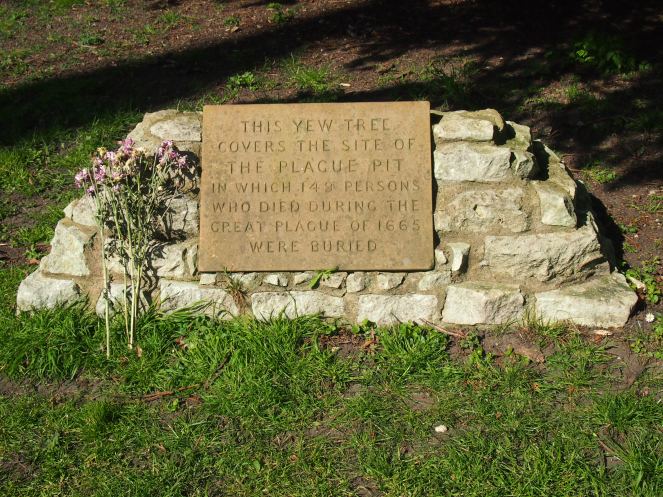
London’s many plague pits have a certain dark allure – they’re mysterious because so many of them lie unmarked, hidden and forgotten under the city’s streets, buildings and parks.  We’ve seen pictures of archaeologists excavating long-lost mass graves uncovered on building sites, with huge jumbles of bones emerging from the soil and centuries-old eye sockets peering out at us.  We’ve heard dark tales of homes built over old plague pits, haunted by restless spirits.  But upstream of the old city, in a quiet suburb by the Thames, a plague pit lies in plain sight – marked by a yew tree and a little memorial.  This is the plague pit at All Saints church, Isleworth, where local plague victims were laid to rest in a mass grave in 1665.
OLYMPUS DIGITAL CAMERA

Continue reading “A plague pit by the Thames: All Saints, Isleworth”
12th Century · 17th Century · Skipton

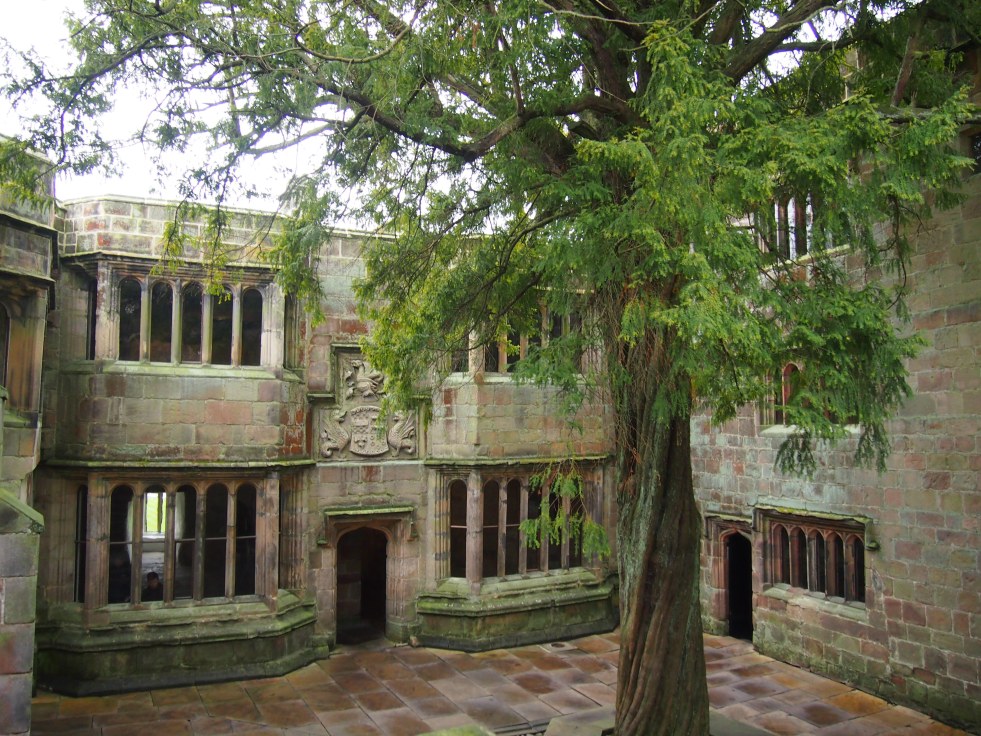
The hidden courtyard of one of England’s best preserved castles

It may not be the first place that springs to mind when one thinks of England’s great castles, but in the North Yorkshire town of Skipton a fine medieval castle dominates the skyline.  Skipton Castle, the earliest parts of which date from the Norman period, is one of the best preserved castles still standing in England.  Visitors can pass through the impressive drum-towered gatehouse to explore a fascinating building that was home to many figures involved in pivotal events during the medieval period, and that owes much of its appearance today to a formidable lady who lived there in the 17th Century.

OLYMPUS DIGITAL CAMERA

Continue reading “The hidden courtyard of one of England’s best preserved castles”

19th Century · 20th Century · 21st Century · Brixton

Ashby’s Mill: bringing Brixton’s hidden past to life

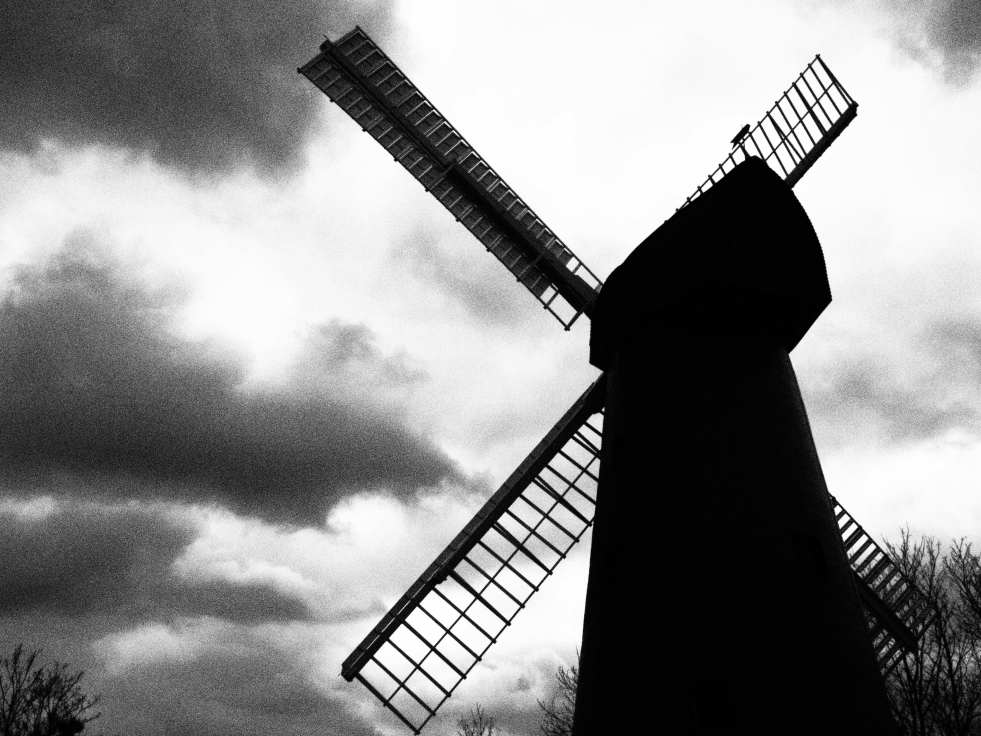
When I mentioned to friends that I’d visited Ashby’s Mill, their universal response was “I had no idea there was a windmill in Brixton!”  And it’s true enough that the south London district of Brixton isn’t somewhere that one immediately associates with windmills and rural life – it’s a built-up area that’s more likely to attract comments about crime or gentrification.  But in a little park by an ordinary housing estate is an extraordinary survivor from the days when Brixton was just an open space a few miles from London.  Today, the Brixton Windmill has been carefully restored and provides a wonderful opportunity for local people to get in touch with their area’s history.

OLYMPUS DIGITAL CAMERA

Continue reading “Ashby’s Mill: bringing Brixton’s hidden past to life”

18th Century · Twickenham

Strawberry Hill: the eccentric house that inspired the Gothic Revival

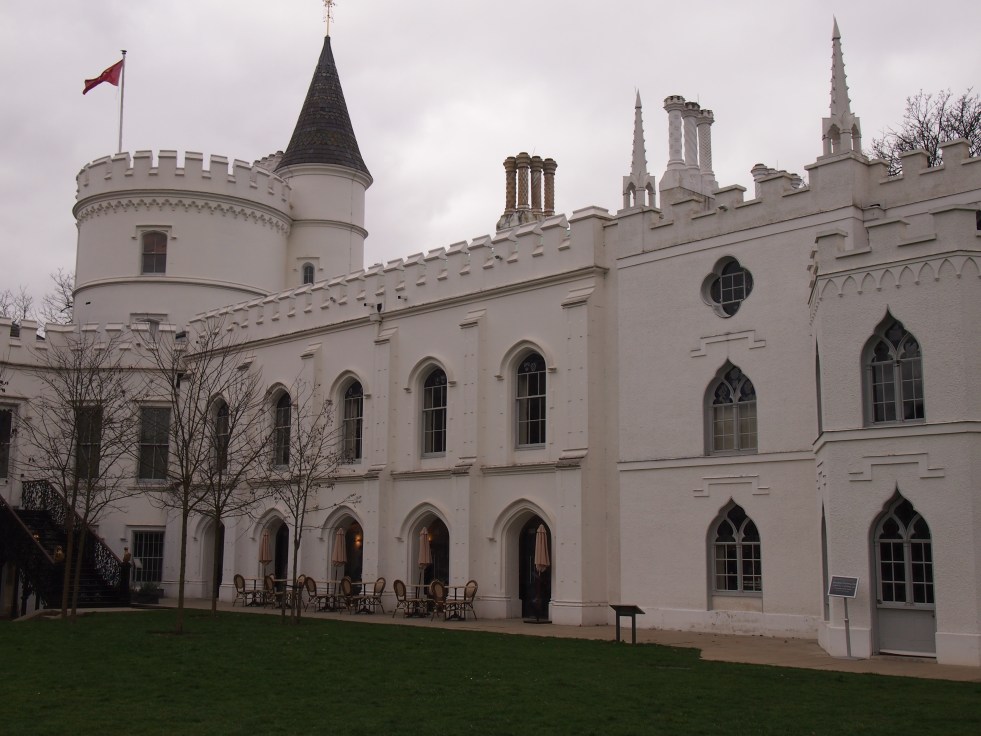
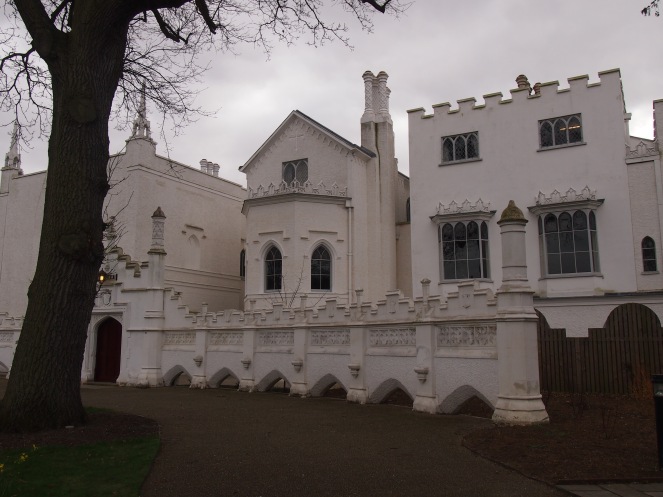
Among the smart suburban homes of Twickenham is a very strange house.  Gleaming white walls, battlements, Gothic pinnacles and a round tower stand out against more restrained neighbours. Strawberry Hill House, home of the eccentric man of letters Horace Walpole during the second half of the 18th Century, is arguably the birthplace not only of the Gothic revival, but also of the Gothic novel.   I visited Strawberry Hill on a very gloomy Saturday afternoon, which didn’t really do the house’s bright white walls justice, but the house had only reopened a few weeks earlier after an extensive restoration and despite the grey weather the house was clean and jewel-bright – and quite possibly one of the oddest homes I’ve ever visited.

OLYMPUS DIGITAL CAMERA

Continue reading “Strawberry Hill: the eccentric house that inspired the Gothic Revival”