20th Century · Clerkenwell

Airships over London – in war and peace

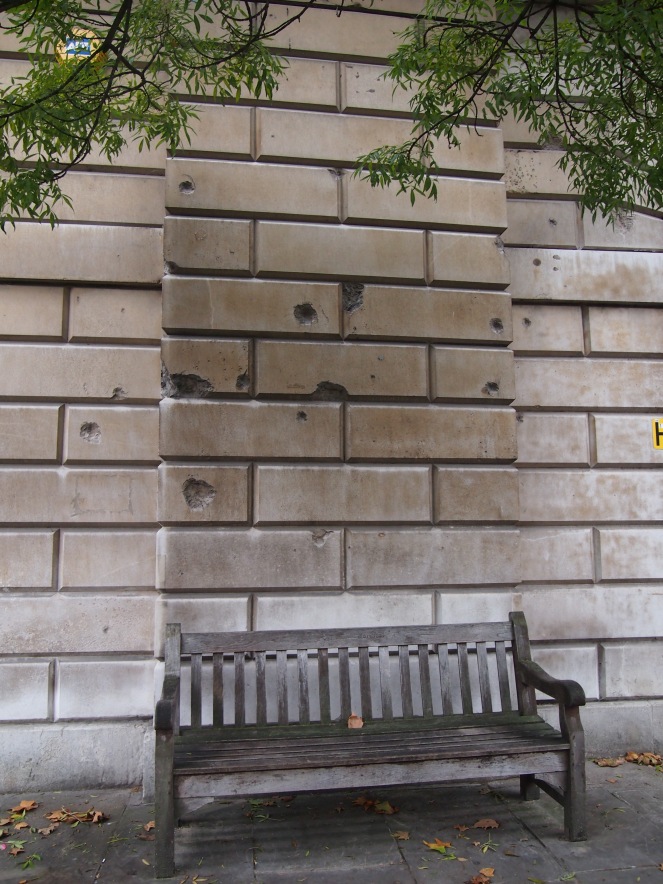
Many people walking past the wall of St Bartholomew’s Hospital on West Smithfield, close to the memorial to William Wallace, stop to look at a series of craters and marks on the wall that look as though they were caused by an explosion of some sort.  These scars are from a devastating V2 rocket attack on the area during the Second World War, but this wasn’t the first aerial attack to bring death and destruction to this part of London.  Bartholomew Close, not far from the scarred walls, was hit during one of the very first air raids on London, a terrifying Zeppelin raid in 1915.
OLYMPUS DIGITAL CAMERA

Continue reading “Airships over London – in war and peace”

19th Century · 20th Century · 21st Century · Brixton

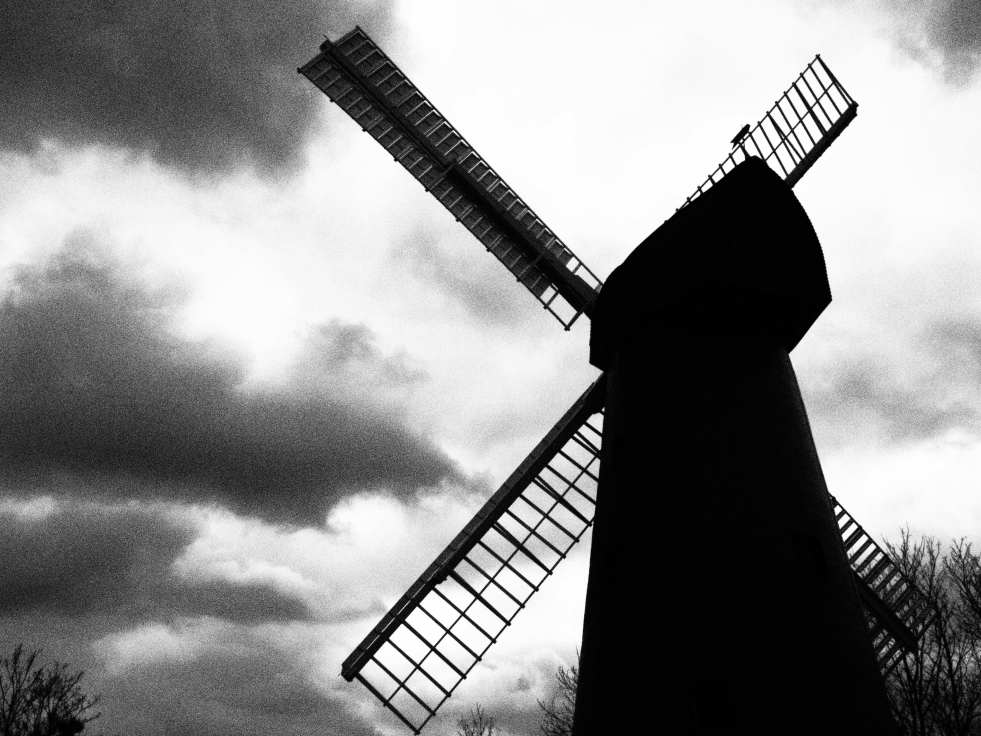
Ashby’s Mill: bringing Brixton’s hidden past to life

When I mentioned to friends that I’d visited Ashby’s Mill, their universal response was “I had no idea there was a windmill in Brixton!”  And it’s true enough that the south London district of Brixton isn’t somewhere that one immediately associates with windmills and rural life – it’s a built-up area that’s more likely to attract comments about crime or gentrification.  But in a little park by an ordinary housing estate is an extraordinary survivor from the days when Brixton was just an open space a few miles from London.  Today, the Brixton Windmill has been carefully restored and provides a wonderful opportunity for local people to get in touch with their area’s history.

OLYMPUS DIGITAL CAMERA

Continue reading “Ashby’s Mill: bringing Brixton’s hidden past to life”

14th Century · 16th Century · 20th Century · City of London

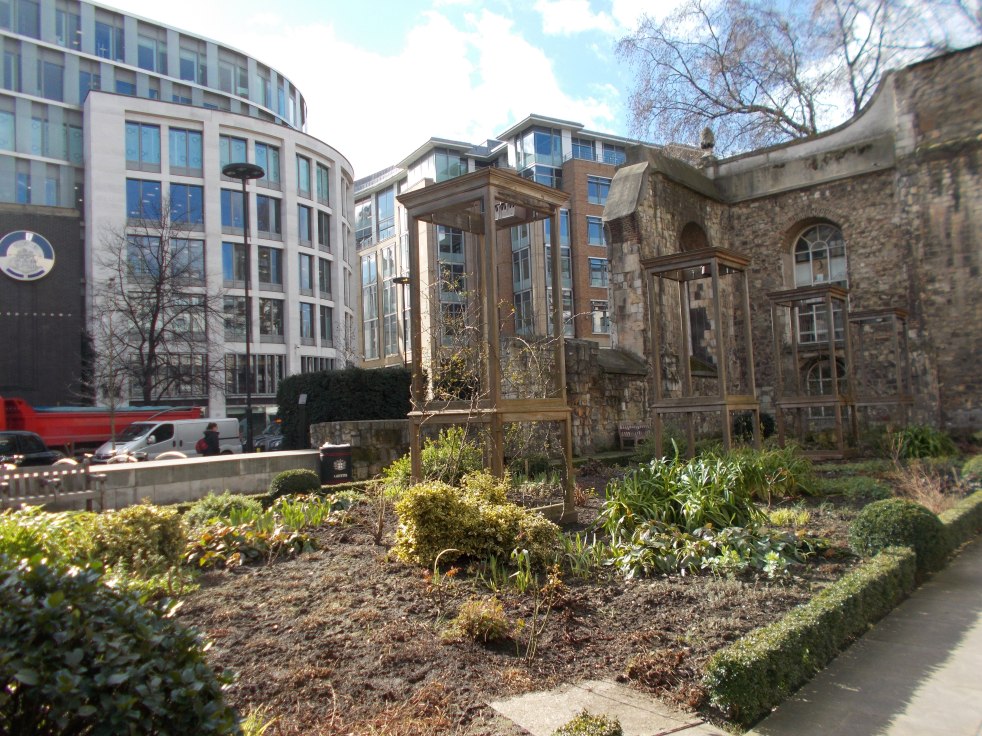
The ruins of Christ Church Greyfriars and the grave of a “she-wolf”

I remember the first time I saw Christ Church Greyfriars – I was on my way to a job interview near the Old Bailey, and as I was walking up Newgate Street from the tube station by St Paul’s I saw the ruins of a church.  Intrigued, I went over to the ruin to read the sign explaining what the site was.  I’ve always been fascinated by ruins – not just the reasons why a building became a ruin, but also why the ruin itself was preserved.  When one considers how valuable every square foot of space is in the City of London, it’s quite something to come across a ruin that’s stood there for over seventy years.

DSCN0151

Continue reading “The ruins of Christ Church Greyfriars and the grave of a “she-wolf””

12th Century · 19th Century · 20th Century · City of London

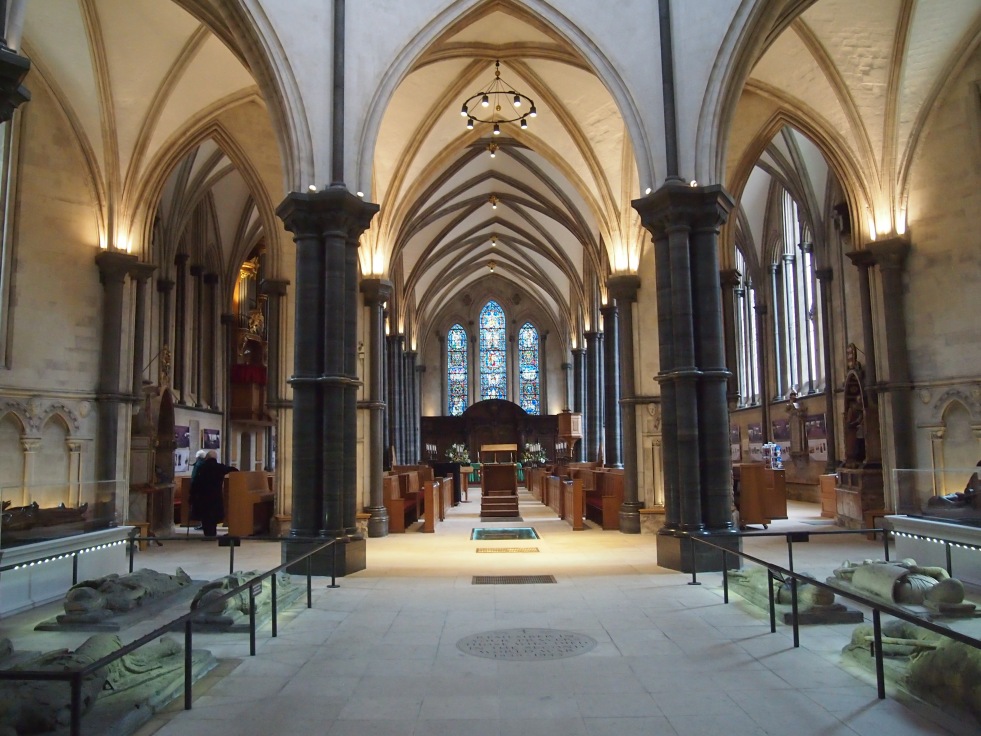
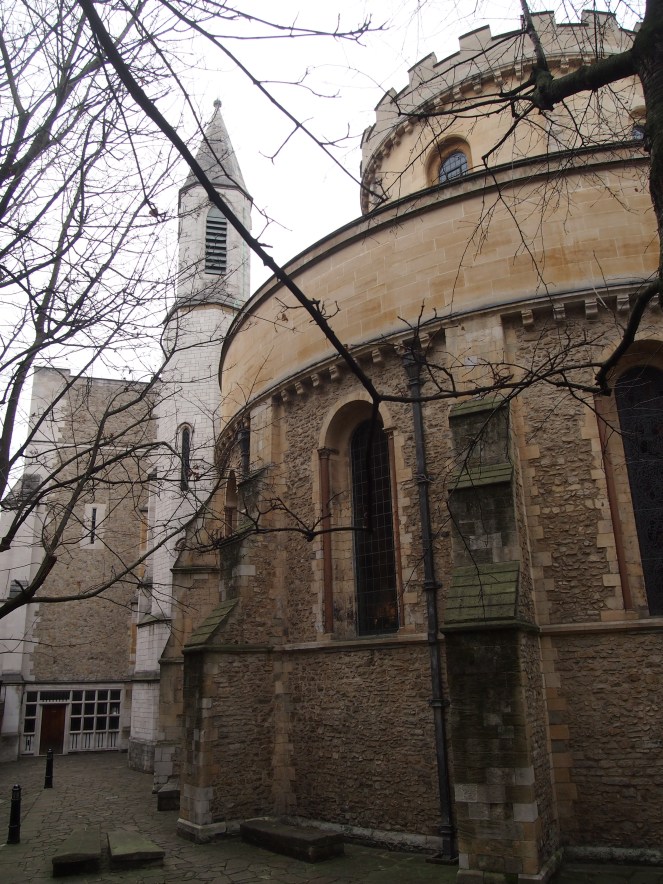
Temple Church: the hidden church founded by the Knights Templar

The term “hidden gem” gets bandied around a lot in relation to all sorts of places in London – bars and restaurants, museums, galleries and historic buildings.  It’s a bit of an overworn phrase, but the subject of today’s post definitely fits the criteria for a hidden gem: small and off the beaten track, pretty and perfectly formed.

Through a little gateway on Fleet Street lies the Temple, the inner sanctum of Britain’s legal profession.  It’s a curious name – one that always intrigued me when I was younger, going through Temple Station whilst on the District Line and wondering if there actually was a temple there.  There is no temple, but amid the chambers of barristers is a little old church that has a history going all the way back to the Knights Templar.

OLYMPUS DIGITAL CAMERA

Continue reading “Temple Church: the hidden church founded by the Knights Templar”

20th Century · East Sheen

East Sheen Cemetery and the “Angel of Death”

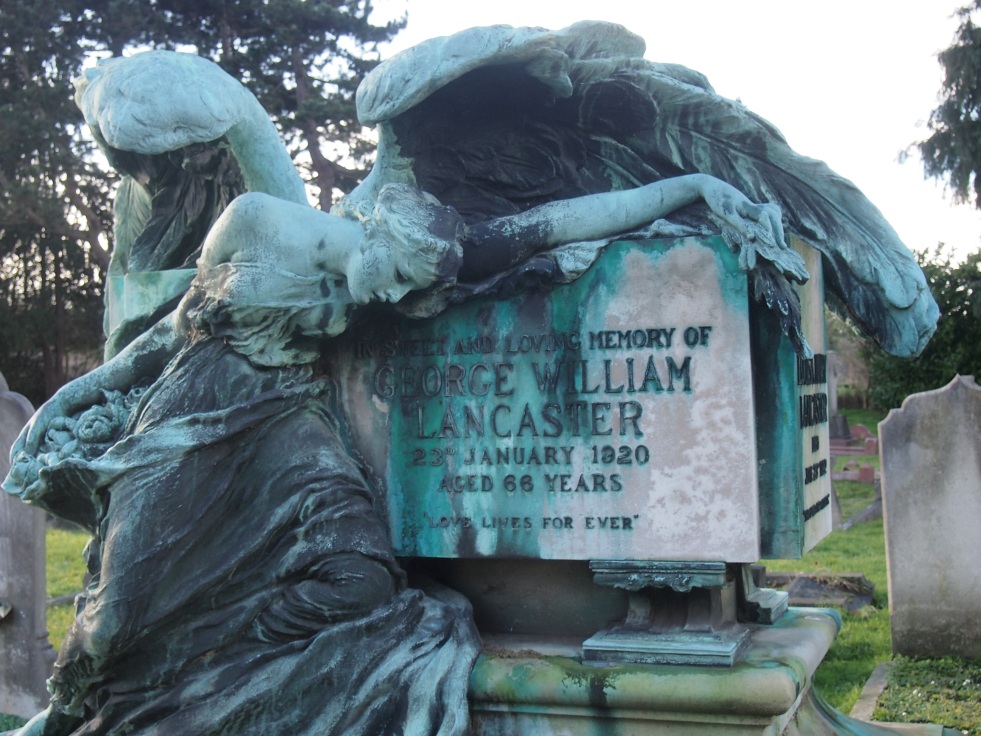
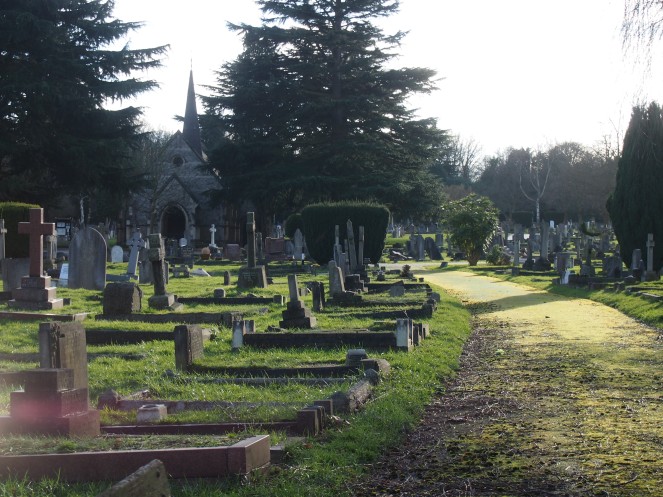
Opened in the early 1900s in a well-heeled area on the edge of Richmond Park, East Sheen Cemetery seems at first to be an entirely typical 20th Century burial ground, its paths lined by stone and marble monuments, sheltered by pine trees.  Sadly, it’s suffered from vandalism over the years and a number of crosses and headstones have fallen or been pushed over.

OLYMPUS DIGITAL CAMERA

However, there is a dramatic surprise waiting for visitors to this otherwise unassuming cemetery.

Continue reading “East Sheen Cemetery and the “Angel of Death””

19th Century · 20th Century · Stoke Newington

Autumn comes to Abney Park

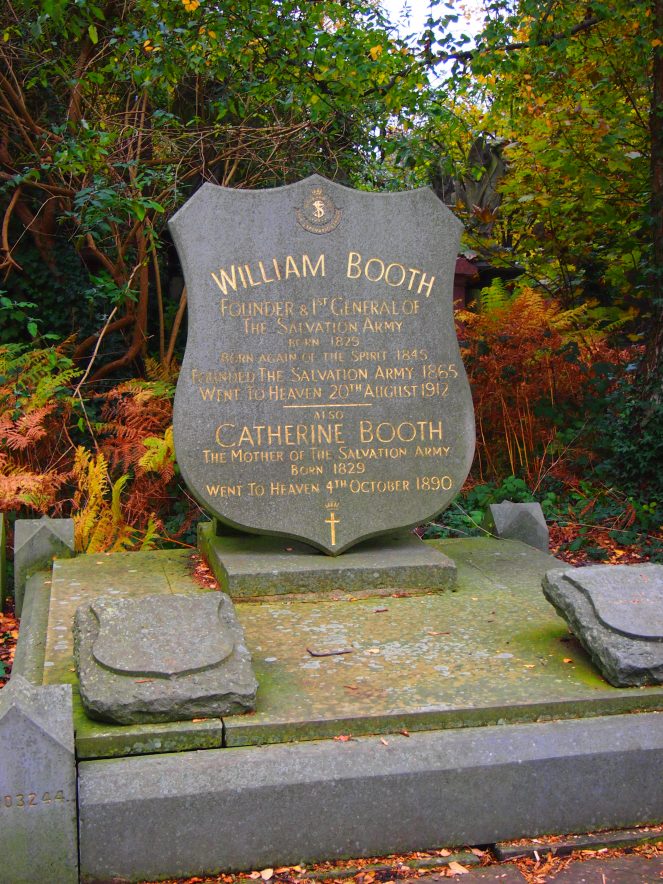
What better thing to do on a chilly Sunday afternoon than explore a beautiful old cemetery?  Abney Park in Stoke Newington is one of London’s gems – as well as being one of the city’s “Magnificent Seven” Victorian cemeteries, it’s a peaceful space that members of the local community have worked hard to make into a welcoming place for visitors.  It was founded in 1840 as the first completely non-denominational burial ground in England and is the final resting place of many well-known nonconformists.  Bunhill Fields, which for nearly two centuries had been the main site for nonconformist burials in London, closed in 1854, and Abney Park took over as the most prominent burial place of nonconformists.  Probably the most famous people to be buried at Abney Park are William and Catherine Booth, founders of the Salvation Army.

OLYMPUS DIGITAL CAMERA

Continue reading “Autumn comes to Abney Park”

19th Century · 20th Century · Reykjavik

“The largest and oldest museum in Reykjavik” – Hólavallagarður cemetery

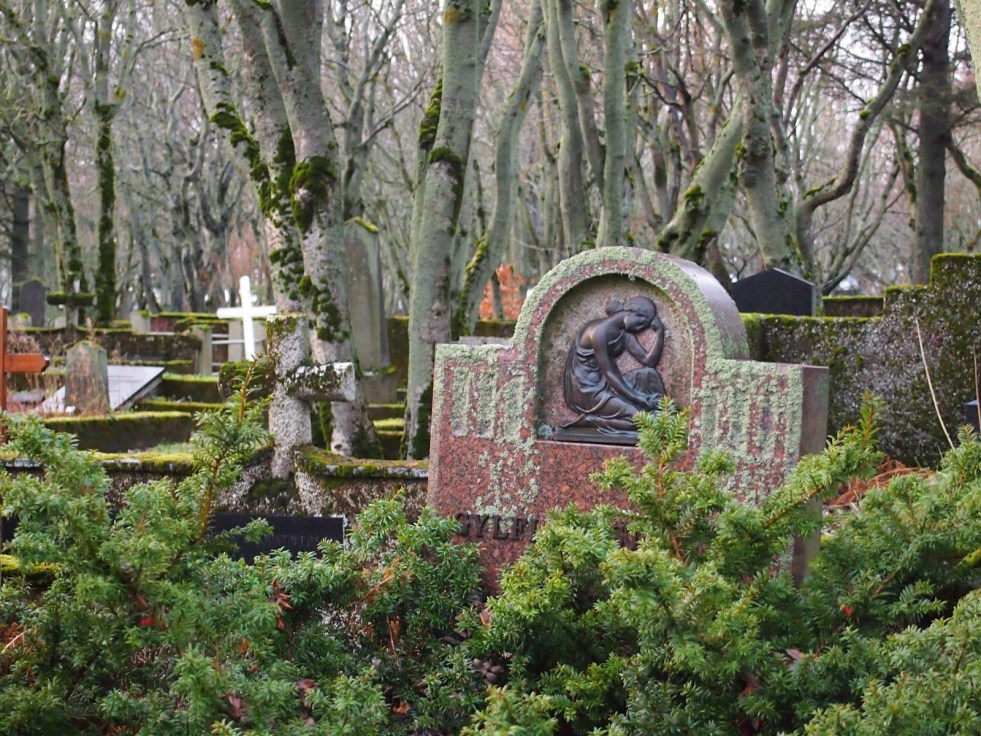
A number of posts I’ve written for this blog so far have focused on graveyards, particularly the grand Victorian graveyards of London.  However, the graveyard featured in this post lies 1,000 miles from London, on a quiet hillside in Reykjavik, the capital of Iceland.

PB141064

Unlike Britain, Iceland has no long history of cities as we would recognise them.  Settled by the Vikings in the late 9th Century, Iceland has always had a small population (today it is around 300,000) and settlements tended to be small.  Reykjavik has long been settled – today, one can visit the remains of a 10th Century longhouse discovered during demolition works in the 20th Century – but it only began life as a town in the mid-18th Century.  The oldest buildings in the city are on Aðalstræti (“main street”), close to where the Viking longhouse is situated.

Continue reading ““The largest and oldest museum in Reykjavik” – Hólavallagarður cemetery”

16th Century · 20th Century · Clerkenwell

Behind the high walls of London’s Charterhouse

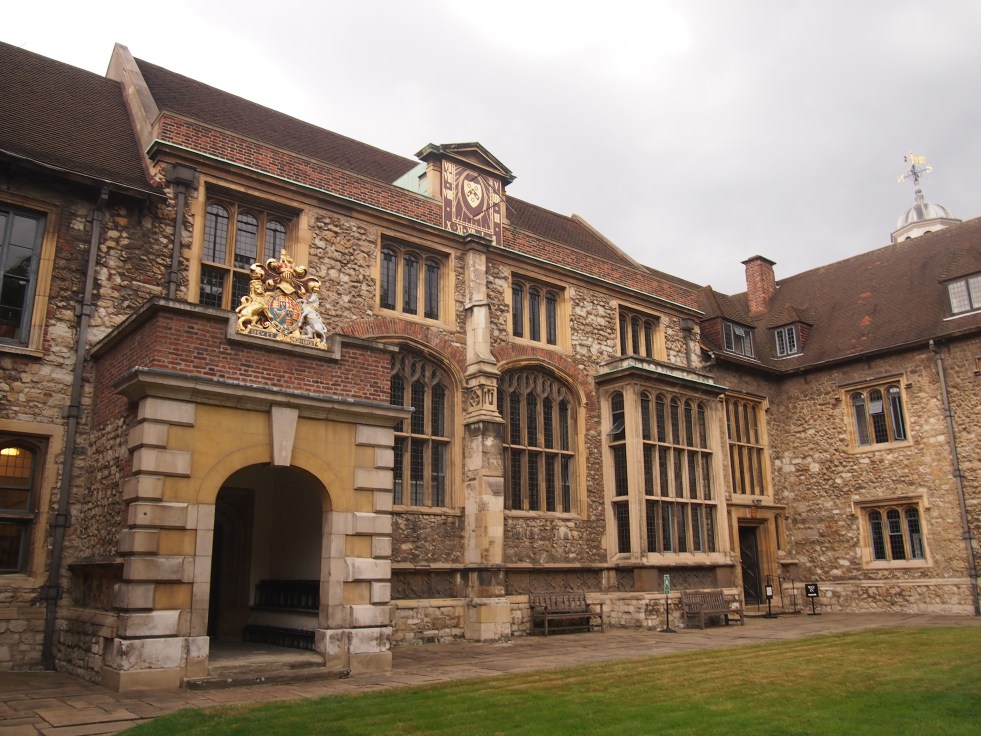
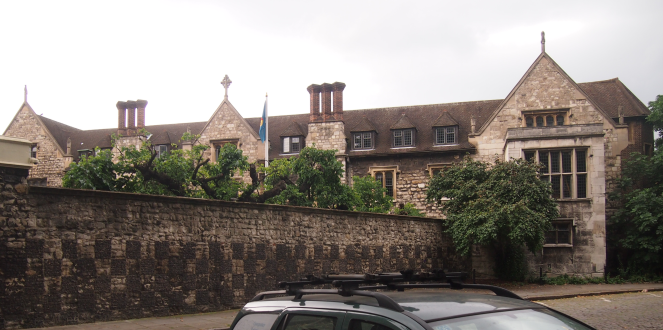
Hidden behind high walls, the Charterhouse in Clerkenwell exudes an air of mystery – at least to those who, like me, spend their lunchbreaks wandering around the interesting old places close to their place of work.  The Charterhouse is only open to the public for pre-booked guided tours, but a few weeks ago I was fortunate enough to be able to visit the Charterhouse to attend a wonderful lecture about the history of the site by the Charterhouse’s head archivist, Dr Stephen Porter.

P7207517crop
The view from Charterhouse Square

Continue reading “Behind the high walls of London’s Charterhouse”

20th Century · Barnes

Marc Bolan’s rock shrine – a place of modern-day pilgrimage

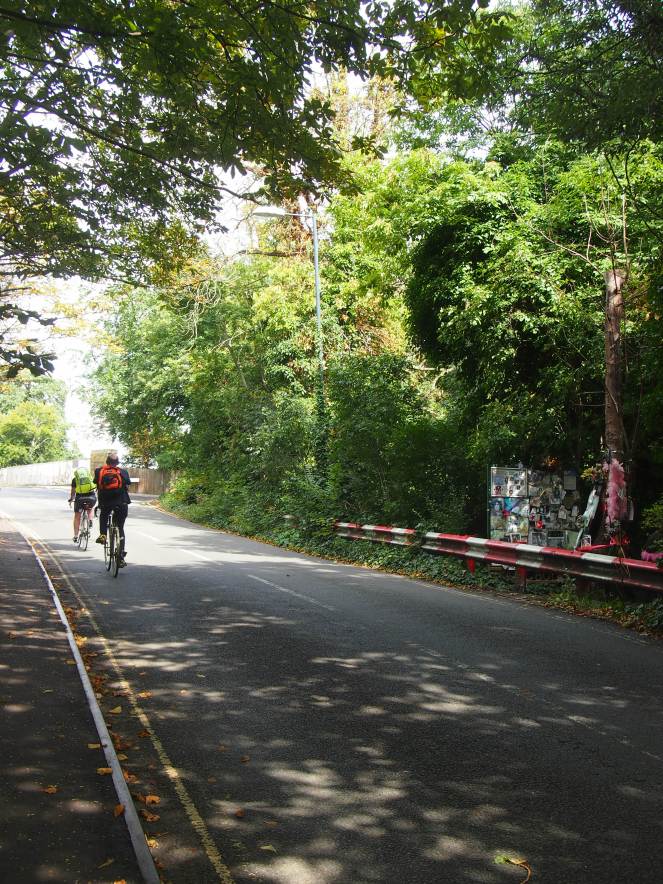
Scenes of tragic road traffic accidents are very often turned into temporary shrines – loved ones of the unfortunate individual killed leave flowers and other tributes at the site.  Sometimes, these little shrines are maintained for years – in my hometown of Preston I still often go past a regularly replenished floral tribute at a set of traffic lights where a lady was killed in an accident in 2004.  One such shrine in south west London has become a permanent fixture and a place of pilgrimage for fans of man it commemorates, the musician Marc Bolan, most famously the frontman of glam rock band T. Rex, who was killed in a car crash on Queen’s Ride in Barnes in 1977.

OLYMPUS DIGITAL CAMERA

Continue reading “Marc Bolan’s rock shrine – a place of modern-day pilgrimage”

20th Century · Stoke Newington

The menagerist’s memorial: the story behind Abney Park’s marble lion

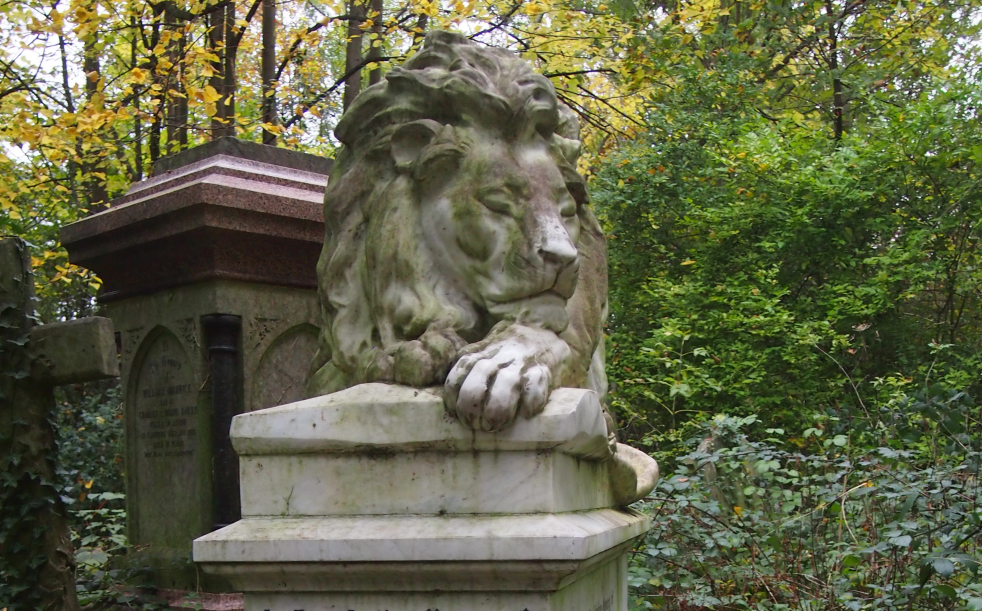
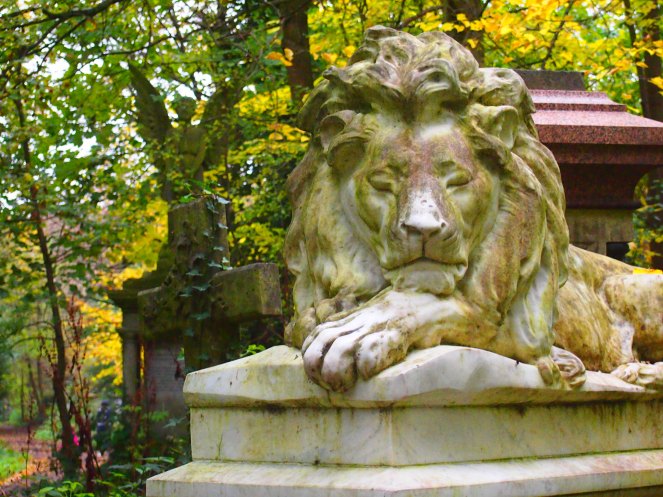
Among the trees and memorials of Abney Park cemetery in Stoke Newington, a huge white marble lion sleeps peacefully.  This beautiful tomb marks the final resting place of one of the great showmen from the turn of the 20th century, “The Animal King” Frank C Bostock.  By the time of his death in 1912, Frank’s wildly popular menageries had toured all over Europe and America.

OLYMPUS DIGITAL CAMERA

Continue reading “The menagerist’s memorial: the story behind Abney Park’s marble lion”