15th Century · Lincoln

A most macabre tomb in Lincoln Cathedral

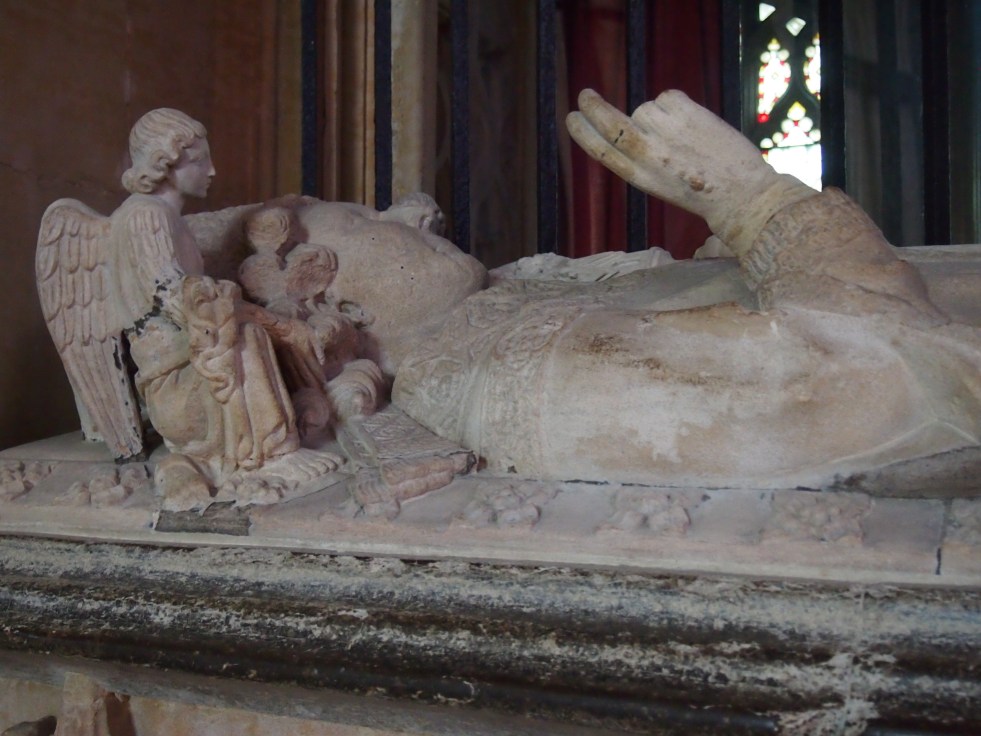
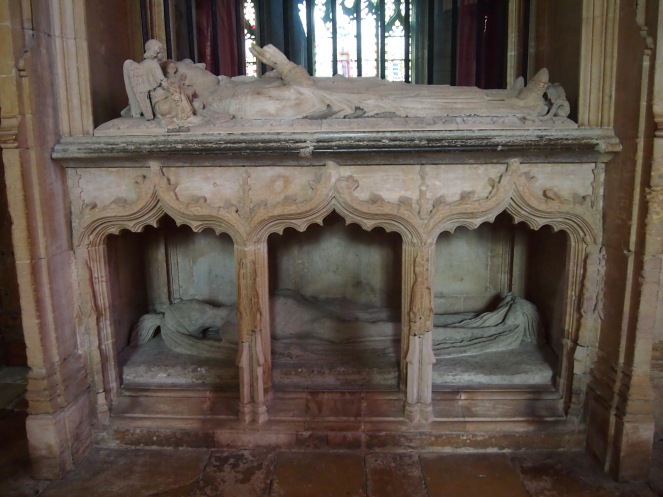
At first, it looks like just another effigy.  A man in bishop’s robes carved in stone lies in peaceful repose, one hand raised in blessing, his head guarded by an angel.  But beneath the effigy is another figure – shockingly, this is the figure of a rotting corpse, wrapped only in a shroud.  This is the cadaver tomb of Bishop Richard Fleming at Lincoln Cathedral, and it is the oldest one still surviving in England.

OLYMPUS DIGITAL CAMERA

Continue reading “A most macabre tomb in Lincoln Cathedral”

13th Century · Pennygown

Pennygown: the ruined chapel and medieval effigies of a Hebridean burial ground

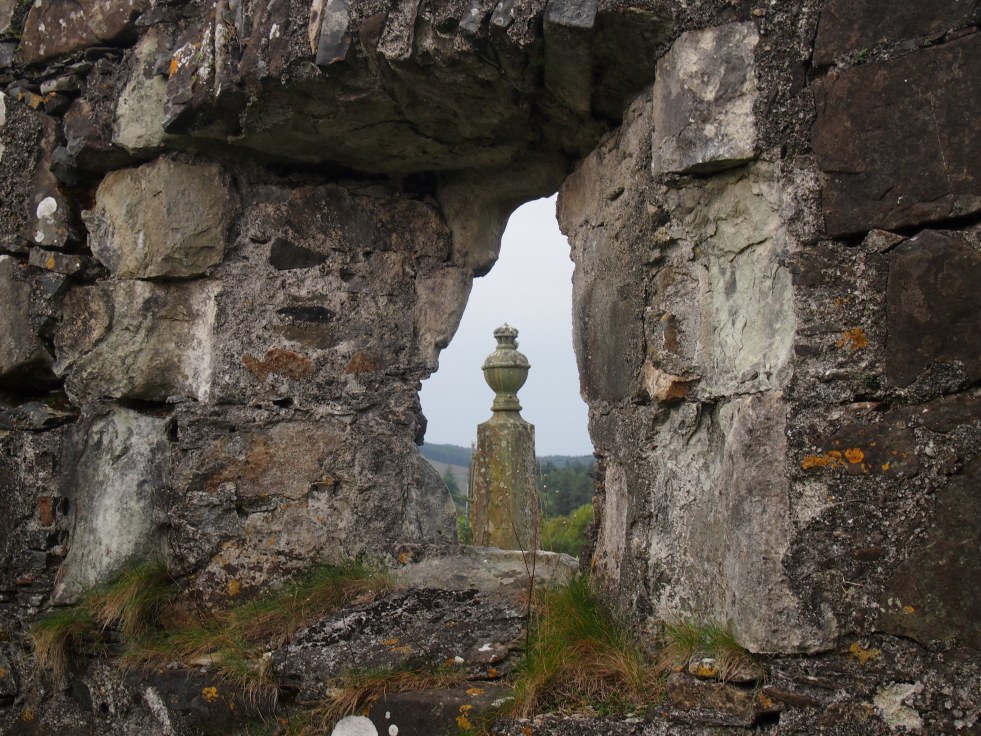
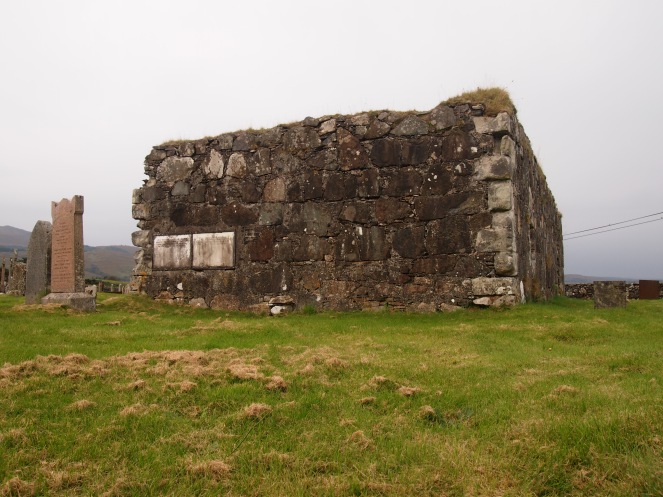
I first came across the ruined chapel whilst on a wildlife trek – we had stopped near the little town of Salen to watch harbour porpoises in the Sound of Mull.  Intrigued as I was by the ruined chapel and its surrounding burial ground, there wasn’t time to stop and explore and I had to return a few days later to get a good look around the site.  My stay on the beautiful Scottish island of Mull had been blessed with warm sunshine, but on the final day of my trip – when I finally had time to visit the chapel and the burial ground surrounding it – the clouds had arrived.

OLYMPUS DIGITAL CAMERA

This is Pennygown burial ground, and it is still used by the people of the Mull today.

Continue reading “Pennygown: the ruined chapel and medieval effigies of a Hebridean burial ground”

19th Century · 20th Century · Reykjavik

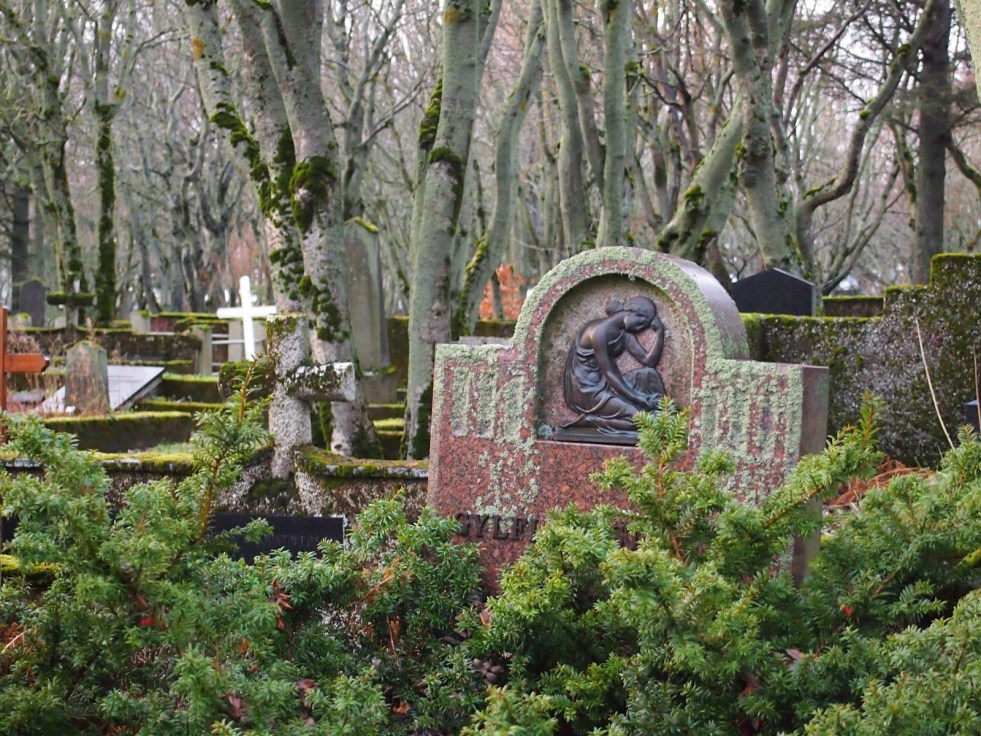
“The largest and oldest museum in Reykjavik” – Hólavallagarður cemetery

A number of posts I’ve written for this blog so far have focused on graveyards, particularly the grand Victorian graveyards of London.  However, the graveyard featured in this post lies 1,000 miles from London, on a quiet hillside in Reykjavik, the capital of Iceland.

PB141064

Unlike Britain, Iceland has no long history of cities as we would recognise them.  Settled by the Vikings in the late 9th Century, Iceland has always had a small population (today it is around 300,000) and settlements tended to be small.  Reykjavik has long been settled – today, one can visit the remains of a 10th Century longhouse discovered during demolition works in the 20th Century – but it only began life as a town in the mid-18th Century.  The oldest buildings in the city are on Aðalstræti (“main street”), close to where the Viking longhouse is situated.

Continue reading ““The largest and oldest museum in Reykjavik” – Hólavallagarður cemetery”

18th Century · 7th Century · Isle of Iona

Rèilig Odhrain, the ancient cemetery on the edge of the world

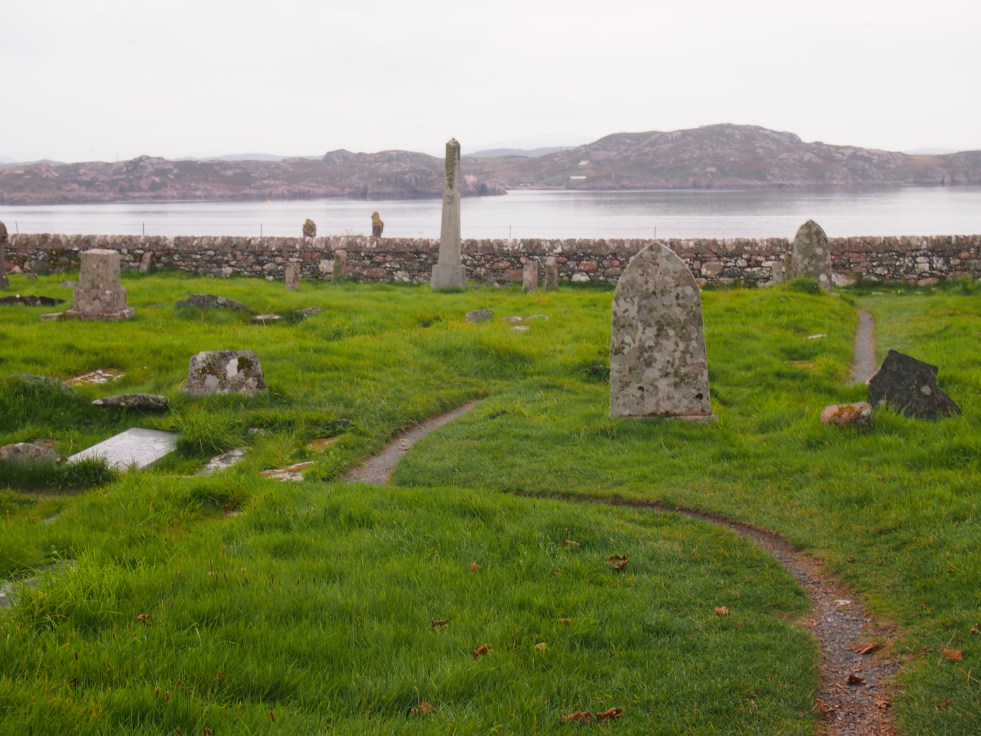
Today, the tiny Scottish island of Iona is not the easiest of places to get to.  It’s a long drive across the Isle of Mull to Fionnphort from the main ferry link with the Scottish mainland at Craignure.  However, in the past Iona was the centre of Christianity in the region, as well as being a site of political significance.  Travelling by boat, it was easier to reach than its geographical isolation suggests.

I visited the island on a mild September day, after a long drive from the eastern coast of Mull.  The sea was clear and calm and made for a smooth passage on the short ferry trip from Fionnphort; later on a pod of dolphins could be seen in the Sound of Iona.  It is a peaceful place, with beaches of white sand and outcrops of pink granite.  Since the 7th Century it has been a place of pilgrimage, and it continues to welcome thousands of visitors every year.

OLYMPUS DIGITAL CAMERA

Continue reading “Rèilig Odhrain, the ancient cemetery on the edge of the world”

17th Century · 18th Century · Wandsworth

Mount Nod: the almost forgotten resting place of Wandsworth’s Huguenots

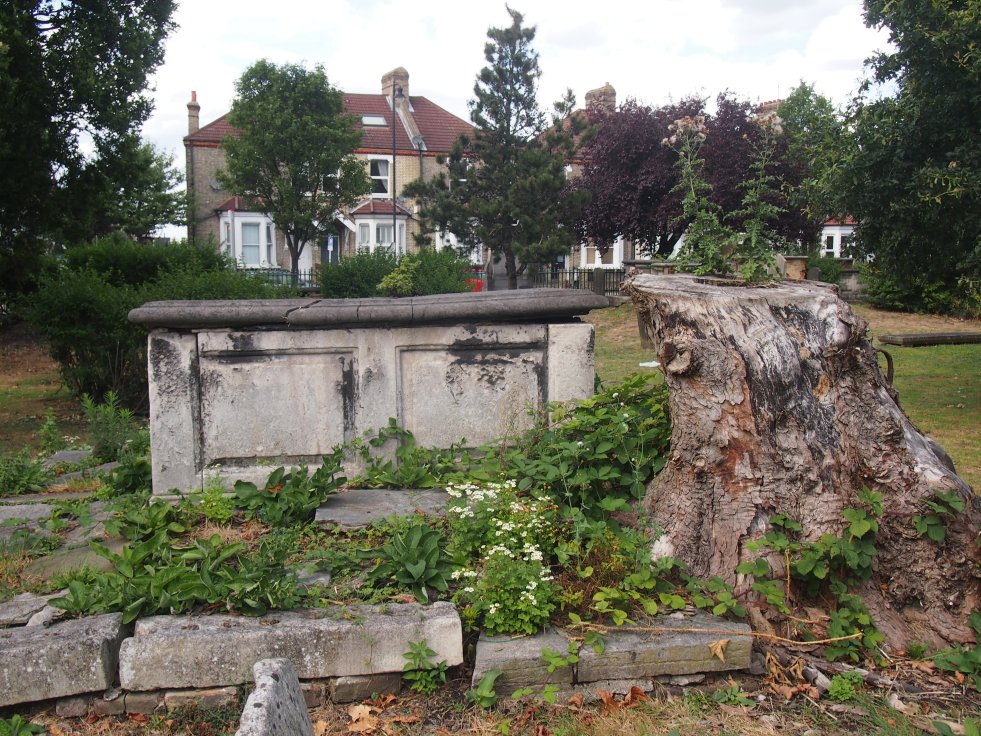
Marooned on an island between two busy stretches of road in south west London is a little known burial ground that tells a small part of the long and complex story of London’s immigrants.  The name of one of the adjoining streets gives away this connection: Huguenot Place.

OLYMPUS DIGITAL CAMERA

Continue reading “Mount Nod: the almost forgotten resting place of Wandsworth’s Huguenots”

19th Century · Barnes

Barnes Old Cemetery: an abandoned graveyard being reclaimed by nature

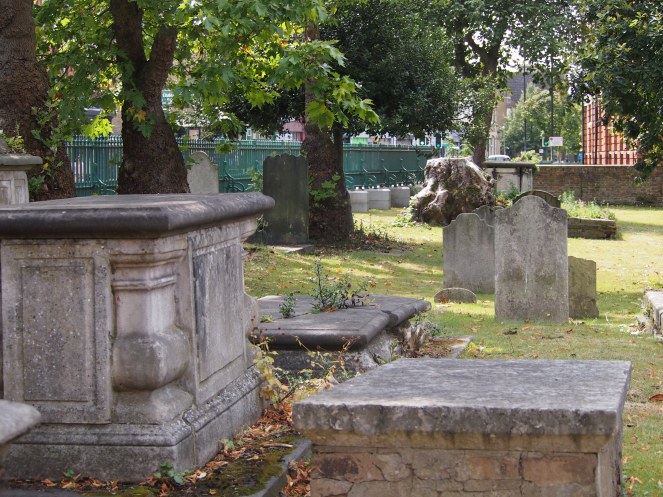
Barnes Old Cemetery is elusive.  There’s not much information about it to be found online, and it hides amongst the trees close to the tennis courts on Rocks Lane – most people using the courts or passing in the car or on the bus probably have no idea that it’s there.

OLYMPUS DIGITAL CAMERA

Continue reading “Barnes Old Cemetery: an abandoned graveyard being reclaimed by nature”

19th Century · Nunhead

A hidden gem in south east London: Nunhead Cemetery

Nunhead is arguably the least well known of London’s “Magnificent Seven” Victorian cemeteries.  Like many of South East London’s interesting old sites, it often gets overlooked due to its lack of a nearby Tube station, although it’s actually a short walk from Nunhead Rail station, which is three stops from London Victoria.

DSC_0106
The Linden Grove entrance to Nunhead Cemetery.

Continue reading “A hidden gem in south east London: Nunhead Cemetery”

18th Century · Mortlake

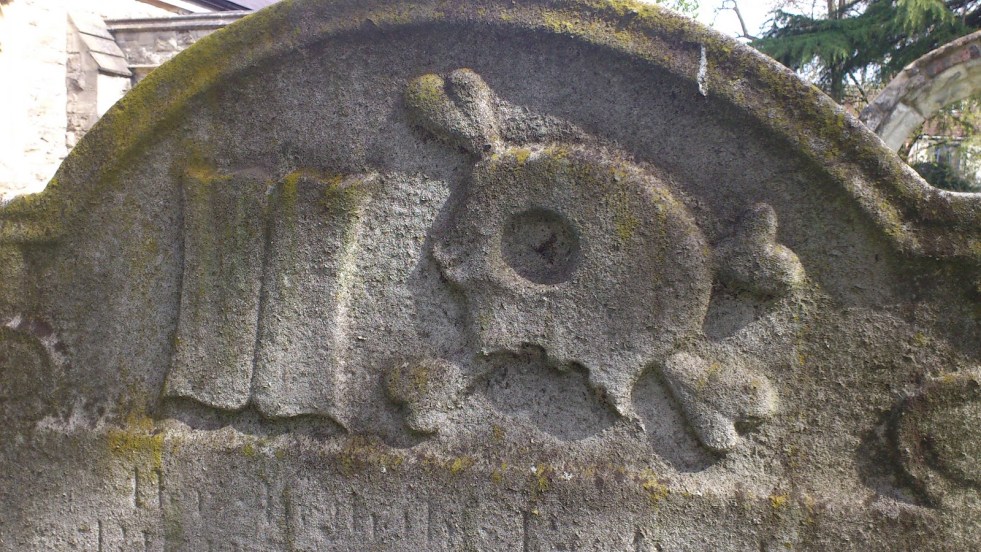
Skulls, astrologers and the sands of time: a Georgian graveyard in South West London

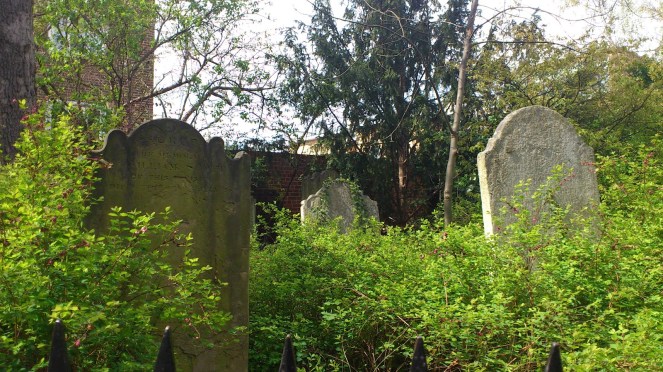
One of the best things about living in London is the great potential for discovering wonderful places completely by accident. In this instance, I was required to go to Mortlake to pick up a parcel from the sorting office that had been too big to fit through my letterbox.  Whilst walking up Mortlake High Street my eye was caught by some worn old gravestones peeping out through bushes and shrubs.

DSC_0774

Continue reading “Skulls, astrologers and the sands of time: a Georgian graveyard in South West London”