19th Century · Bowness-on-Windermere

“Thy touch alone unbounds the chains of slavery” – an unusual grave in the Lake District

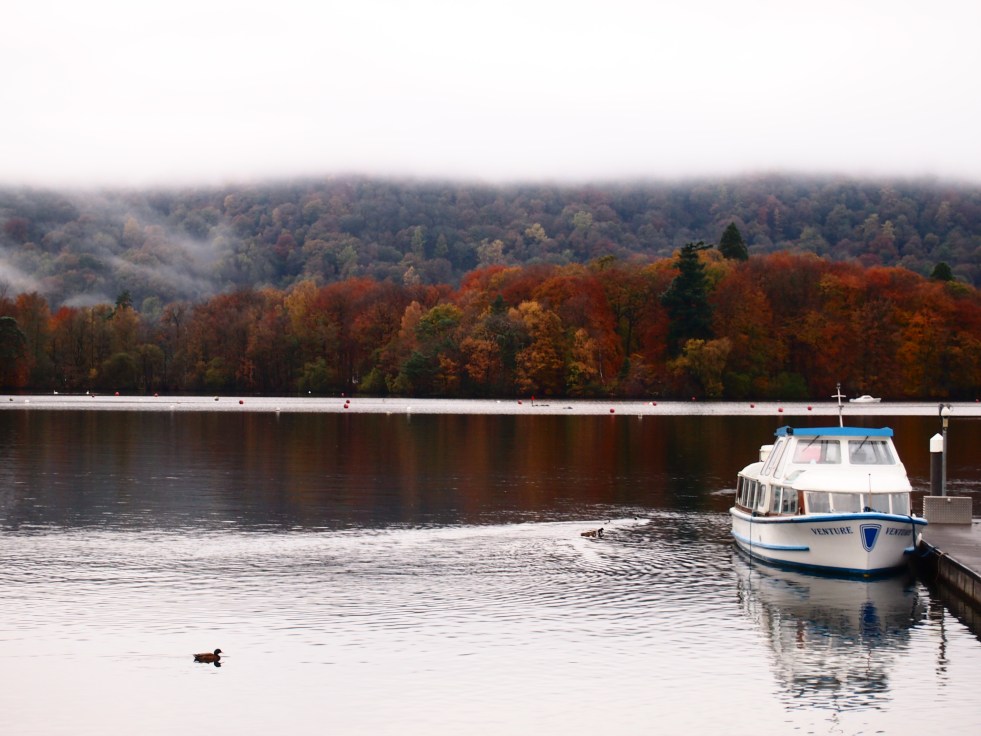
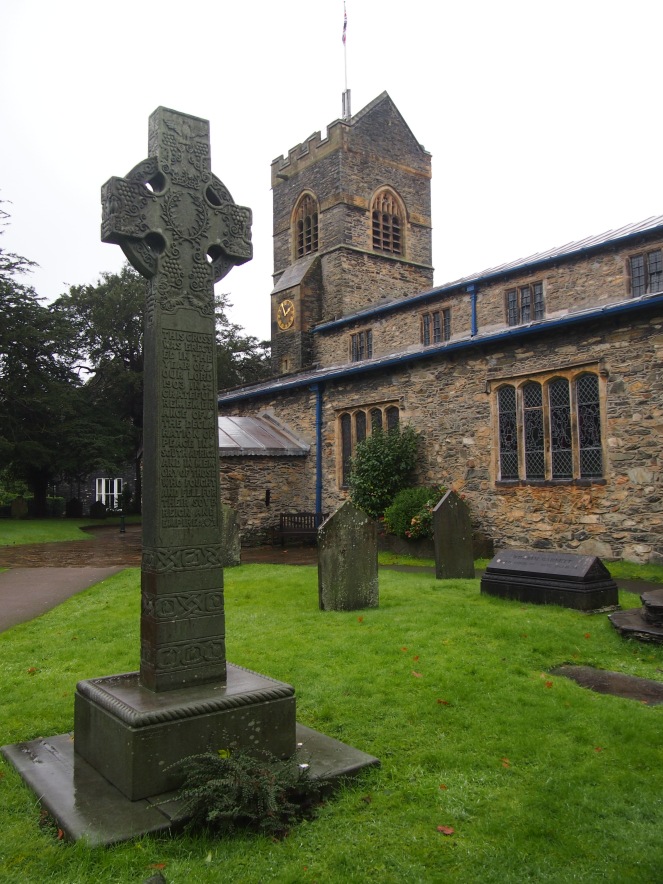
Having a tendency to explore old graveyards and spend time reading the gravestones may seem morbid to some, but over time I’ve come across many amazing and unusual stories that – but for the survival of a tombstone – would otherwise have faded from history. I have often visited the Lake District with my family and, as it’s only an hour’s drive away from the family home in Lancashire, Bowness-on-Windermere has always been a favourite destination of ours. It was on one of these visits that, rather than walking past the church of St Martin on our way down to the waterside, I suggested we stop and look around the churchyard.
OLYMPUS DIGITAL CAMERA

Continue reading ““Thy touch alone unbounds the chains of slavery” – an unusual grave in the Lake District”

19th Century · City of London

The Postman’s Park and the Memorial to Heroic Self-Sacrifice

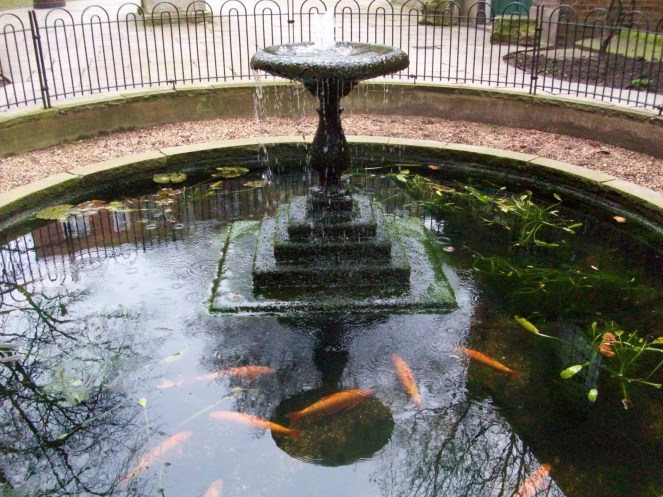
London’s Square Mile is notoriously short of green space.  A crowded maze of winding streets for many centuries, the City of  London was originally bound by the ancient Roman walls and as the city expanded open spaces became further and further away for those living in the dirty and overcrowded centre of town.  Although the Royal Parks of London have a longer history, it was the Victorians who first advocated a wider movement for open spaces in Britain’s industrialising towns and cities.  Much of the reasoning behind the parks movement came from the belief that the widespread disease in urban areas came from dirty air – or ‘miasma’ – and parks were seen as a way to improve the health of those who could not afford gardens or country retreats of their own.

100_1348

Continue reading “The Postman’s Park and the Memorial to Heroic Self-Sacrifice”

20th Century · Stoke Newington

The menagerist’s memorial: the story behind Abney Park’s marble lion

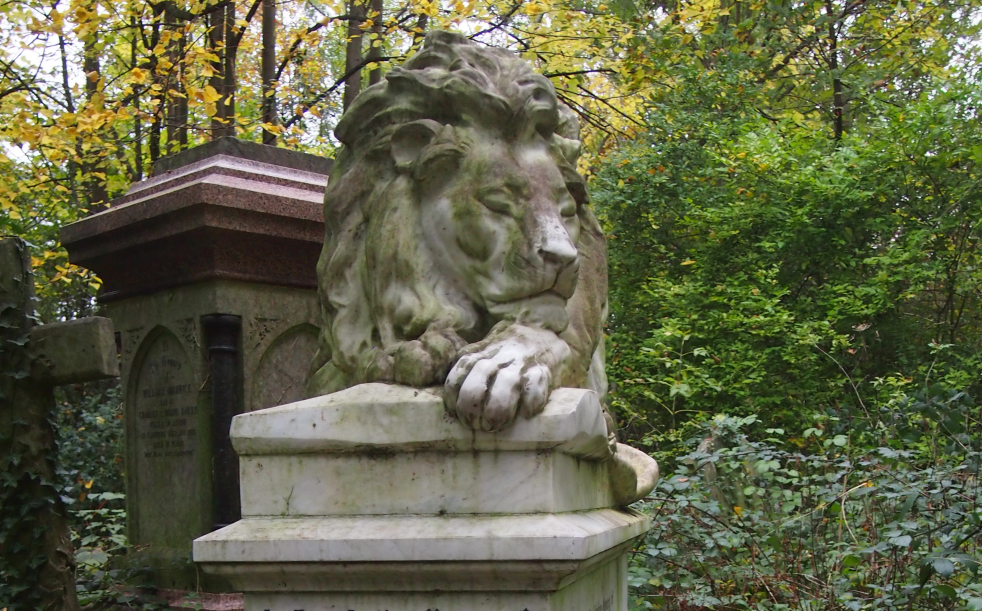
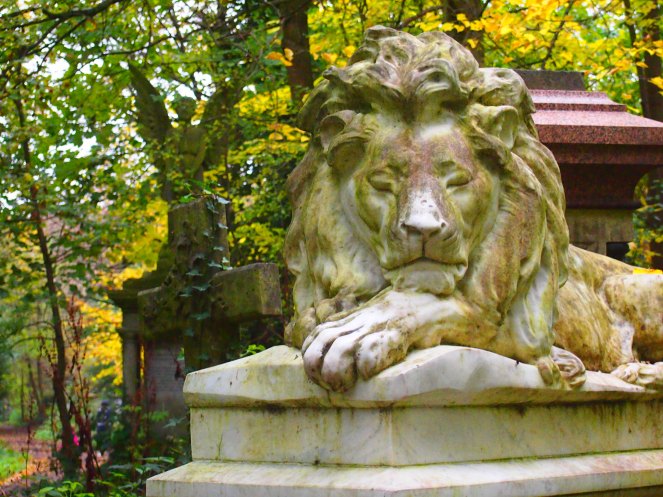
Among the trees and memorials of Abney Park cemetery in Stoke Newington, a huge white marble lion sleeps peacefully.  This beautiful tomb marks the final resting place of one of the great showmen from the turn of the 20th century, “The Animal King” Frank C Bostock.  By the time of his death in 1912, Frank’s wildly popular menageries had toured all over Europe and America.

OLYMPUS DIGITAL CAMERA

Continue reading “The menagerist’s memorial: the story behind Abney Park’s marble lion”

20th Century · Chelsea

Commemorating the heroic exploits of a WWI pilot

OLYMPUS DIGITAL CAMERA

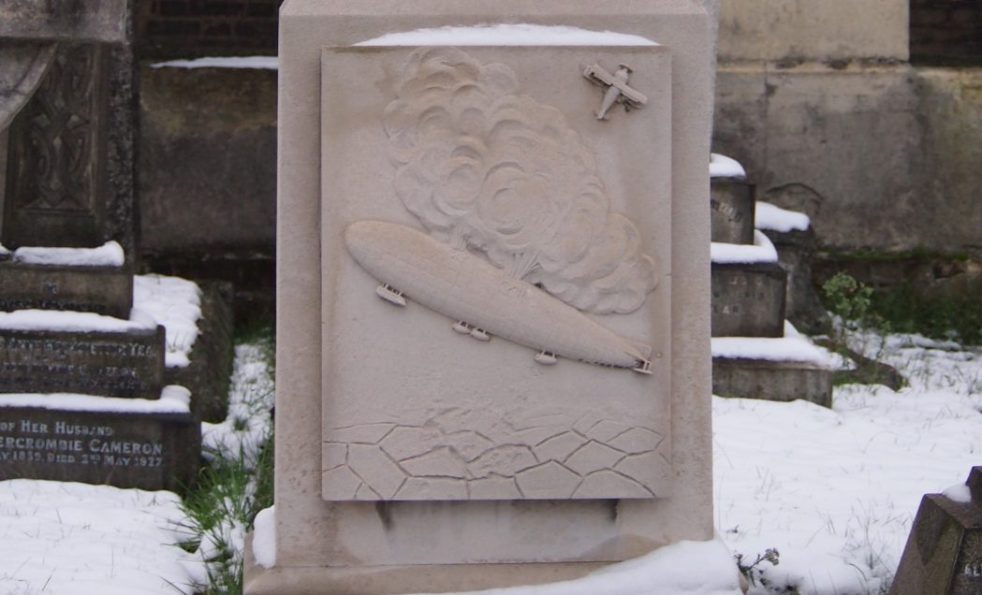
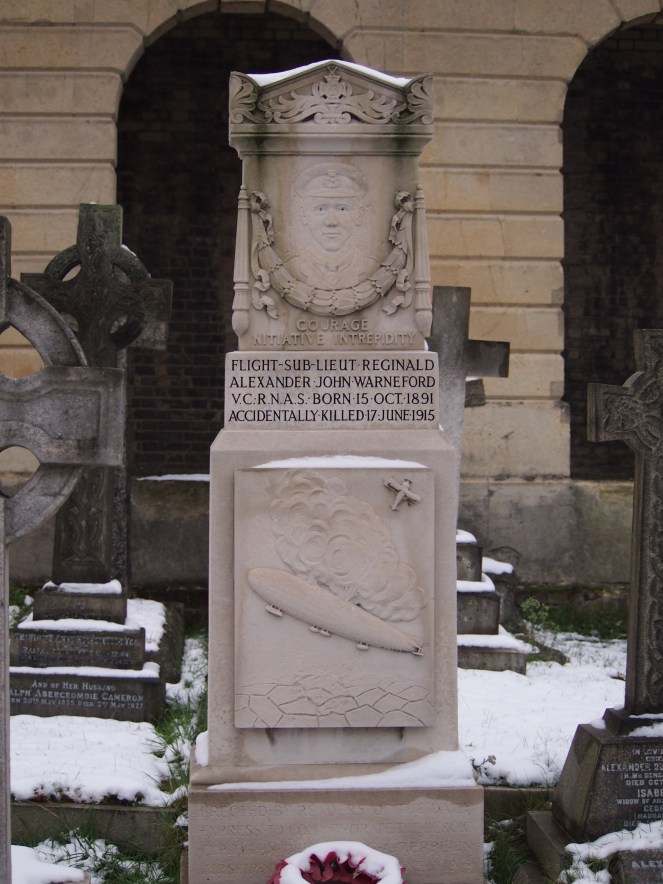
Brompton Cemetery is particularly rich in grand memorials.  In the centre of the cemetery, amongst the dark Victorian crosses and angels, stands a paler, more modern memorial.  The face of a young man stares out from an impressive, well cared for headstone.  Beneath the inscription is a dramatic image of a Zeppelin – one of the monstrous German airships of the First World War – falling to the ground in flames while a comparatively tiny aircraft flies to safety.  The headstone, which occupies a prominent spot in the cemetery, commemorates the bravery of one of the British Armed Forces’ first heroes of aviation – Flight Sub-Lieutenant Reginald Alexander John Warneford. Continue reading “Commemorating the heroic exploits of a WWI pilot”

19th Century · Camden

Exploring the ancient church and burial ground of Old St Pancras

In the shadows of the international terminal at St Pancras Station, close enough for platform announcements to be heard, is a tiny old church which has a history that supposedly stretches back almost as far as St Pancras himself.  St Pancras was a Roman martyr who was beheaded in about 304AD for his Christian beliefs, and the church claims that the site has been a place of Christian worship since the 4th Century.  Until the 19th Century, Old St Pancras was a rural church, close to the River Fleet, but today it is nestled in amongst the railway infrastructure of St Pancras and the houses and flats of Somers Town. When approaching the church, the first thing that struck me was how high the ground level of the churchyard is compared to its surroundings.

OLYMPUS DIGITAL CAMERA

Continue reading “Exploring the ancient church and burial ground of Old St Pancras”

19th Century · Hammersmith

Fallen comrades: Caroline of Brunswick’s life and death in Hammersmith

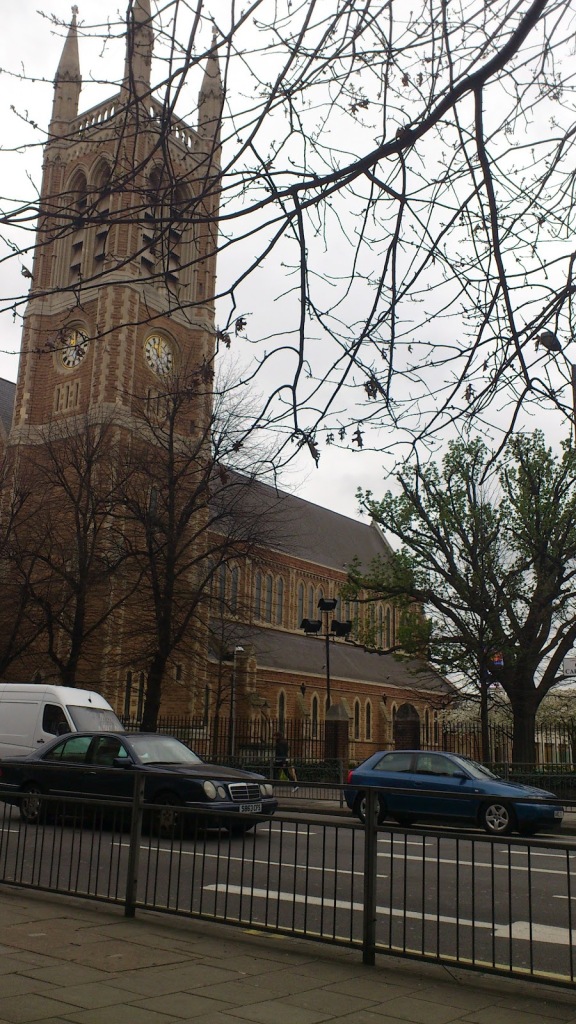
Hammersmith, with its riverside factories and wharves, was badly bombed during the Second World War – but that’s a story for another blog post.  Amongst the postwar concrete of the immediate area around Hammersmith tube station, a few older buildings and facades remain: a Georgian building that now houses a Chinese restaurant, rows of 19th Century villas leading down towards the river, and the splendid Gothic church of St Paul, built from a distinctive pinkish stone.

St Paul's Church, Hammersmith
St Paul’s Church, Hammersmith

Continue reading “Fallen comrades: Caroline of Brunswick’s life and death in Hammersmith”

17th Century · 18th Century · City of London

The Hill of Bones: the story of Bunhill Fields

Originally a stretch of open land to the north of the City of London, Bunhill Fields got its name from its use as a burial ground during the Saxon period and a macabre event that took place in the mid-sixteenth century.  Cartloads of bones from the charnel house at St Paul’s Cathedral were transported out of the city and dumped in such large quantities that they formed a hill of bones, with a thin layer of soil covering the mound.  This “Bone Hill” was large enough to accomodate three windmills on top, which were presumably installed to make the most of the elevated ground.

PA305133

Continue reading “The Hill of Bones: the story of Bunhill Fields”