12th Century · 17th Century · Skipton

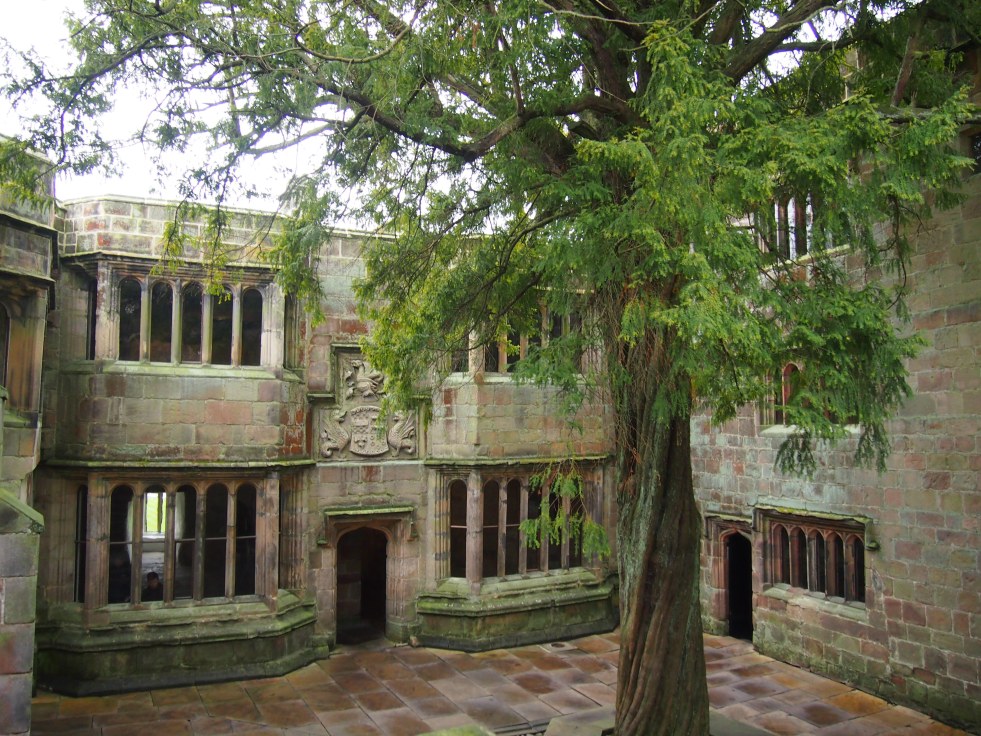
The hidden courtyard of one of England’s best preserved castles

It may not be the first place that springs to mind when one thinks of England’s great castles, but in the North Yorkshire town of Skipton a fine medieval castle dominates the skyline.  Skipton Castle, the earliest parts of which date from the Norman period, is one of the best preserved castles still standing in England.  Visitors can pass through the impressive drum-towered gatehouse to explore a fascinating building that was home to many figures involved in pivotal events during the medieval period, and that owes much of its appearance today to a formidable lady who lived there in the 17th Century.

OLYMPUS DIGITAL CAMERA

Continue reading “The hidden courtyard of one of England’s best preserved castles”
19th Century · 20th Century · 21st Century · Brixton

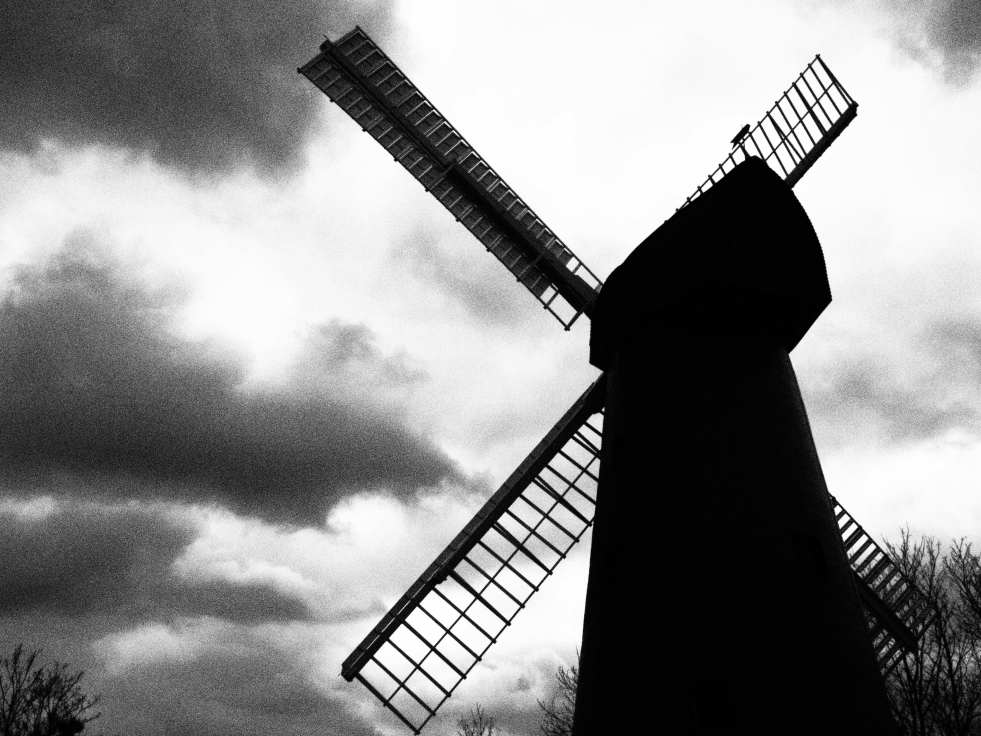
Ashby’s Mill: bringing Brixton’s hidden past to life

When I mentioned to friends that I’d visited Ashby’s Mill, their universal response was “I had no idea there was a windmill in Brixton!”  And it’s true enough that the south London district of Brixton isn’t somewhere that one immediately associates with windmills and rural life – it’s a built-up area that’s more likely to attract comments about crime or gentrification.  But in a little park by an ordinary housing estate is an extraordinary survivor from the days when Brixton was just an open space a few miles from London.  Today, the Brixton Windmill has been carefully restored and provides a wonderful opportunity for local people to get in touch with their area’s history.

OLYMPUS DIGITAL CAMERA

Continue reading “Ashby’s Mill: bringing Brixton’s hidden past to life”

18th Century · Twickenham

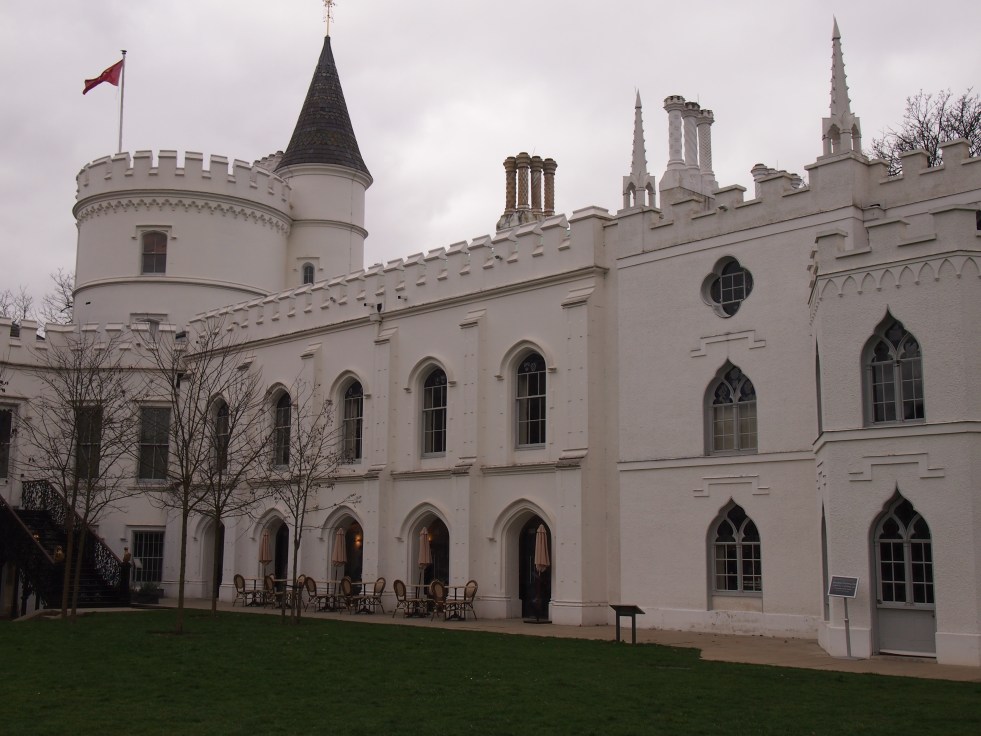
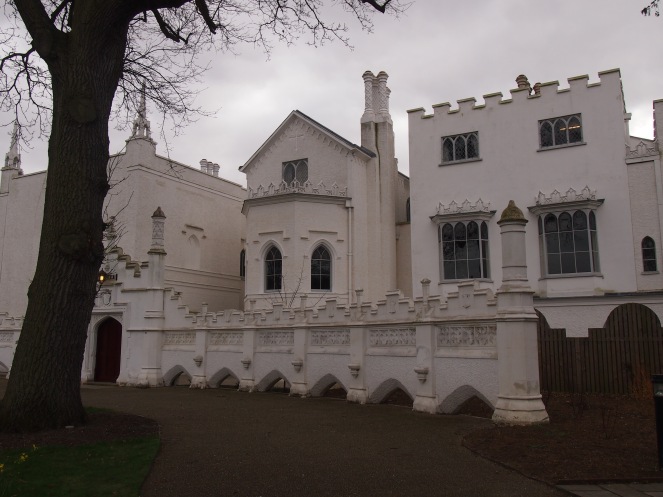
Strawberry Hill: the eccentric house that inspired the Gothic Revival

Among the smart suburban homes of Twickenham is a very strange house.  Gleaming white walls, battlements, Gothic pinnacles and a round tower stand out against more restrained neighbours. Strawberry Hill House, home of the eccentric man of letters Horace Walpole during the second half of the 18th Century, is arguably the birthplace not only of the Gothic revival, but also of the Gothic novel.   I visited Strawberry Hill on a very gloomy Saturday afternoon, which didn’t really do the house’s bright white walls justice, but the house had only reopened a few weeks earlier after an extensive restoration and despite the grey weather the house was clean and jewel-bright – and quite possibly one of the oddest homes I’ve ever visited.

OLYMPUS DIGITAL CAMERA

Continue reading “Strawberry Hill: the eccentric house that inspired the Gothic Revival”

11th Century · 12th Century · Lincoln

The precious Romanesque carvings at Lincoln Cathedral

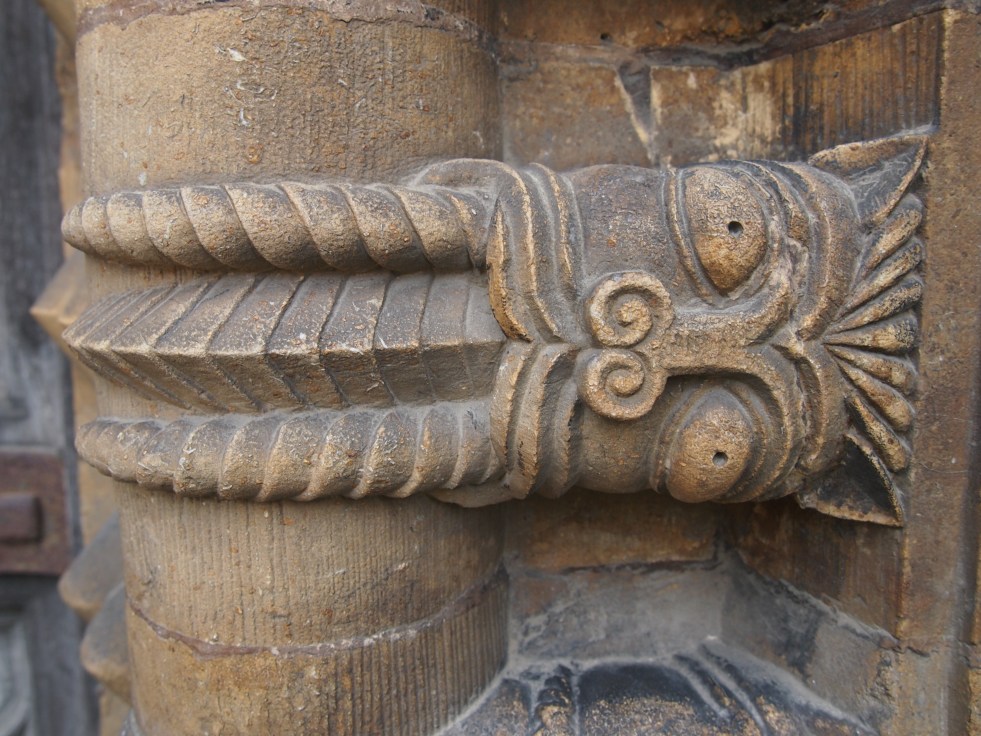
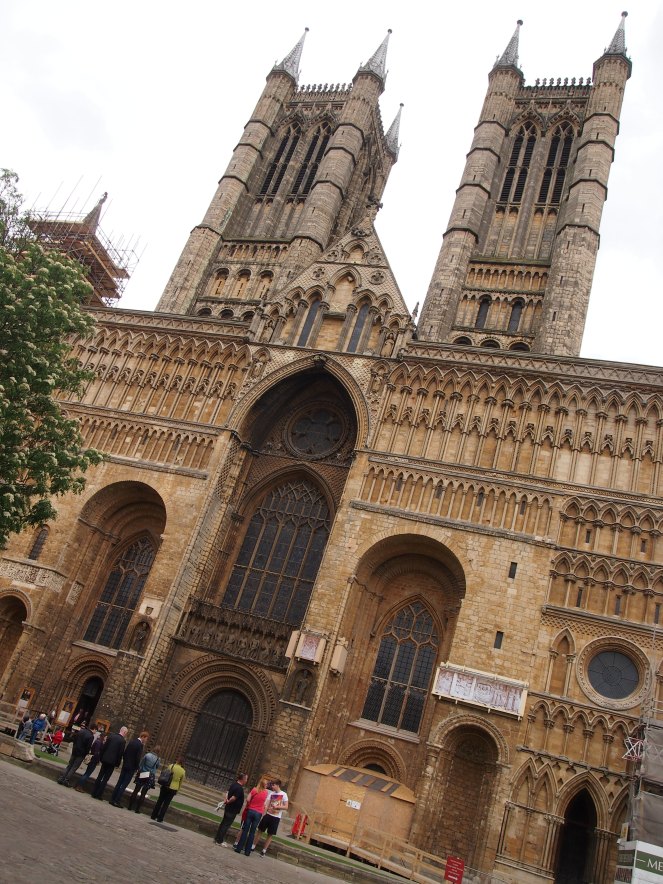
John Ruskin once described Lincoln Cathedral as being “out and out the most precious piece of architecture in the British Isles.”  Sitting at the summit of the hill that Lincoln is built on, the cathedral occupies a commanding position over the surrounding area.  It’s easy to see why Ruskin held this wonderful building in such high esteem.

OLYMPUS DIGITAL CAMERA

Continue reading “The precious Romanesque carvings at Lincoln Cathedral”

11th Century · 16th Century · 19th Century · Arkholme · Kirkby Lonsdale · Whittington-in-Lonsdale

Exploring the ancient churches and fortifications of the Lune Valley

Last summer, I visited a part of my native Lancashire that I’d never been to before – the Lune Valley.  It’s a beautiful part of the world which probably gets overlooked due to its proximity to the famous, dramatic landscapes of the Lake District and the Yorkshire Dales.  The valley is probably most famous for Ruskin’s View, the stunning vista – immortalised by John Constable – that can be observed from Kirkby Lonsdale (just across the county border in Cumbria).  But the Lune Valley also has a fascinating, half-forgotten history, and is home to some wonderful old churches.

OLYMPUS DIGITAL CAMERA
Ruskin’s view

Continue reading “Exploring the ancient churches and fortifications of the Lune Valley”

19th Century · Kensal Green

A taste for the dramatic: the grand monuments of Kensal Green

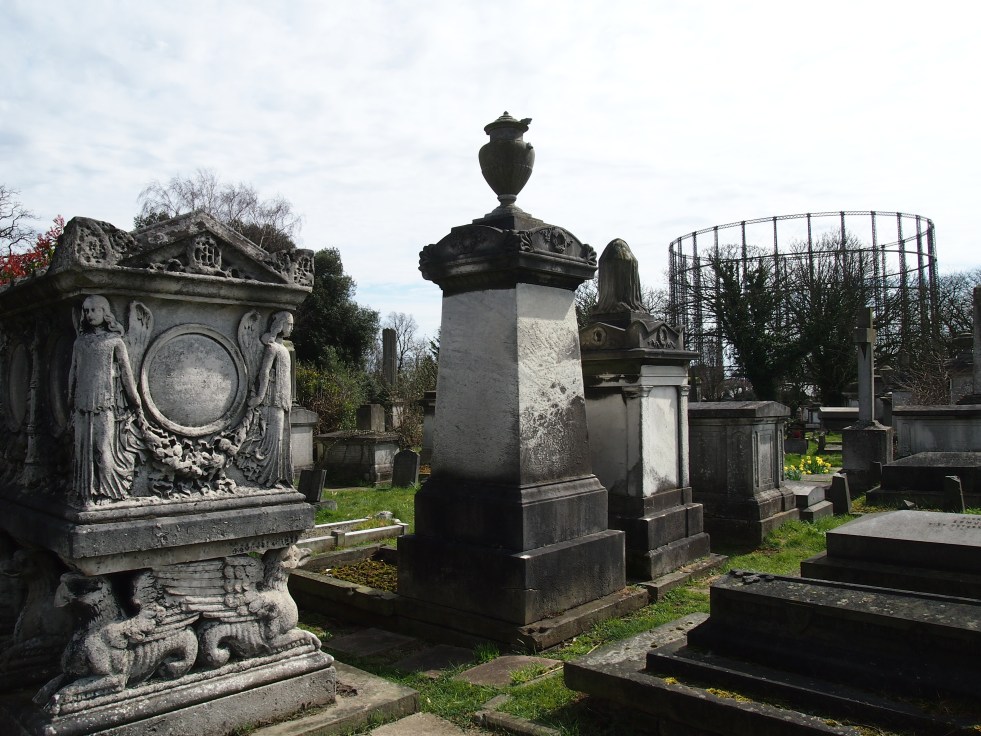
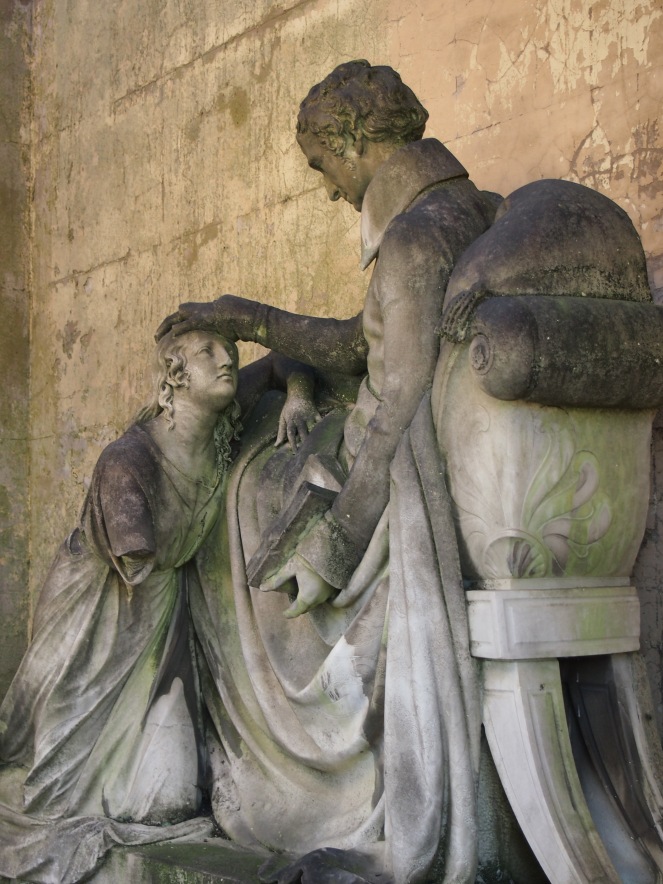
One of the things that has always appealed to me about the big Victorian cemeteries is their sense of drama, and their grand, elaborate memorials.  Of course, there’s nothing new about the moneyed commissioning ostentatious memorials for themselves and their loved ones, but in the grand cemeteries of the big cities, like London, it’s possible to see lots of dramatic memorials clustered closely together, all vying for prominence in burial grounds that were designed to be visited by the living as well as being places for the dead to rest.

OLYMPUS DIGITAL CAMERA

Kensal Green, one of London’s “Magnificent Seven” cemeteries, is home to many wonderfully dramatic monuments.  Opened in 1833, it was inspired by the famous Père Lachaise cemetery in Paris, and the burial of one of King George III’s sons, Prince Augustus Frederick (died 1843), made Kensal Green a fashionable place to be laid to rest.

Continue reading “A taste for the dramatic: the grand monuments of Kensal Green”

14th Century · 16th Century · 20th Century · City of London

The ruins of Christ Church Greyfriars and the grave of a “she-wolf”

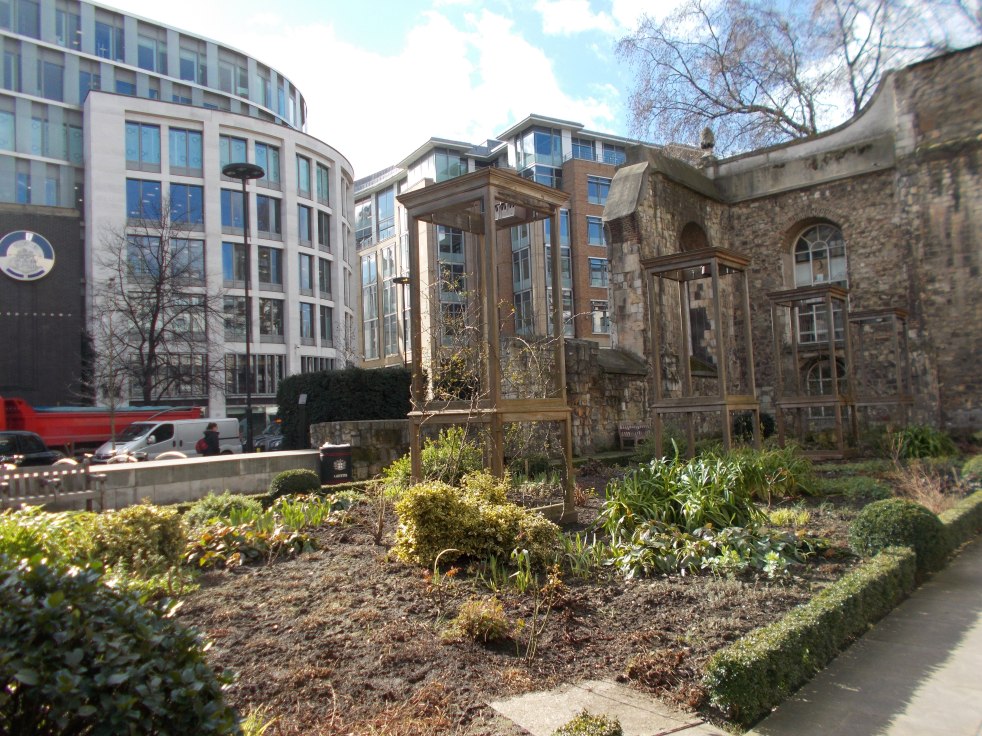
I remember the first time I saw Christ Church Greyfriars – I was on my way to a job interview near the Old Bailey, and as I was walking up Newgate Street from the tube station by St Paul’s I saw the ruins of a church.  Intrigued, I went over to the ruin to read the sign explaining what the site was.  I’ve always been fascinated by ruins – not just the reasons why a building became a ruin, but also why the ruin itself was preserved.  When one considers how valuable every square foot of space is in the City of London, it’s quite something to come across a ruin that’s stood there for over seventy years.

DSCN0151

Continue reading “The ruins of Christ Church Greyfriars and the grave of a “she-wolf””

12th Century · 19th Century · 20th Century · City of London

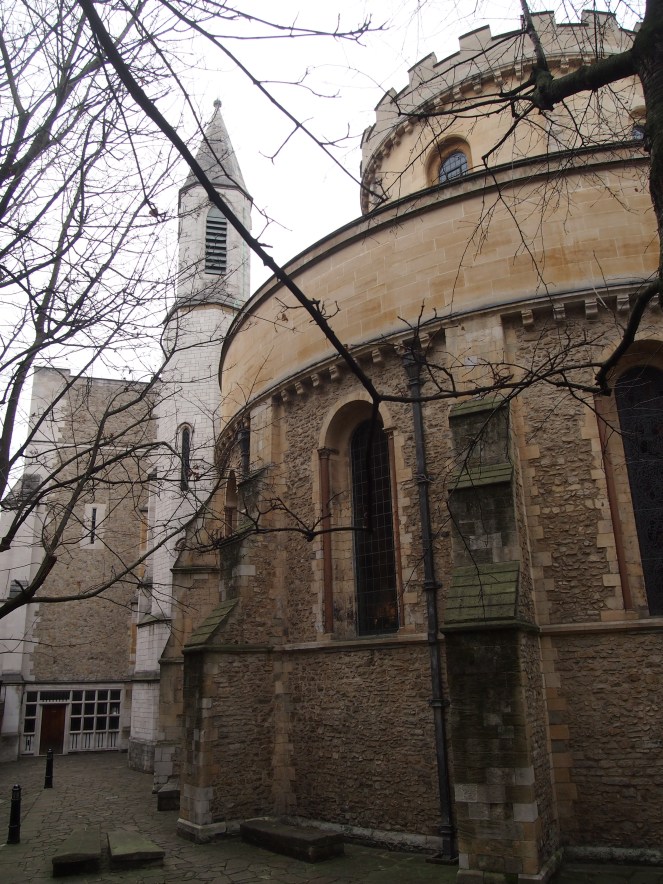
Temple Church: the hidden church founded by the Knights Templar

The term “hidden gem” gets bandied around a lot in relation to all sorts of places in London – bars and restaurants, museums, galleries and historic buildings.  It’s a bit of an overworn phrase, but the subject of today’s post definitely fits the criteria for a hidden gem: small and off the beaten track, pretty and perfectly formed.

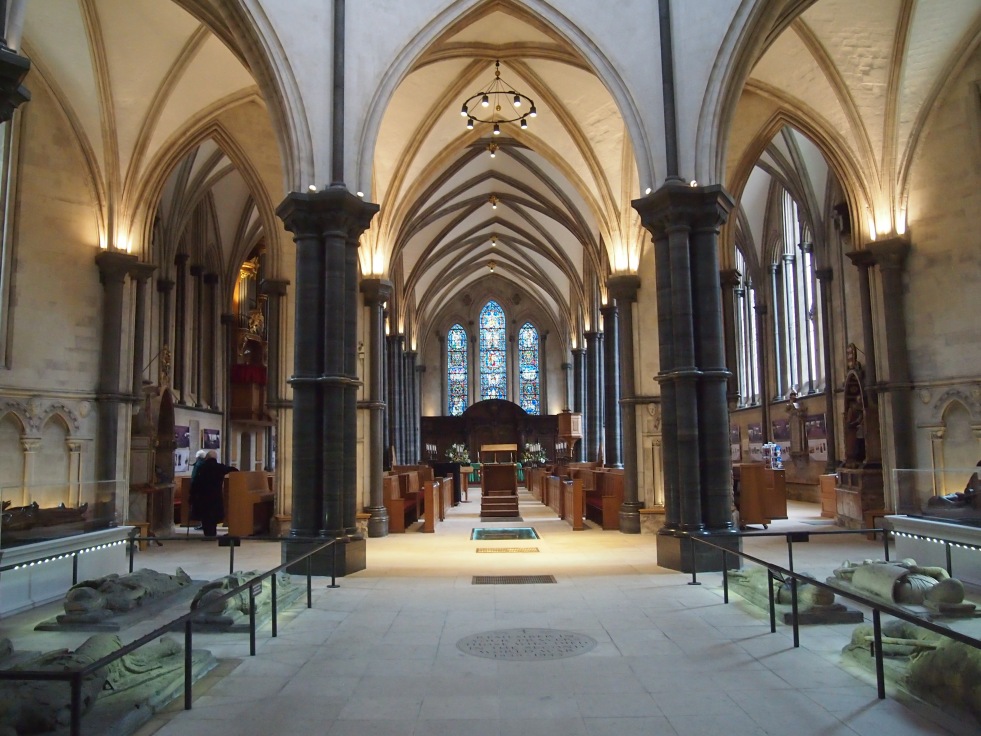
Through a little gateway on Fleet Street lies the Temple, the inner sanctum of Britain’s legal profession.  It’s a curious name – one that always intrigued me when I was younger, going through Temple Station whilst on the District Line and wondering if there actually was a temple there.  There is no temple, but amid the chambers of barristers is a little old church that has a history going all the way back to the Knights Templar.

OLYMPUS DIGITAL CAMERA

Continue reading “Temple Church: the hidden church founded by the Knights Templar”

19th Century · Camden

The abandoned Temperance Hospital in Euston

Not far from London’s Euston station is a slightly spooky old derelict building.  The former London Temperance Hospital on Hampstead Road has been closed for many years now, leaving a shell of mismatched buildings falling into disrepair.  The idea of a hospital set up by members of the temperance movement intrigued me, so I decided not only to have a closer look at the old hospital itself but also dig into its history.

OLYMPUS DIGITAL CAMERA

Continue reading “The abandoned Temperance Hospital in Euston”

11th Century · 14th Century · 19th Century · Ely

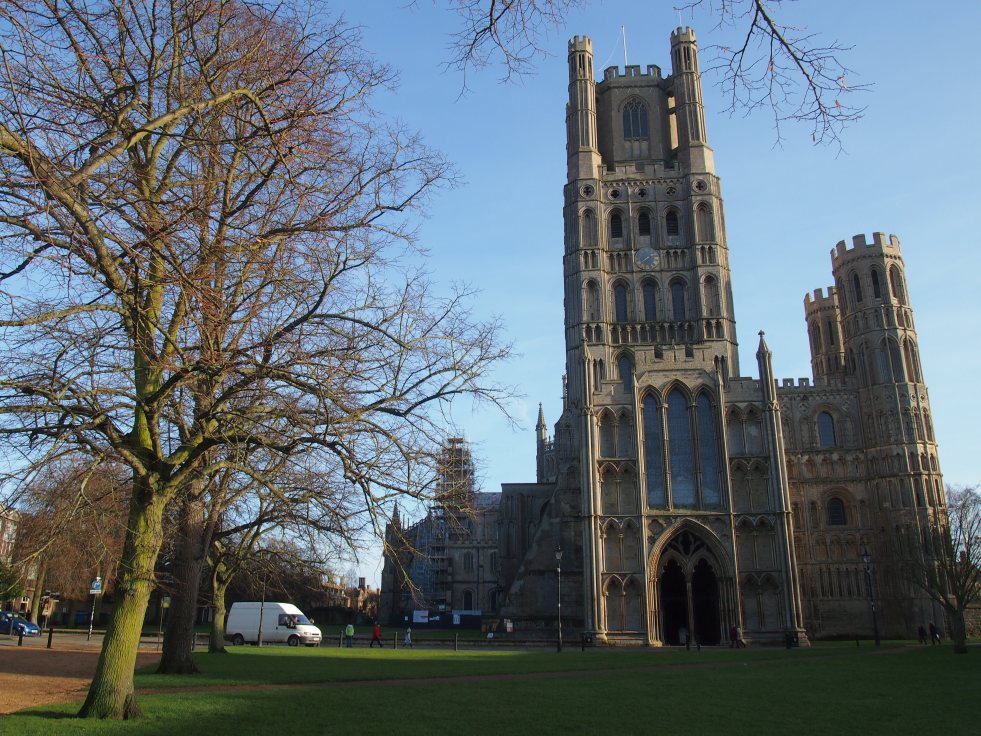
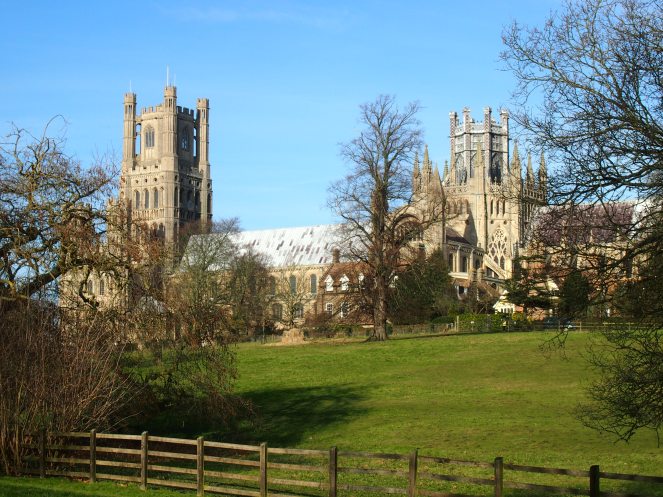
The stunning “ship of the Fens” – Ely Cathedral

As I made my way north on the train from Cambridge to Ely, the Fens seemed to stretch out forever.  An entirely flat landscape of fields, waterways and even solar panels spread in all directions.  The Fens is an alien place to me; I grew up in Lancashire amongst hills, moors and valleys.  Until the Fens began to be drained from the 17th Century onwards, the little city of Ely was an island amid a vast watery landscape of rivers, peat beds and marshes.

Atop the highest hill in the Fens – a mere 26 metres above sea level – is a magnificent cathedral that dominates the landscape.

OLYMPUS DIGITAL CAMERA

Continue reading “The stunning “ship of the Fens” – Ely Cathedral”