18th Century · 19th Century · Fulham

The final resting place of the Bishops of London

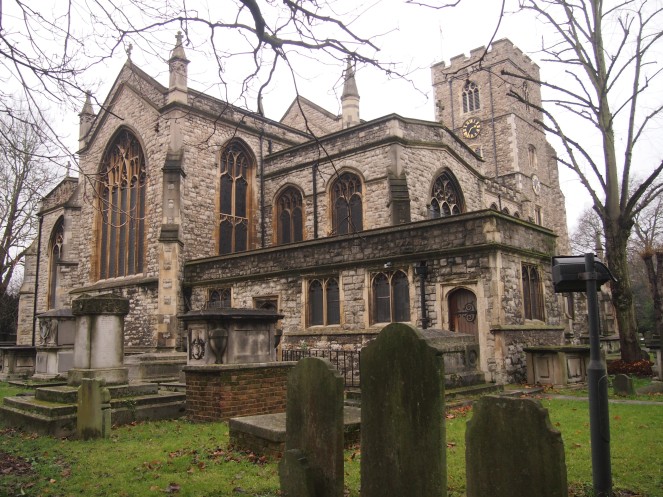
I’ve lost count of the number of times I walked past this church and its burial ground before finally stopping to explore it.  All Saints, Fulham, is situated close to the River Thames, and is the twin to the more famous church on the other side of Putney Bridge – St Mary the Virgin, Putney.  St Mary’s was the home of the Putney Debates, a series of discussions amongst members of the Parliamentarian New Model Army, in 1647.  But All Saints also has an interesting history, and has a churchyard full of fascinating graves – including the tombs of many of the Bishops of London.
OLYMPUS DIGITAL CAMERA

Continue reading “The final resting place of the Bishops of London”
20th Century · East Sheen

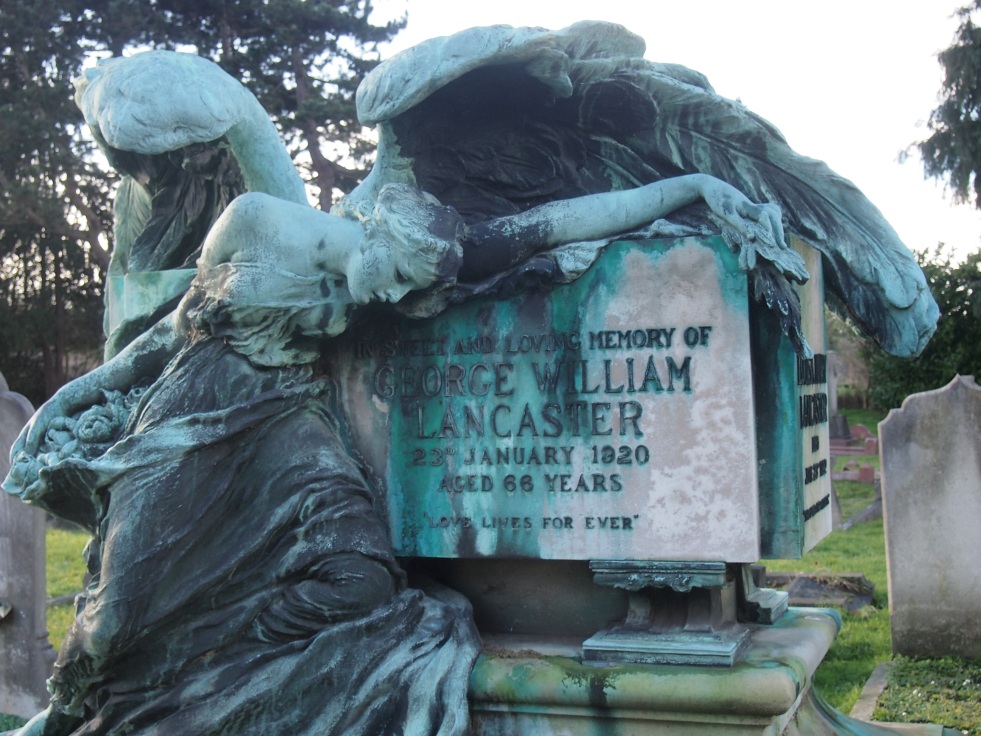
East Sheen Cemetery and the “Angel of Death”

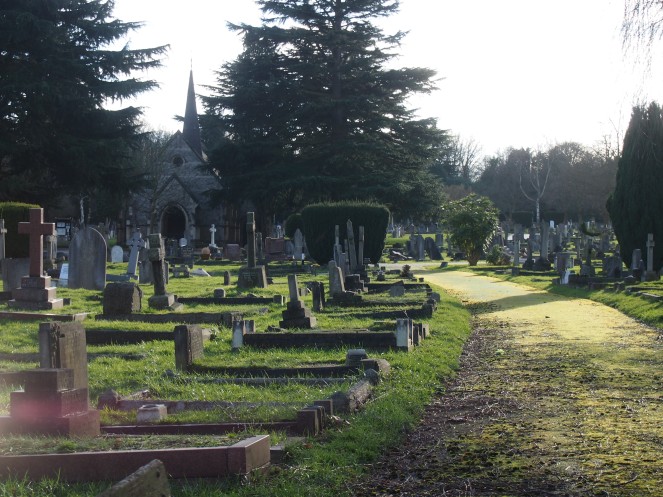
Opened in the early 1900s in a well-heeled area on the edge of Richmond Park, East Sheen Cemetery seems at first to be an entirely typical 20th Century burial ground, its paths lined by stone and marble monuments, sheltered by pine trees.  Sadly, it’s suffered from vandalism over the years and a number of crosses and headstones have fallen or been pushed over.

OLYMPUS DIGITAL CAMERA

However, there is a dramatic surprise waiting for visitors to this otherwise unassuming cemetery.

Continue reading “East Sheen Cemetery and the “Angel of Death””

12th Century · 17th Century · Southwell

Pepperpot towers, Gothic splendour and Parisian stained glass: exploring Southwell Minster

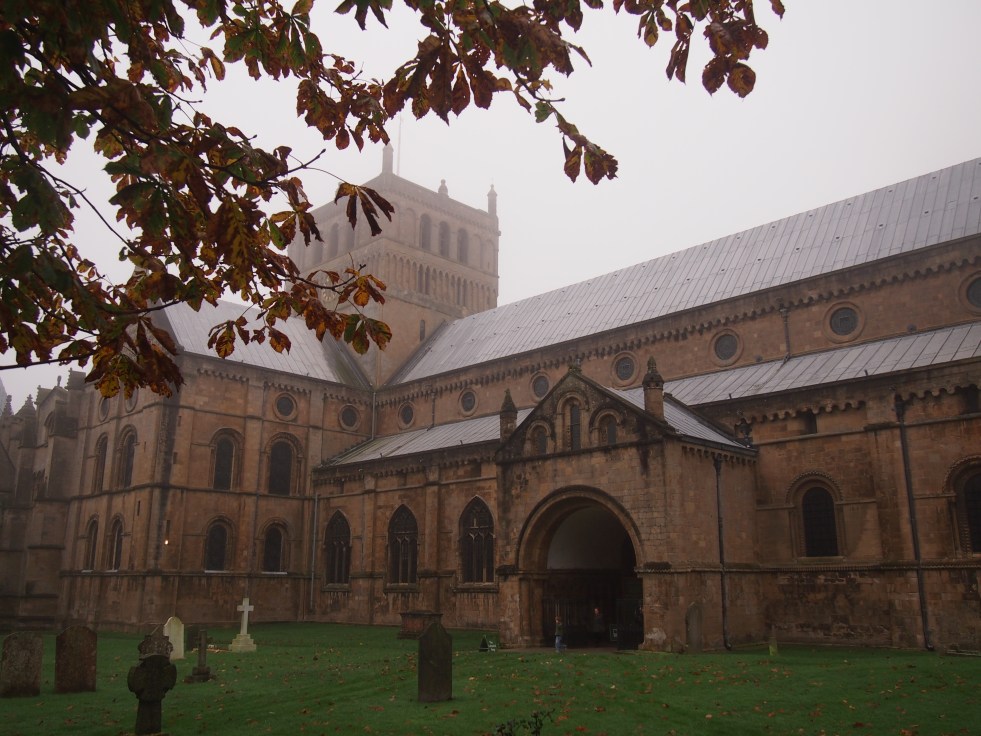
A few weeks ago, I was spending the weekend with old friends in Sheffield, and on the Saturday afternoon we drove out to Southwell, a pretty little town in Nottinghamshire.  I wasn’t sure what to expect – my friend had sold Southwell to me as a beautiful and interesting historic town, but I had no idea of the magnificent gem at the heart of Southwell – the Minster.

OLYMPUS DIGITAL CAMERA

Continue reading “Pepperpot towers, Gothic splendour and Parisian stained glass: exploring Southwell Minster”

19th Century · Lambeth

Discovering the “impossibly handsome” Roupell Street

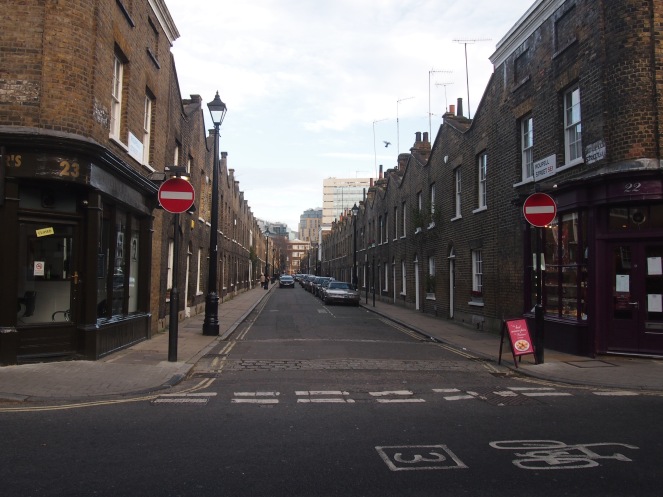
I first came across this beautiful street while a tube strike was in progress – disruption to my usual route to work meant that I had travelled on a National Rail service into Waterloo, and had then covered the rest of my journey to work on foot.  Turning off the busy Waterloo Road into a maze of residential streets, following the people heading in the direction of the City, I found myself on Roupell Street and felt as though I had stepped back in time.

OLYMPUS DIGITAL CAMERA

Continue reading “Discovering the “impossibly handsome” Roupell Street”

15th Century · Lincoln

A most macabre tomb in Lincoln Cathedral

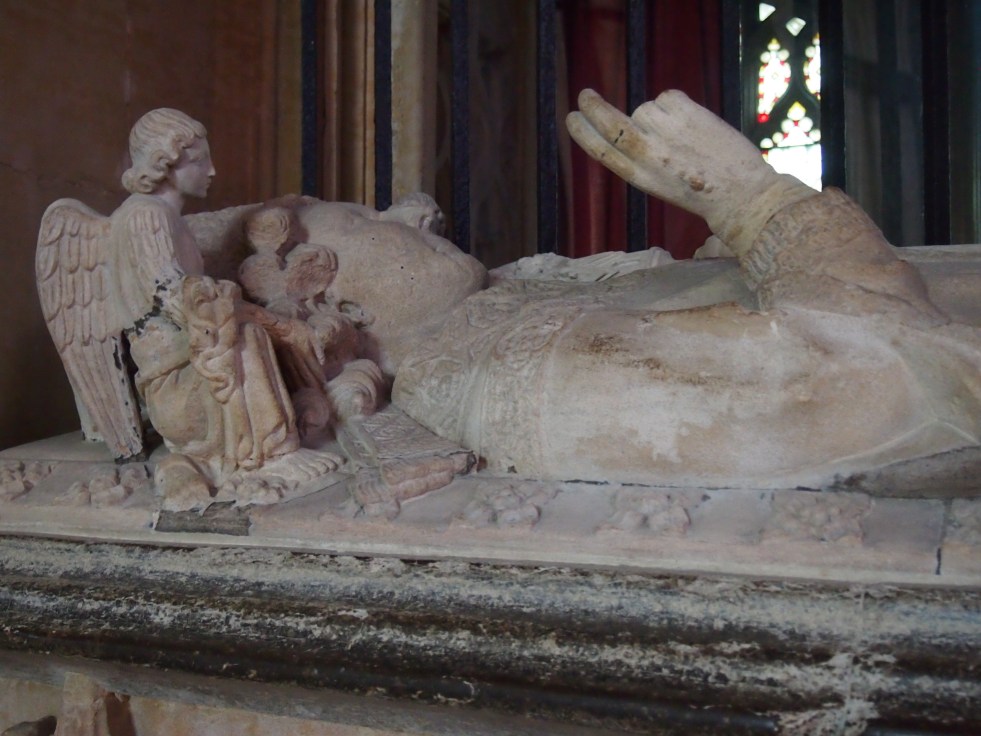
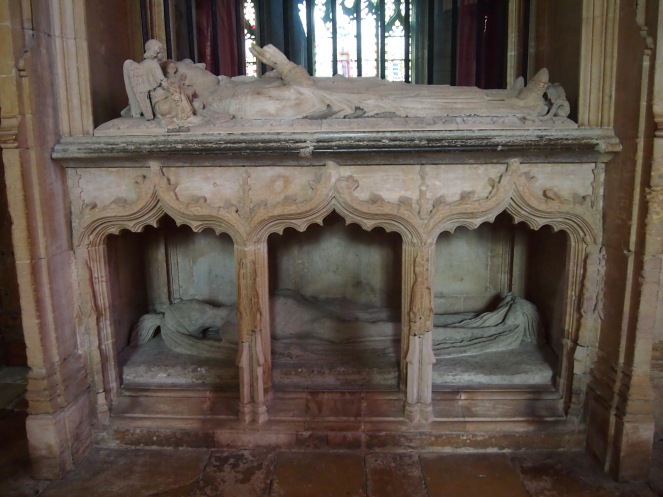
At first, it looks like just another effigy.  A man in bishop’s robes carved in stone lies in peaceful repose, one hand raised in blessing, his head guarded by an angel.  But beneath the effigy is another figure – shockingly, this is the figure of a rotting corpse, wrapped only in a shroud.  This is the cadaver tomb of Bishop Richard Fleming at Lincoln Cathedral, and it is the oldest one still surviving in England.

OLYMPUS DIGITAL CAMERA

Continue reading “A most macabre tomb in Lincoln Cathedral”

12th Century · 16th Century · City of London

St Bartholomew the Great: a Romanesque gem in the City

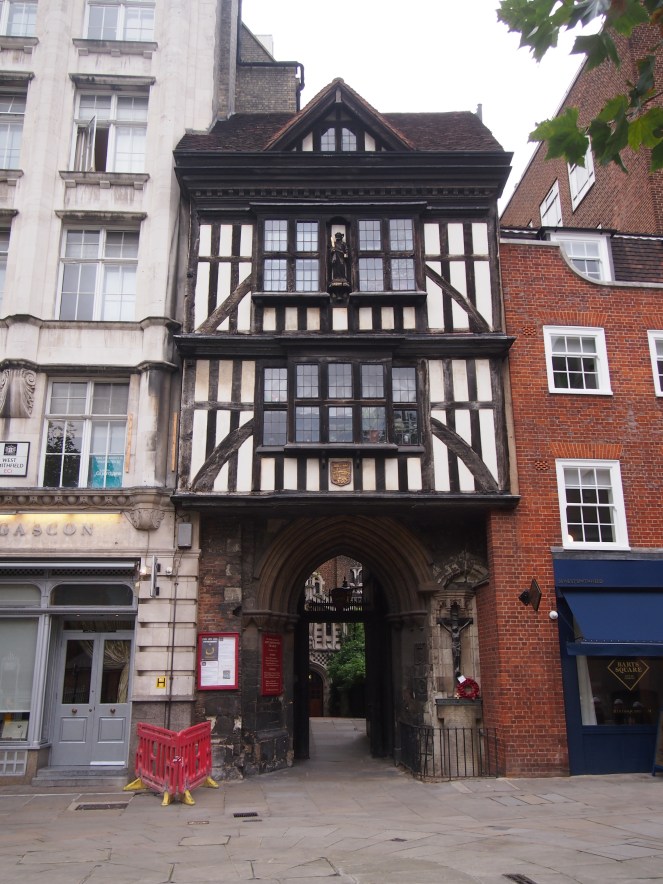
Nestled between pubs, restaurants and the hospital buildings of St Bart’s on West Smithfield is a Tudor gatehouse.  During the week office workers, hospital staff and the traders of nearby Smithfield Market hurry past this structure without giving it a second glance, but groups of people on guided tours usually stop outside this rather incongruous site.  The gatehouse marks the entrance to the City of London’s oldest parish church, St Bartholomew the Great, a rare survivor from the Great Fire, albeit much changed from its early years.

OLYMPUS DIGITAL CAMERA

Continue reading “St Bartholomew the Great: a Romanesque gem in the City”

13th Century · Pennygown

Pennygown: the ruined chapel and medieval effigies of a Hebridean burial ground

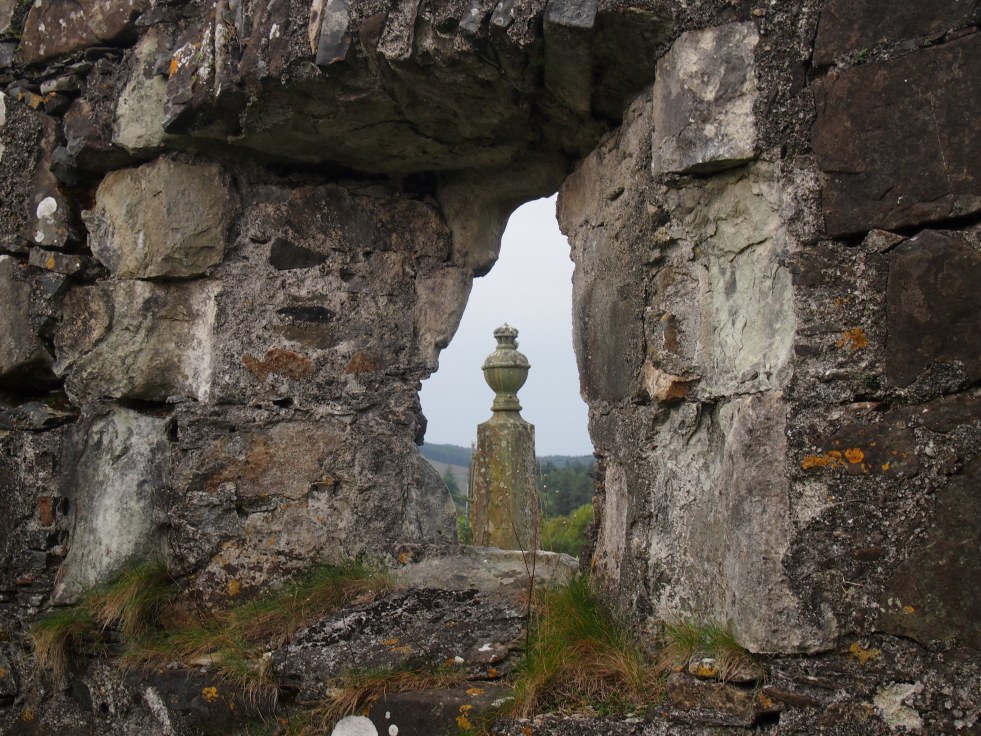
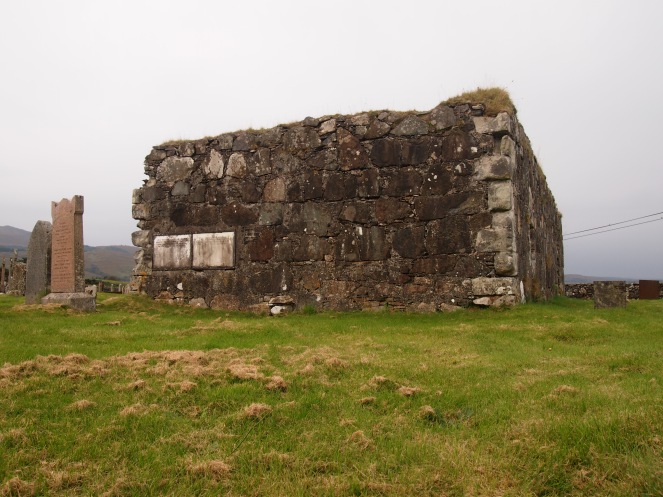
I first came across the ruined chapel whilst on a wildlife trek – we had stopped near the little town of Salen to watch harbour porpoises in the Sound of Mull.  Intrigued as I was by the ruined chapel and its surrounding burial ground, there wasn’t time to stop and explore and I had to return a few days later to get a good look around the site.  My stay on the beautiful Scottish island of Mull had been blessed with warm sunshine, but on the final day of my trip – when I finally had time to visit the chapel and the burial ground surrounding it – the clouds had arrived.

OLYMPUS DIGITAL CAMERA

This is Pennygown burial ground, and it is still used by the people of the Mull today.

Continue reading “Pennygown: the ruined chapel and medieval effigies of a Hebridean burial ground”

19th Century · 20th Century · Stoke Newington

Autumn comes to Abney Park

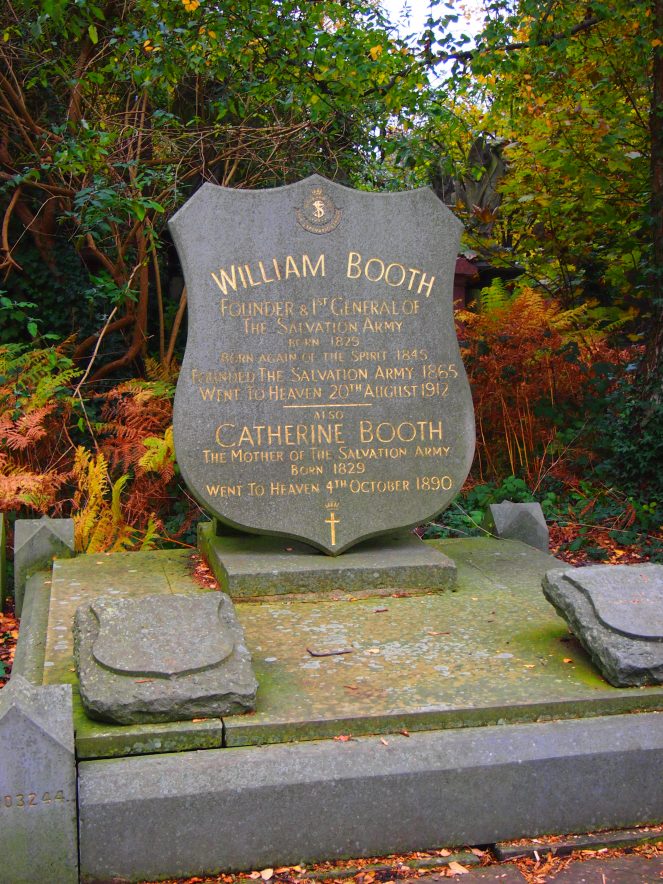
What better thing to do on a chilly Sunday afternoon than explore a beautiful old cemetery?  Abney Park in Stoke Newington is one of London’s gems – as well as being one of the city’s “Magnificent Seven” Victorian cemeteries, it’s a peaceful space that members of the local community have worked hard to make into a welcoming place for visitors.  It was founded in 1840 as the first completely non-denominational burial ground in England and is the final resting place of many well-known nonconformists.  Bunhill Fields, which for nearly two centuries had been the main site for nonconformist burials in London, closed in 1854, and Abney Park took over as the most prominent burial place of nonconformists.  Probably the most famous people to be buried at Abney Park are William and Catherine Booth, founders of the Salvation Army.

OLYMPUS DIGITAL CAMERA

Continue reading “Autumn comes to Abney Park”

19th Century · 20th Century · Reykjavik

“The largest and oldest museum in Reykjavik” – Hólavallagarður cemetery

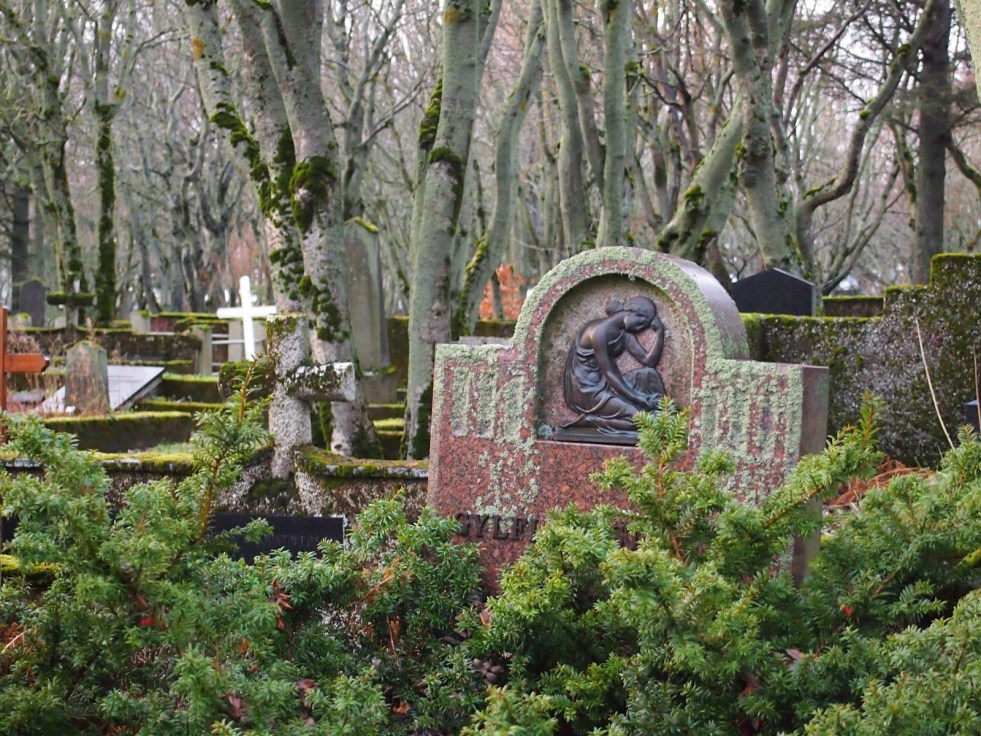
A number of posts I’ve written for this blog so far have focused on graveyards, particularly the grand Victorian graveyards of London.  However, the graveyard featured in this post lies 1,000 miles from London, on a quiet hillside in Reykjavik, the capital of Iceland.

PB141064

Unlike Britain, Iceland has no long history of cities as we would recognise them.  Settled by the Vikings in the late 9th Century, Iceland has always had a small population (today it is around 300,000) and settlements tended to be small.  Reykjavik has long been settled – today, one can visit the remains of a 10th Century longhouse discovered during demolition works in the 20th Century – but it only began life as a town in the mid-18th Century.  The oldest buildings in the city are on Aðalstræti (“main street”), close to where the Viking longhouse is situated.

Continue reading ““The largest and oldest museum in Reykjavik” – Hólavallagarður cemetery”

19th Century · Chelsea

Brompton Cemetery, an open-air cathedral of remembrance

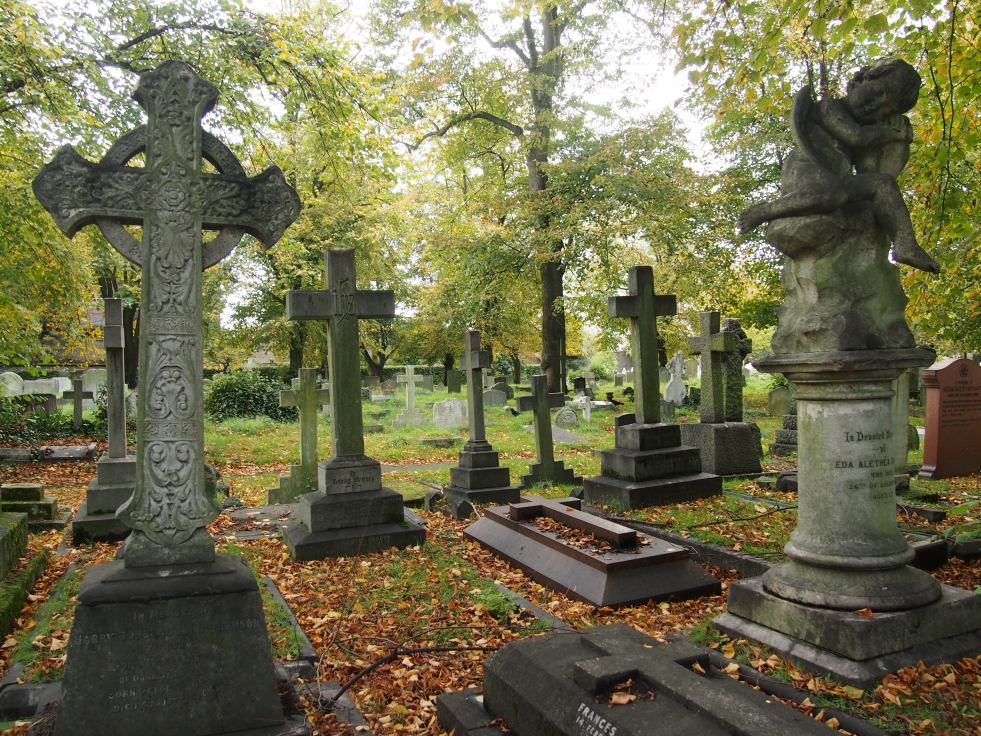
A couple of weekends ago, I was invited to attend an event being held as part of the London Month of the Dead at Brompton Cemetery in west London.  The main cemetery entrance is on Old Brompton Road, not far from Earl’s Court station, in that slightly ragged edge of town where Chelsea, Fulham and Kensington meet, and where genteel houses make way for seedy hotels and dreary bedsits with grimy windows.  Behind high railings, and through an imposing gateway, is one of London’s Magnificent Seven cemeteries.

OLYMPUS DIGITAL CAMERA

Continue reading “Brompton Cemetery, an open-air cathedral of remembrance”