19th Century · Clerkenwell

Among the rioters and resurrectionists: the turbulent history of Spa Fields

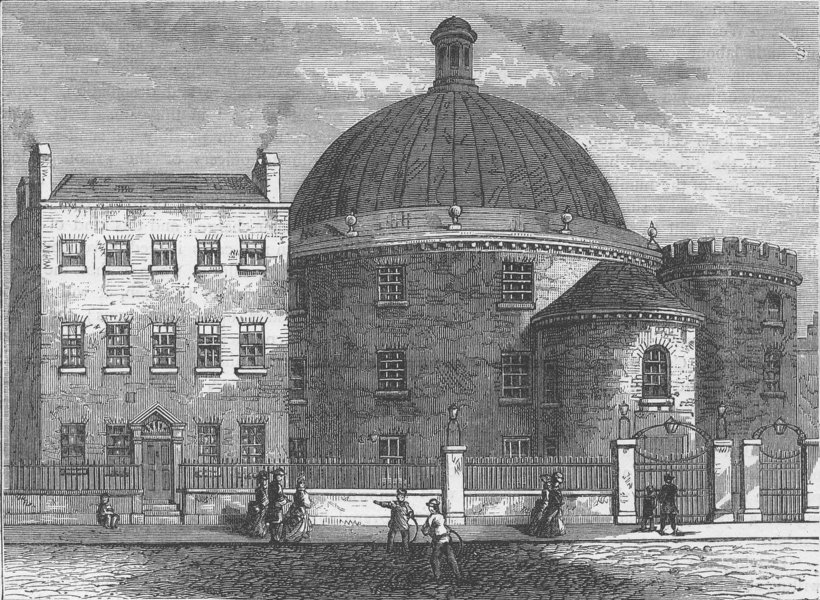
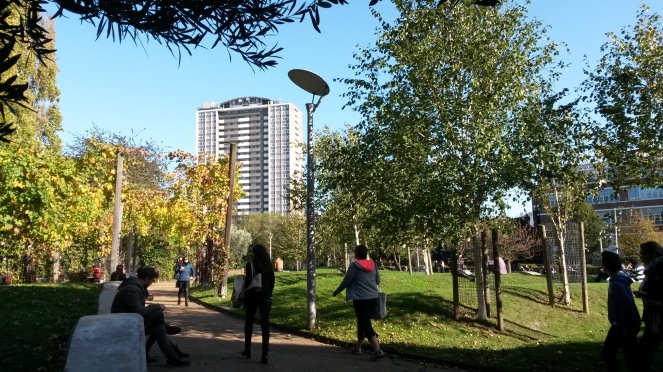
Situated just to the south of trendy Exmouth Market, Spa Fields in Clerkenwell is today a park that is enjoyed by locals and office workers alike, a rare green space in an area filled with offices, tower blocks and retail units. Only a couple of plaques installed by Islington Council give any indication of the area’s raucous and sometimes dark history.

20141027_124133

Continue reading “Among the rioters and resurrectionists: the turbulent history of Spa Fields”

17th Century · 18th Century · City of London

Pye Corner: Flames, poltergeists and bodysnatchers

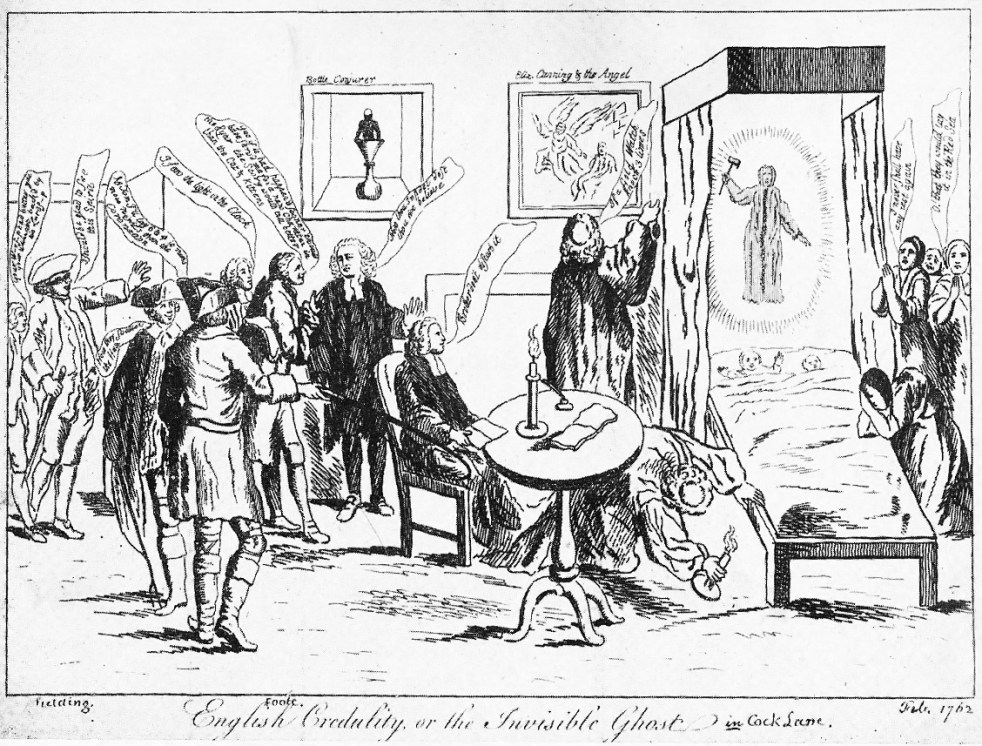
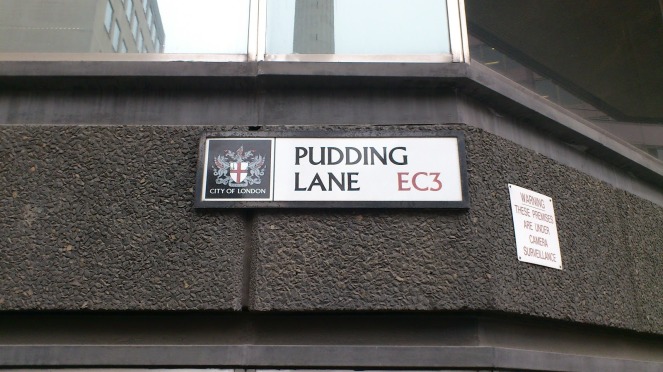
Pye Corner, the site where the Great Fire of London famously came to an end in 1666, has a long and grisly history of which the Great Fire is only one chapter.  Accounts of the Great Fire tell us that the Fire began at a bakery in Pudding Lane and ended three days later (having consumed 13,000 houses and 87 churches) at Pye Corner.  Christopher Wren’s towering Monument to the Great Fire of London is close to Pudding Lane, but where is Pye Corner?

DSC_0382

Continue reading “Pye Corner: Flames, poltergeists and bodysnatchers”

13th Century · 17th Century · 19th Century · Winchester

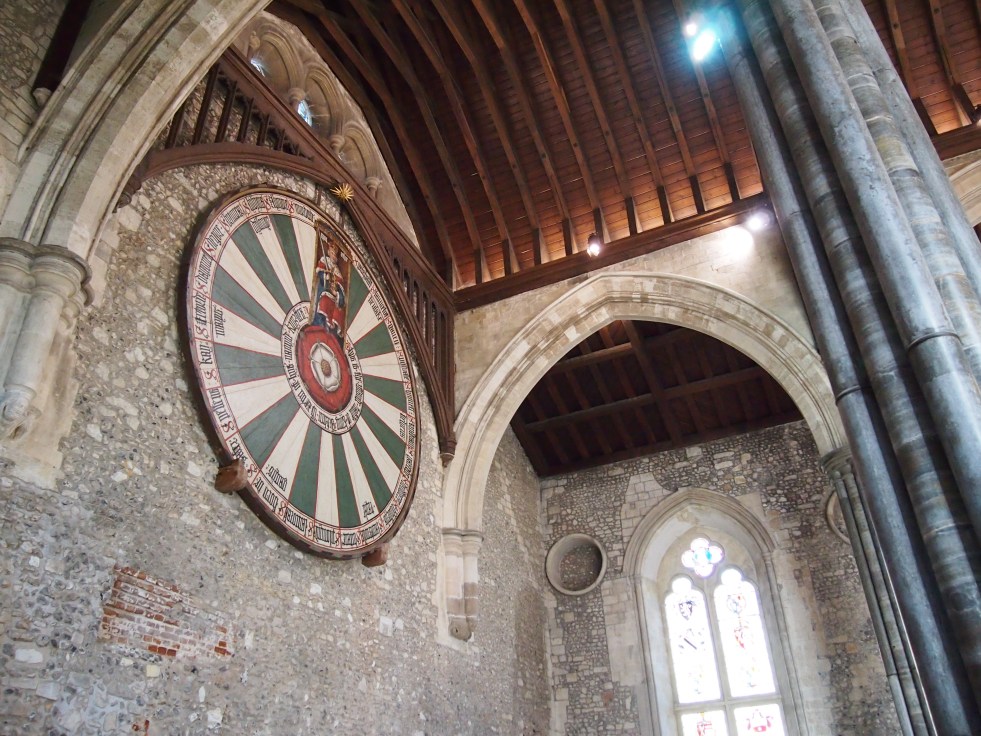
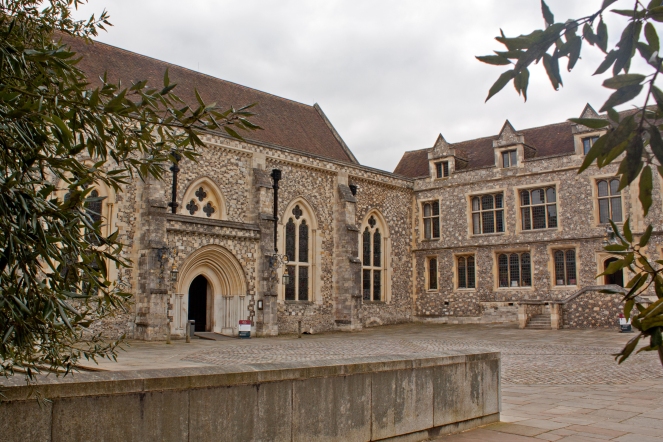
The many reinventions of Winchester Castle’s Great Hall

Winchester, England’s ancient capital, is home to a great many fascinating old buildings.  The area was originally settled in the Iron Age, then became the Roman town of Venta Belgarum and there has been a cathedral in the city since the 7th Century.  King Alfred the Great was buried at Winchester and his links with the city are commemorated by an imposing Victorian statue of him in the city centre.  Visitors to the city flock to the grand Gothic cathedral and its beautiful cathedral close , the medieval almshouses of St Cross and Winchester Castle’s Great Hall, which is the subject of today’s blog post.

Winchester Great Hall (Image by Johan Bakker on Wikimedia Commons)

Continue reading “The many reinventions of Winchester Castle’s Great Hall”

17th Century · 19th Century · Stanmore

The ruin next door: exploring the Brick Church of St John the Evangelist, Stanmore

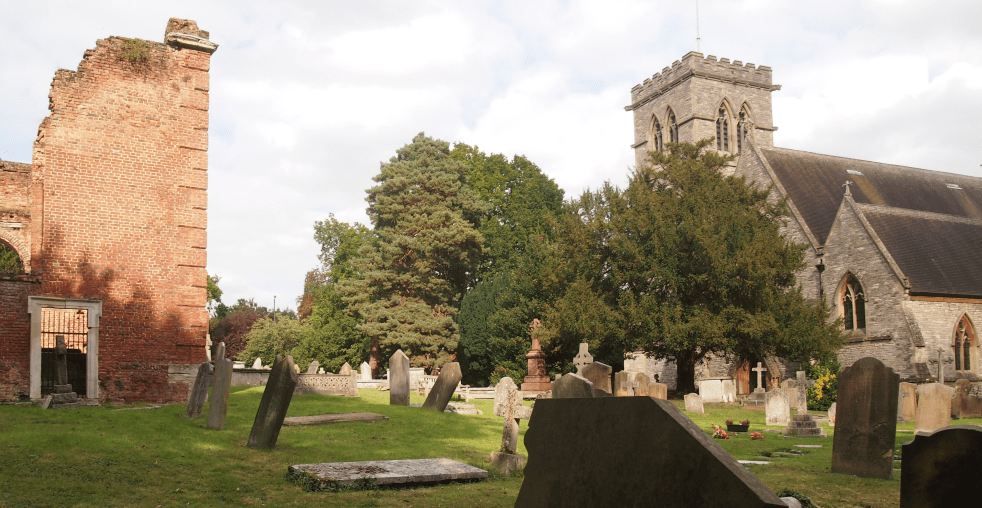
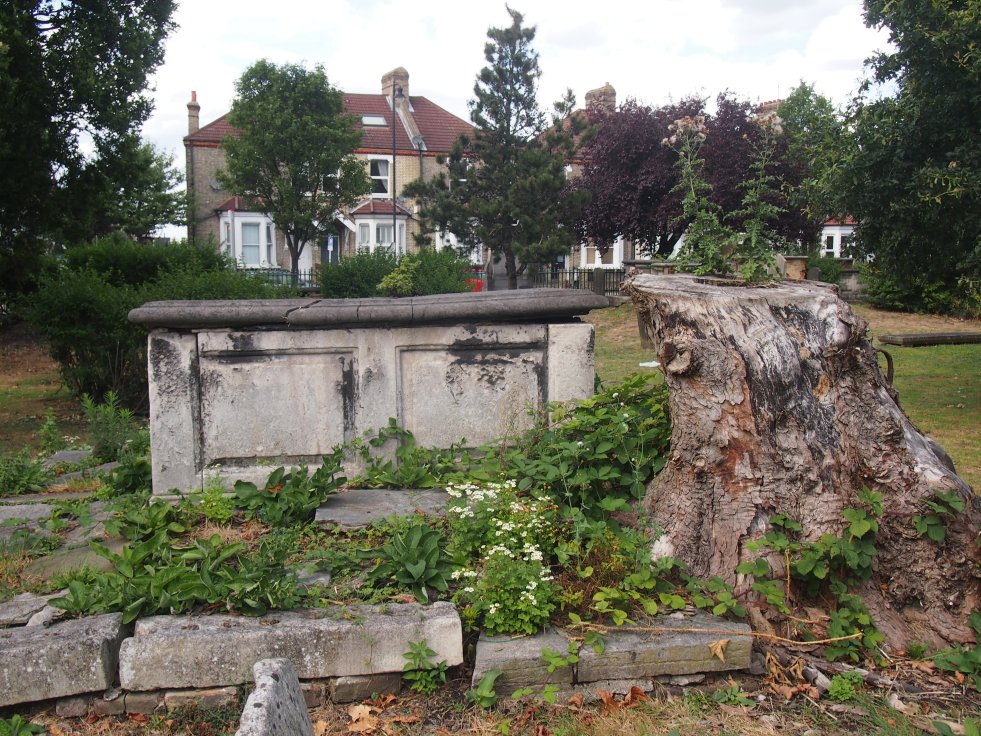
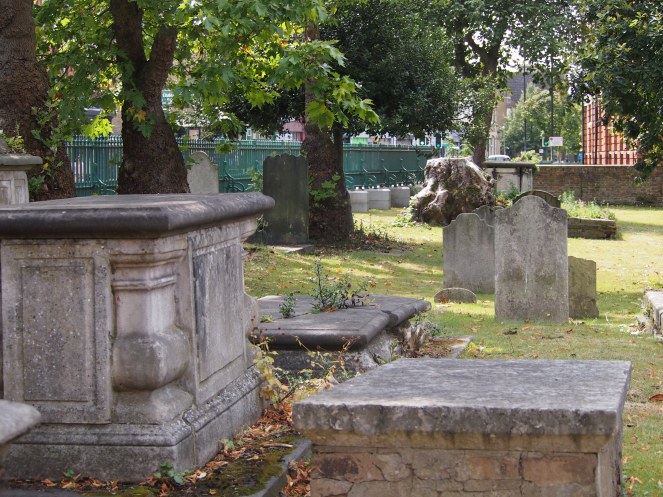
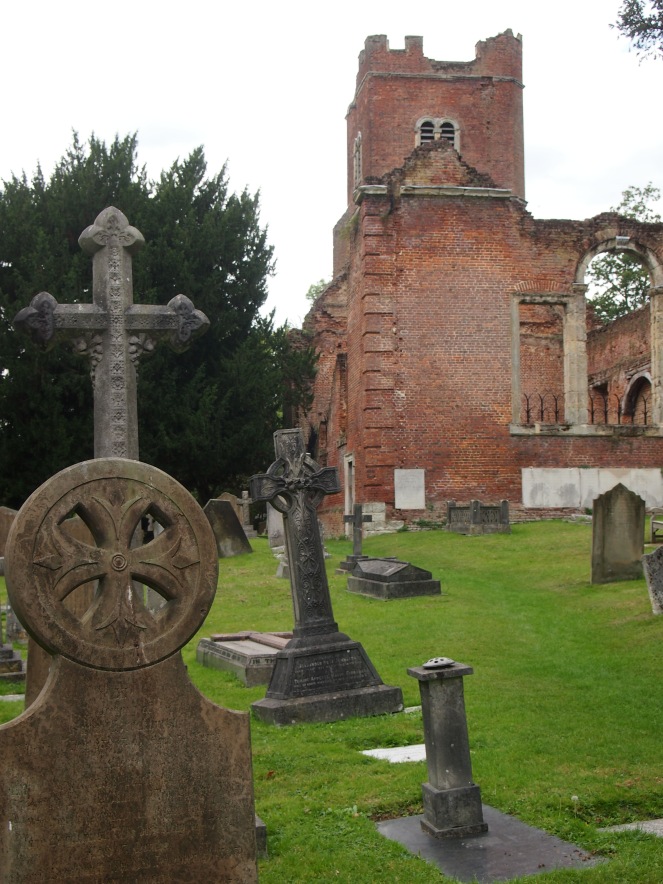
London is home to a number of ruined churches – in the City of London alone there are several, victims of the bombing raids of the Luftwaffe in the Second World War.  However, not all of the ruined churches of Greater London are victims of the Blitz.  In Stanmore, a comfortable suburb at the top of the Jubilee Line, another ruined church can be found alongside its Victorian successor.  The current parish church of St John the Evangelist was built in the mid-19th Century, but the picturesque ruins of the 17th Century church it replaced still survive in the church’s large burial ground.

The burial ground is a tranquil place, despite being close to a busy main road. Numerous squirrels darted in and out of the gravestones and a pair of magpies strutted around, while pigeons cooed softly, hidden from sight.  It was a humid September day when I visited, with shafts of sunlight shining through the clouds.  For an hour or so I had the place to myself, before the ruin was opened for the afternoon.
OLYMPUS DIGITAL CAMERA

Continue reading “The ruin next door: exploring the Brick Church of St John the Evangelist, Stanmore”

18th Century · 7th Century · Isle of Iona

Rèilig Odhrain, the ancient cemetery on the edge of the world

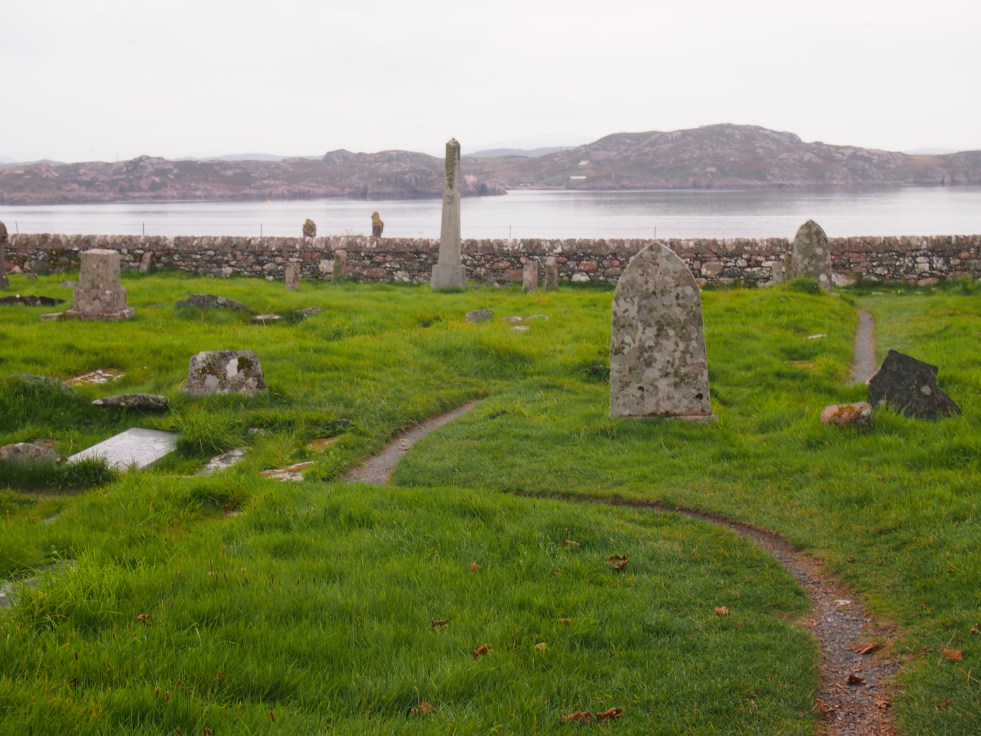
Today, the tiny Scottish island of Iona is not the easiest of places to get to.  It’s a long drive across the Isle of Mull to Fionnphort from the main ferry link with the Scottish mainland at Craignure.  However, in the past Iona was the centre of Christianity in the region, as well as being a site of political significance.  Travelling by boat, it was easier to reach than its geographical isolation suggests.

I visited the island on a mild September day, after a long drive from the eastern coast of Mull.  The sea was clear and calm and made for a smooth passage on the short ferry trip from Fionnphort; later on a pod of dolphins could be seen in the Sound of Iona.  It is a peaceful place, with beaches of white sand and outcrops of pink granite.  Since the 7th Century it has been a place of pilgrimage, and it continues to welcome thousands of visitors every year.

OLYMPUS DIGITAL CAMERA

Continue reading “Rèilig Odhrain, the ancient cemetery on the edge of the world”

16th Century · 20th Century · Clerkenwell

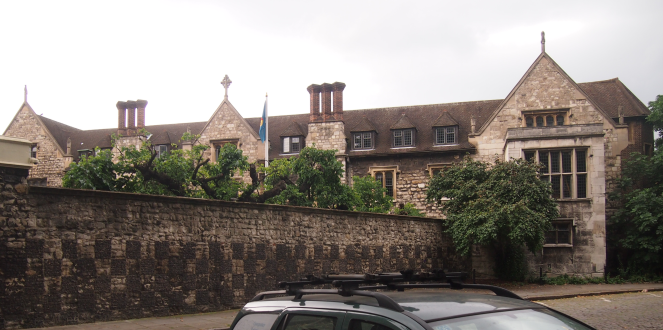
Behind the high walls of London’s Charterhouse

Hidden behind high walls, the Charterhouse in Clerkenwell exudes an air of mystery – at least to those who, like me, spend their lunchbreaks wandering around the interesting old places close to their place of work.  The Charterhouse is only open to the public for pre-booked guided tours, but a few weeks ago I was fortunate enough to be able to visit the Charterhouse to attend a wonderful lecture about the history of the site by the Charterhouse’s head archivist, Dr Stephen Porter.

P7207517crop
The view from Charterhouse Square

Continue reading “Behind the high walls of London’s Charterhouse”

20th Century · Barnes

Marc Bolan’s rock shrine – a place of modern-day pilgrimage

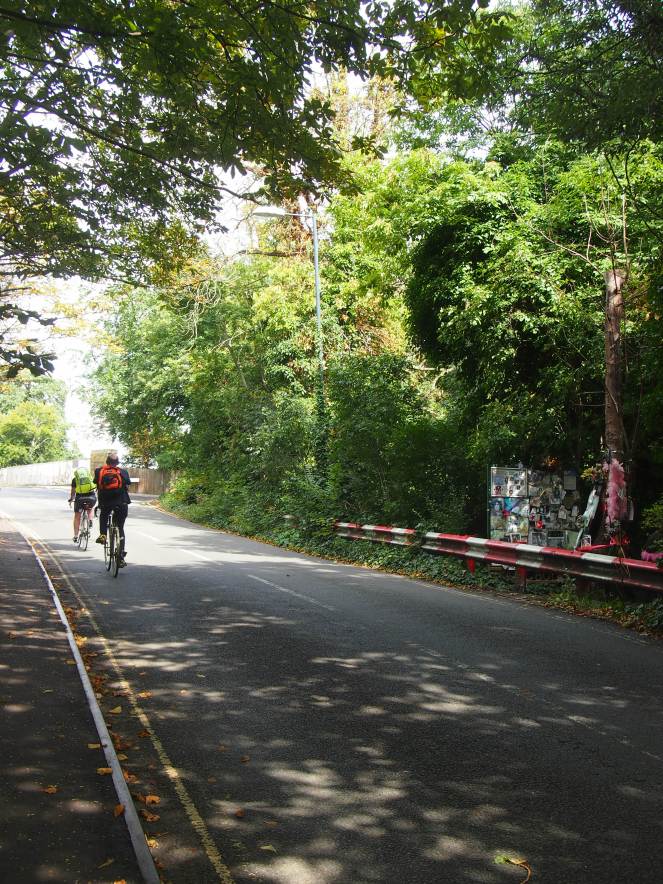
Scenes of tragic road traffic accidents are very often turned into temporary shrines – loved ones of the unfortunate individual killed leave flowers and other tributes at the site.  Sometimes, these little shrines are maintained for years – in my hometown of Preston I still often go past a regularly replenished floral tribute at a set of traffic lights where a lady was killed in an accident in 2004.  One such shrine in south west London has become a permanent fixture and a place of pilgrimage for fans of man it commemorates, the musician Marc Bolan, most famously the frontman of glam rock band T. Rex, who was killed in a car crash on Queen’s Ride in Barnes in 1977.

OLYMPUS DIGITAL CAMERA

Continue reading “Marc Bolan’s rock shrine – a place of modern-day pilgrimage”

17th Century · 18th Century · Wandsworth

Mount Nod: the almost forgotten resting place of Wandsworth’s Huguenots

Marooned on an island between two busy stretches of road in south west London is a little known burial ground that tells a small part of the long and complex story of London’s immigrants.  The name of one of the adjoining streets gives away this connection: Huguenot Place.

OLYMPUS DIGITAL CAMERA

Continue reading “Mount Nod: the almost forgotten resting place of Wandsworth’s Huguenots”

1st-5th Centuries · City of London

A Roman house and baths hidden under the streets of London

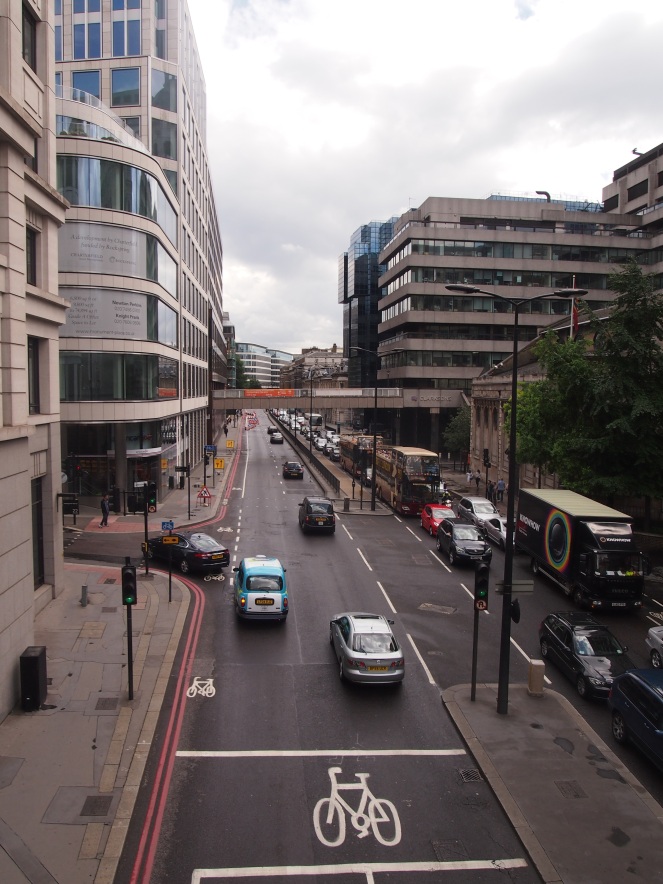
Lower Thames Street isn’t exactly a promising-looking place when it comes to searching for relics of Roman-era London.  The wide, busy road cuts through the City, and the buildings that line it are mostly modern, concrete and uninspiring.  Yet underneath one of these buildings something wonderful has been preserved: the ruins of a Roman bath house.

OLYMPUS DIGITAL CAMERA

Continue reading “A Roman house and baths hidden under the streets of London”

19th Century · Bowness-on-Windermere

“Thy touch alone unbounds the chains of slavery” – an unusual grave in the Lake District

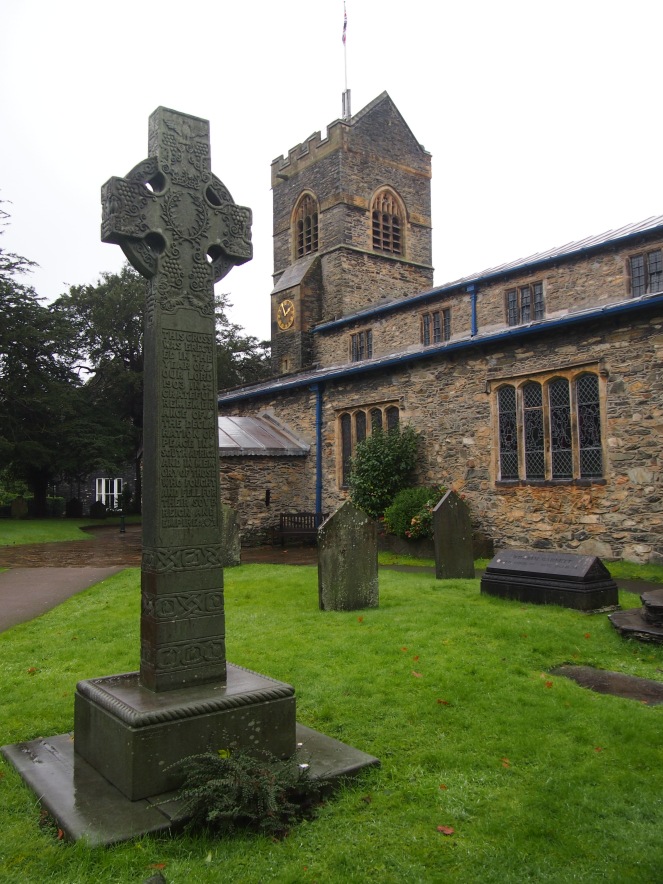
Having a tendency to explore old graveyards and spend time reading the gravestones may seem morbid to some, but over time I’ve come across many amazing and unusual stories that – but for the survival of a tombstone – would otherwise have faded from history. I have often visited the Lake District with my family and, as it’s only an hour’s drive away from the family home in Lancashire, Bowness-on-Windermere has always been a favourite destination of ours. It was on one of these visits that, rather than walking past the church of St Martin on our way down to the waterside, I suggested we stop and look around the churchyard.

OLYMPUS DIGITAL CAMERA

Continue reading ““Thy touch alone unbounds the chains of slavery” – an unusual grave in the Lake District”