19th Century · 20th Century · Reykjavik

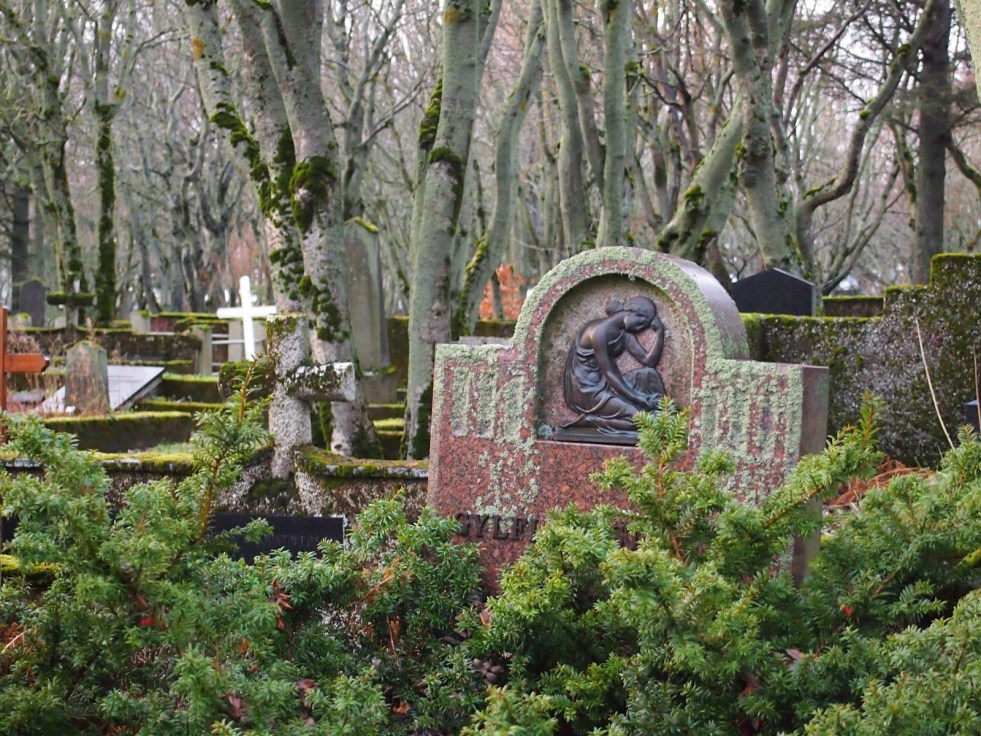
“The largest and oldest museum in Reykjavik” – Hólavallagarður cemetery

A number of posts I’ve written for this blog so far have focused on graveyards, particularly the grand Victorian graveyards of London.  However, the graveyard featured in this post lies 1,000 miles from London, on a quiet hillside in Reykjavik, the capital of Iceland.

PB141064

Unlike Britain, Iceland has no long history of cities as we would recognise them.  Settled by the Vikings in the late 9th Century, Iceland has always had a small population (today it is around 300,000) and settlements tended to be small.  Reykjavik has long been settled – today, one can visit the remains of a 10th Century longhouse discovered during demolition works in the 20th Century – but it only began life as a town in the mid-18th Century.  The oldest buildings in the city are on Aðalstræti (“main street”), close to where the Viking longhouse is situated.

Continue reading ““The largest and oldest museum in Reykjavik” – Hólavallagarður cemetery”
19th Century · Chelsea

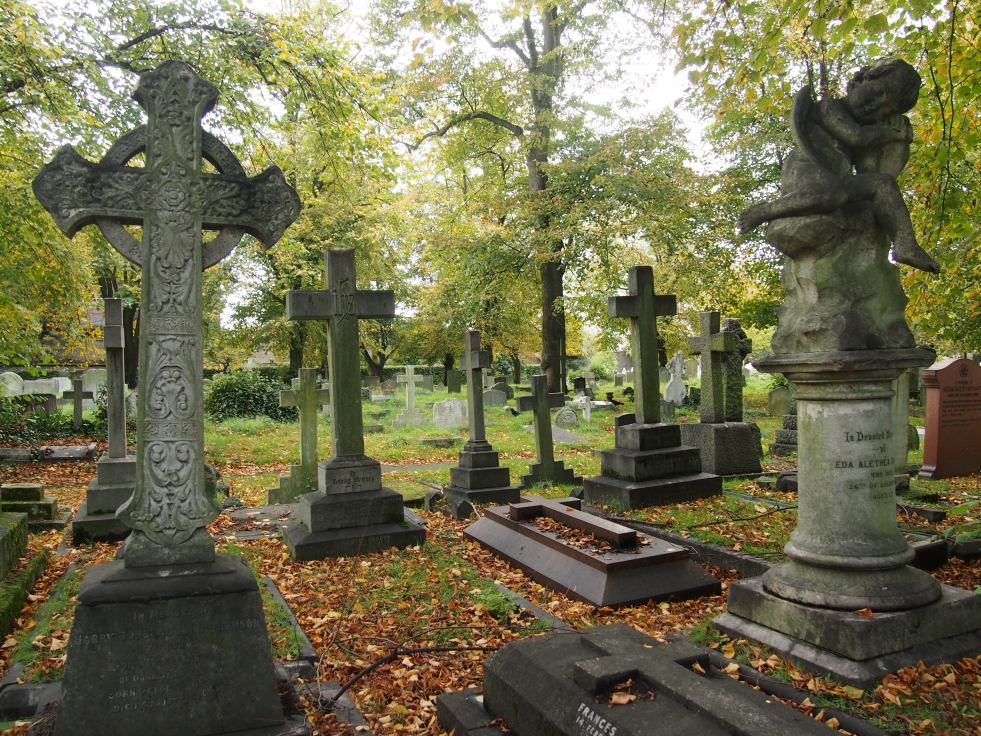
Brompton Cemetery, an open-air cathedral of remembrance

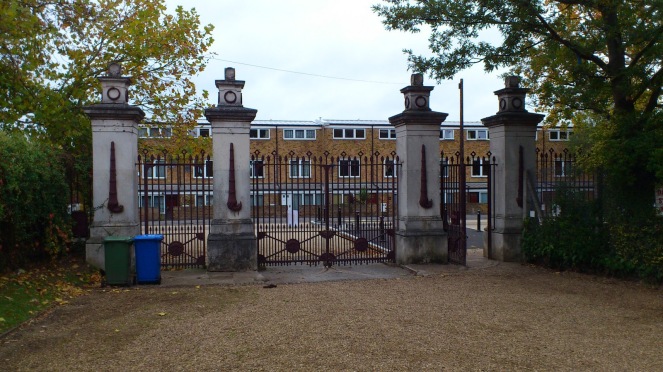
A couple of weekends ago, I was invited to attend an event being held as part of the London Month of the Dead at Brompton Cemetery in west London.  The main cemetery entrance is on Old Brompton Road, not far from Earl’s Court station, in that slightly ragged edge of town where Chelsea, Fulham and Kensington meet, and where genteel houses make way for seedy hotels and dreary bedsits with grimy windows.  Behind high railings, and through an imposing gateway, is one of London’s Magnificent Seven cemeteries.

OLYMPUS DIGITAL CAMERA

Continue reading “Brompton Cemetery, an open-air cathedral of remembrance”

19th Century · Clerkenwell

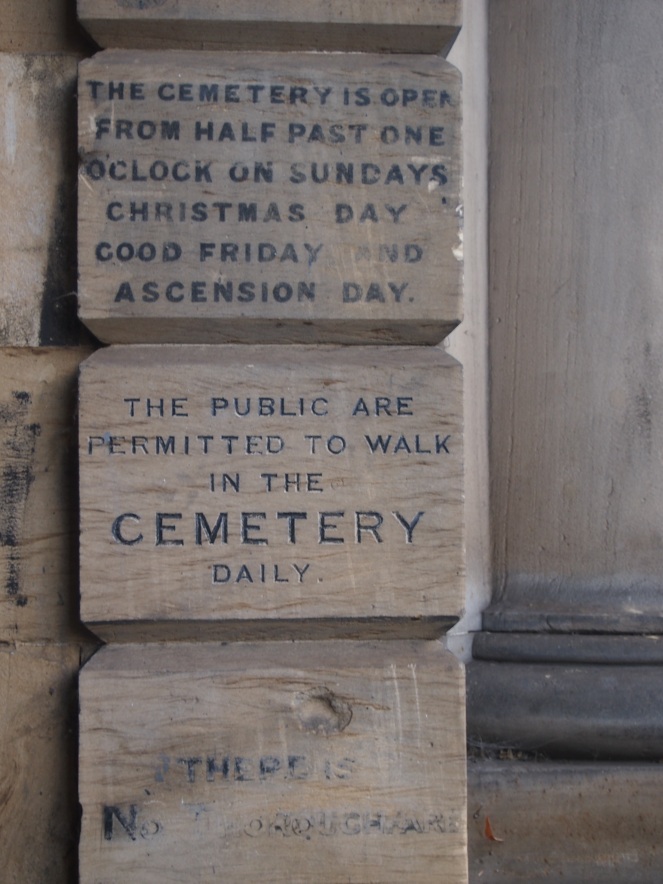
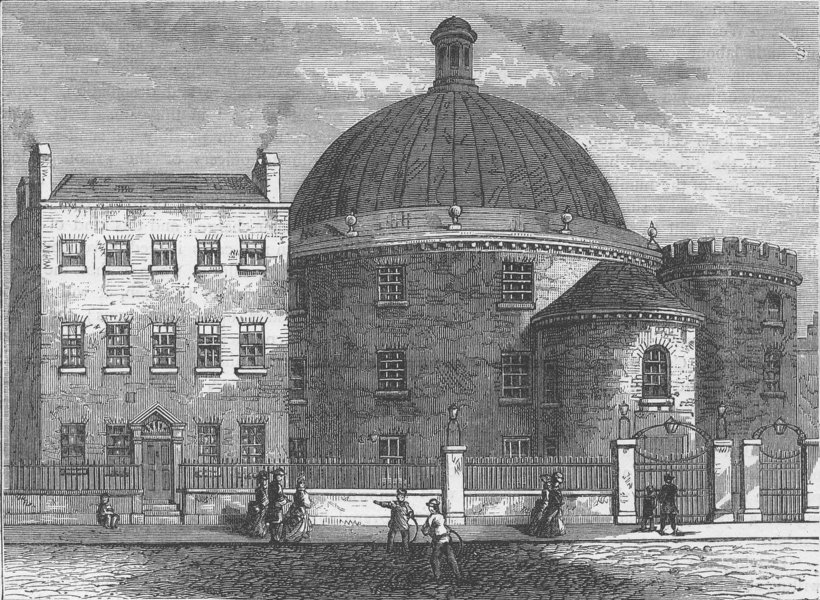
Among the rioters and resurrectionists: the turbulent history of Spa Fields

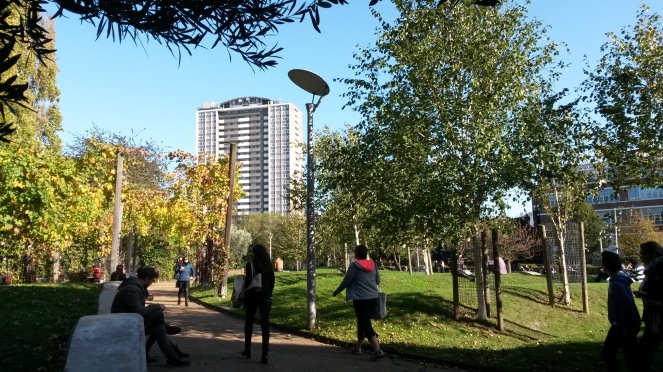
Situated just to the south of trendy Exmouth Market, Spa Fields in Clerkenwell is today a park that is enjoyed by locals and office workers alike, a rare green space in an area filled with offices, tower blocks and retail units. Only a couple of plaques installed by Islington Council give any indication of the area’s raucous and sometimes dark history.

20141027_124133

Continue reading “Among the rioters and resurrectionists: the turbulent history of Spa Fields”

13th Century · 17th Century · 19th Century · Winchester

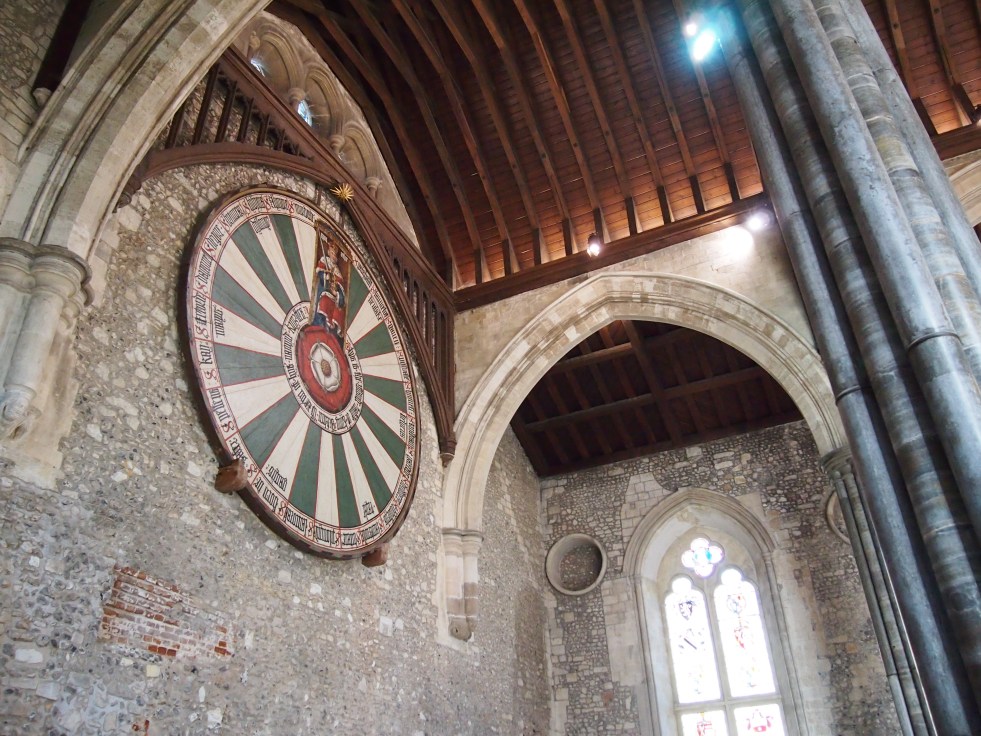
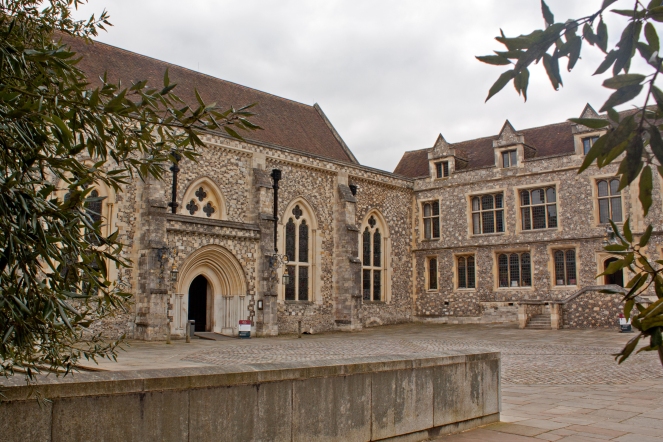
The many reinventions of Winchester Castle’s Great Hall

Winchester, England’s ancient capital, is home to a great many fascinating old buildings.  The area was originally settled in the Iron Age, then became the Roman town of Venta Belgarum and there has been a cathedral in the city since the 7th Century.  King Alfred the Great was buried at Winchester and his links with the city are commemorated by an imposing Victorian statue of him in the city centre.  Visitors to the city flock to the grand Gothic cathedral and its beautiful cathedral close , the medieval almshouses of St Cross and Winchester Castle’s Great Hall, which is the subject of today’s blog post.

Winchester Great Hall (Image by Johan Bakker on Wikimedia Commons)

Continue reading “The many reinventions of Winchester Castle’s Great Hall”

17th Century · 19th Century · Stanmore

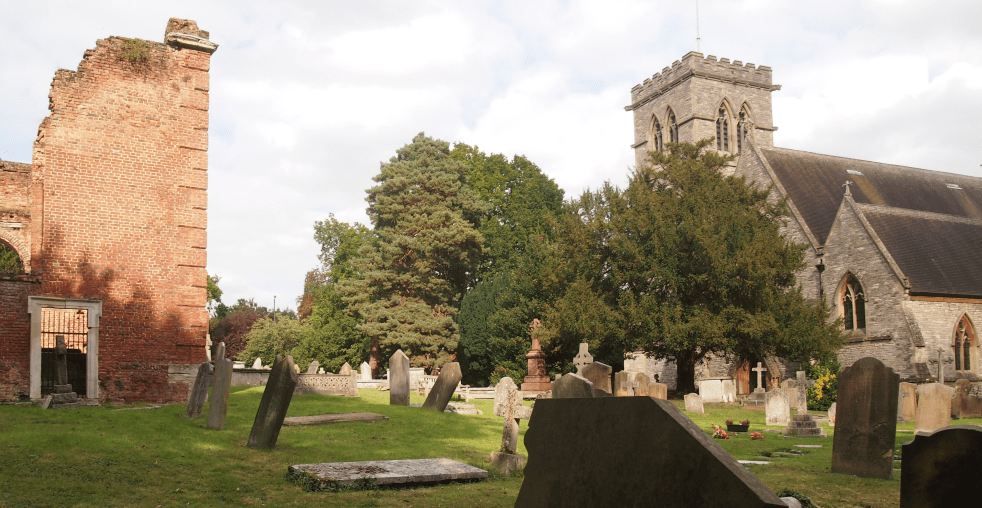
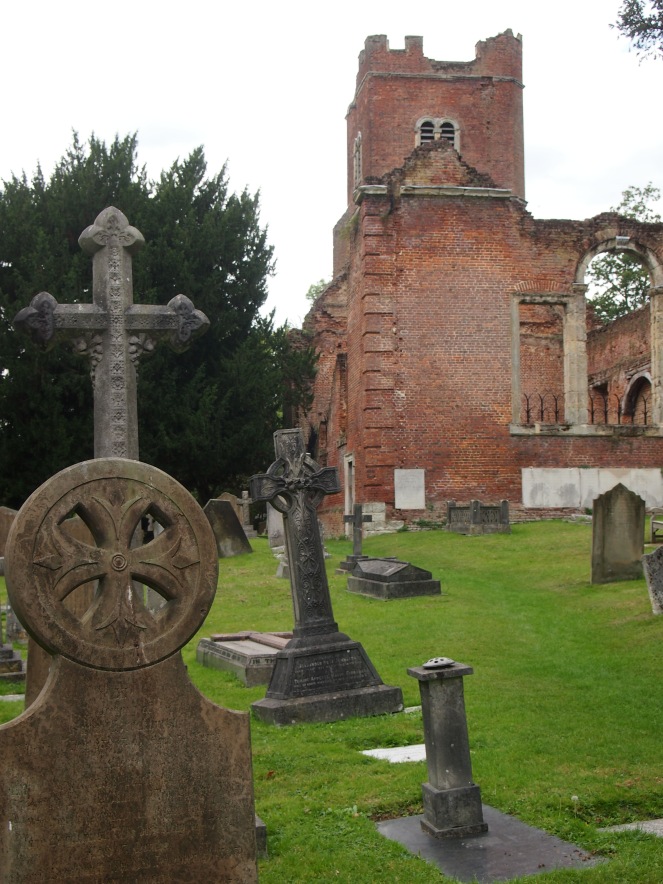
The ruin next door: exploring the Brick Church of St John the Evangelist, Stanmore

London is home to a number of ruined churches – in the City of London alone there are several, victims of the bombing raids of the Luftwaffe in the Second World War.  However, not all of the ruined churches of Greater London are victims of the Blitz.  In Stanmore, a comfortable suburb at the top of the Jubilee Line, another ruined church can be found alongside its Victorian successor.  The current parish church of St John the Evangelist was built in the mid-19th Century, but the picturesque ruins of the 17th Century church it replaced still survive in the church’s large burial ground.

The burial ground is a tranquil place, despite being close to a busy main road. Numerous squirrels darted in and out of the gravestones and a pair of magpies strutted around, while pigeons cooed softly, hidden from sight.  It was a humid September day when I visited, with shafts of sunlight shining through the clouds.  For an hour or so I had the place to myself, before the ruin was opened for the afternoon.

OLYMPUS DIGITAL CAMERA

Continue reading “The ruin next door: exploring the Brick Church of St John the Evangelist, Stanmore”

19th Century · Bowness-on-Windermere

“Thy touch alone unbounds the chains of slavery” – an unusual grave in the Lake District

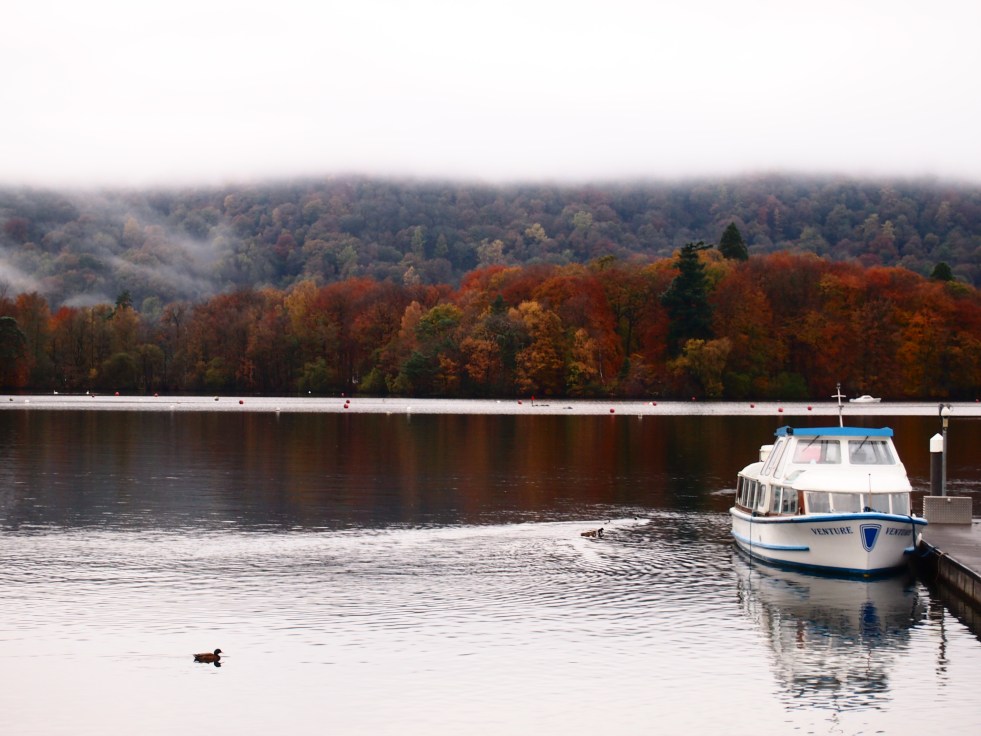
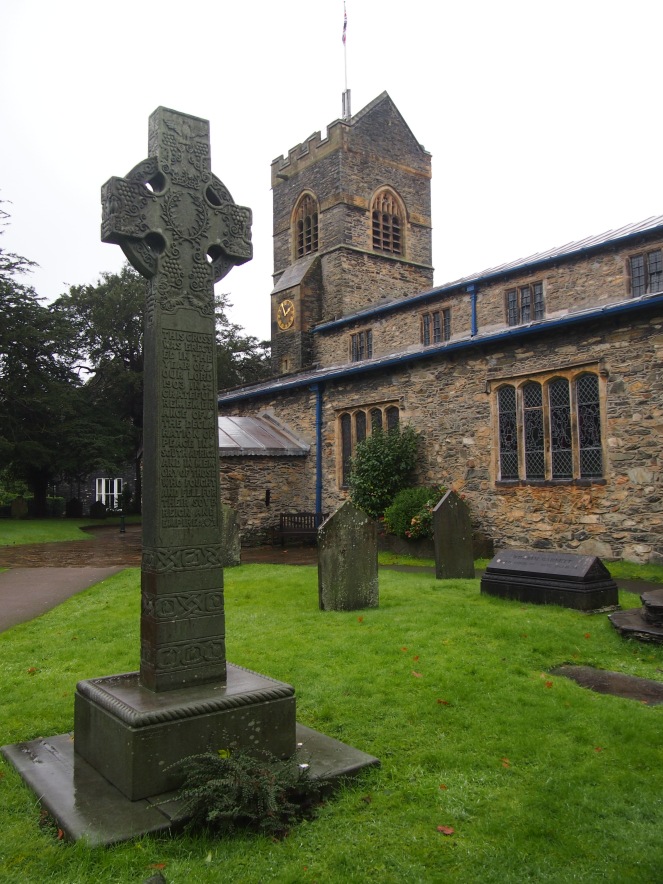
Having a tendency to explore old graveyards and spend time reading the gravestones may seem morbid to some, but over time I’ve come across many amazing and unusual stories that – but for the survival of a tombstone – would otherwise have faded from history. I have often visited the Lake District with my family and, as it’s only an hour’s drive away from the family home in Lancashire, Bowness-on-Windermere has always been a favourite destination of ours. It was on one of these visits that, rather than walking past the church of St Martin on our way down to the waterside, I suggested we stop and look around the churchyard.

OLYMPUS DIGITAL CAMERA

Continue reading ““Thy touch alone unbounds the chains of slavery” – an unusual grave in the Lake District”

19th Century · City of London

The Postman’s Park and the Memorial to Heroic Self-Sacrifice

London’s Square Mile is notoriously short of green space.  A crowded maze of winding streets for many centuries, the City of  London was originally bound by the ancient Roman walls and as the city expanded open spaces became further and further away for those living in the dirty and overcrowded centre of town.  Although the Royal Parks of London have a longer history, it was the Victorians who first advocated a wider movement for open spaces in Britain’s industrialising towns and cities.  Much of the reasoning behind the parks movement came from the belief that the widespread disease in urban areas came from dirty air – or ‘miasma’ – and parks were seen as a way to improve the health of those who could not afford gardens or country retreats of their own.

100_1348

Continue reading “The Postman’s Park and the Memorial to Heroic Self-Sacrifice”

19th Century · Barnes

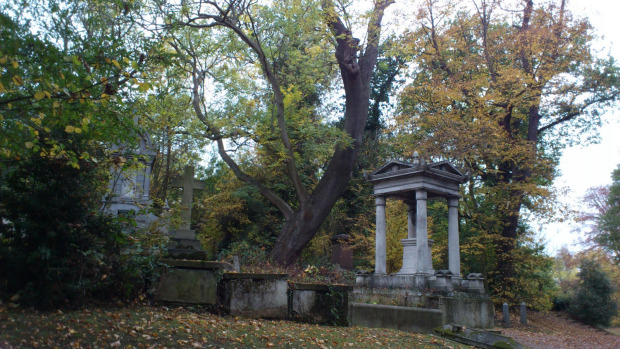
Barnes Old Cemetery: an abandoned graveyard being reclaimed by nature

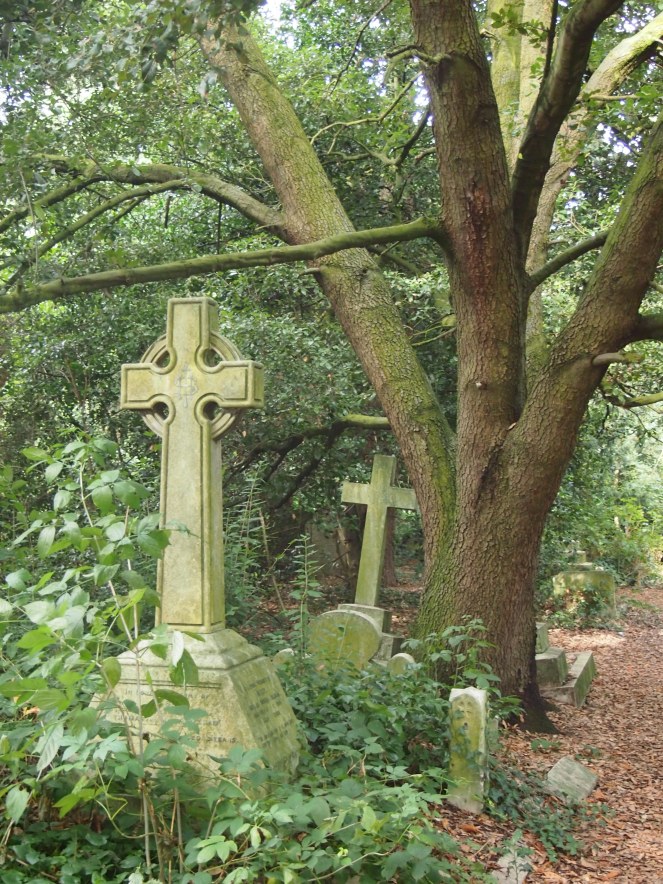
Barnes Old Cemetery is elusive.  There’s not much information about it to be found online, and it hides amongst the trees close to the tennis courts on Rocks Lane – most people using the courts or passing in the car or on the bus probably have no idea that it’s there.

OLYMPUS DIGITAL CAMERA

Continue reading “Barnes Old Cemetery: an abandoned graveyard being reclaimed by nature”

19th Century · Nunhead

A hidden gem in south east London: Nunhead Cemetery

Nunhead is arguably the least well known of London’s “Magnificent Seven” Victorian cemeteries.  Like many of South East London’s interesting old sites, it often gets overlooked due to its lack of a nearby Tube station, although it’s actually a short walk from Nunhead Rail station, which is three stops from London Victoria.

DSC_0106
The Linden Grove entrance to Nunhead Cemetery.

Continue reading “A hidden gem in south east London: Nunhead Cemetery”

19th Century · Camden

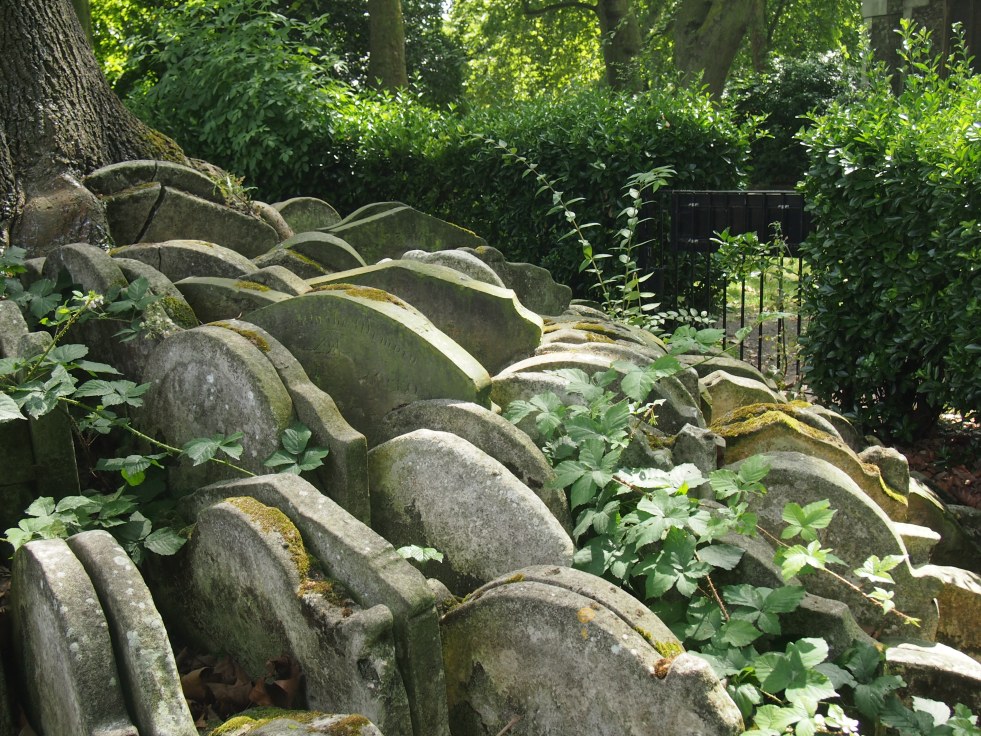
Exploring the ancient church and burial ground of Old St Pancras

In the shadows of the international terminal at St Pancras Station, close enough for platform announcements to be heard, is a tiny old church which has a history that supposedly stretches back almost as far as St Pancras himself.  St Pancras was a Roman martyr who was beheaded in about 304AD for his Christian beliefs, and the church claims that the site has been a place of Christian worship since the 4th Century.  Until the 19th Century, Old St Pancras was a rural church, close to the River Fleet, but today it is nestled in amongst the railway infrastructure of St Pancras and the houses and flats of Somers Town. When approaching the church, the first thing that struck me was how high the ground level of the churchyard is compared to its surroundings.

OLYMPUS DIGITAL CAMERA

Continue reading “Exploring the ancient church and burial ground of Old St Pancras”