19th Century · Chelsea

Brompton Cemetery, an open-air cathedral of remembrance

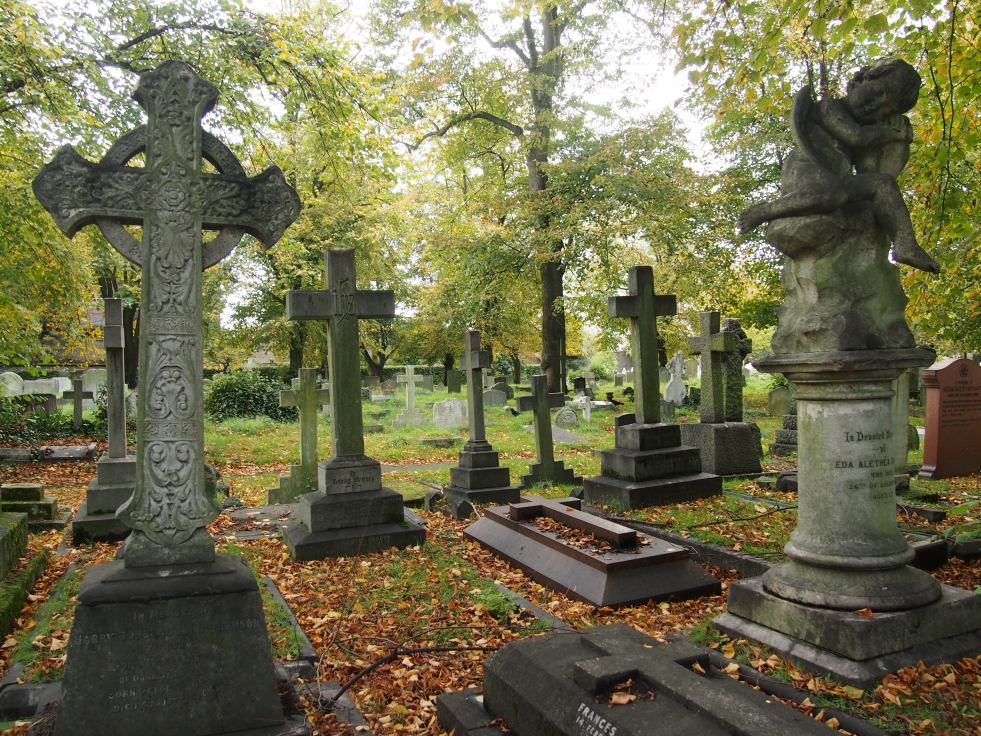
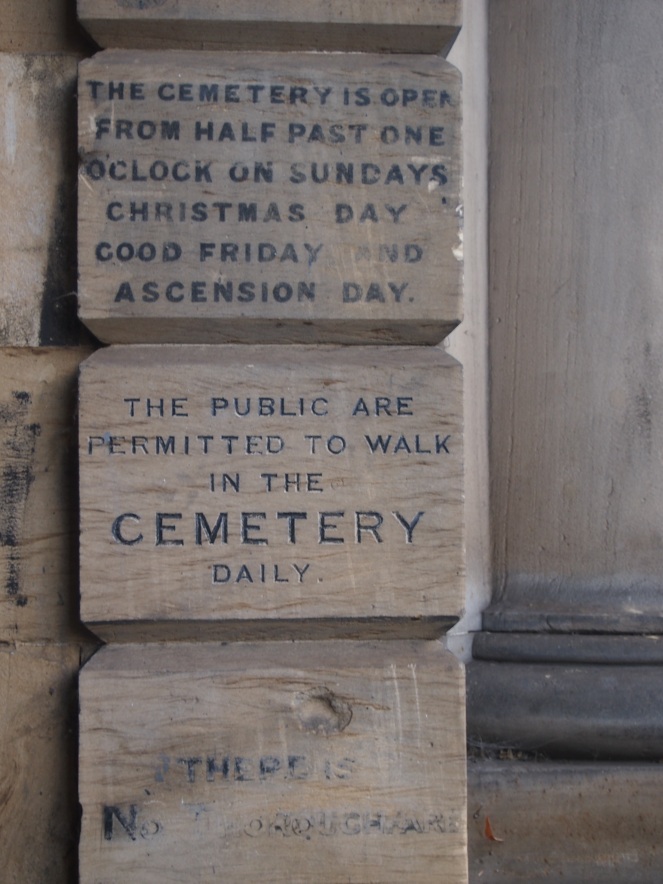
A couple of weekends ago, I was invited to attend an event being held as part of the London Month of the Dead at Brompton Cemetery in west London.  The main cemetery entrance is on Old Brompton Road, not far from Earl’s Court station, in that slightly ragged edge of town where Chelsea, Fulham and Kensington meet, and where genteel houses make way for seedy hotels and dreary bedsits with grimy windows.  Behind high railings, and through an imposing gateway, is one of London’s Magnificent Seven cemeteries.
OLYMPUS DIGITAL CAMERA

Continue reading “Brompton Cemetery, an open-air cathedral of remembrance”
19th Century · Clerkenwell

Among the rioters and resurrectionists: the turbulent history of Spa Fields

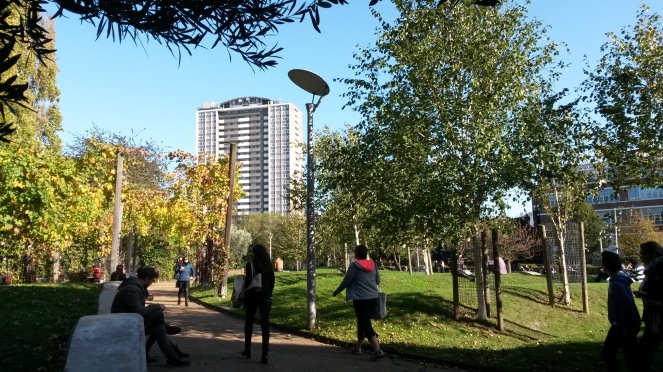
Situated just to the south of trendy Exmouth Market, Spa Fields in Clerkenwell is today a park that is enjoyed by locals and office workers alike, a rare green space in an area filled with offices, tower blocks and retail units. Only a couple of plaques installed by Islington Council give any indication of the area’s raucous and sometimes dark history.

20141027_124133

Continue reading “Among the rioters and resurrectionists: the turbulent history of Spa Fields”

17th Century · 18th Century · City of London

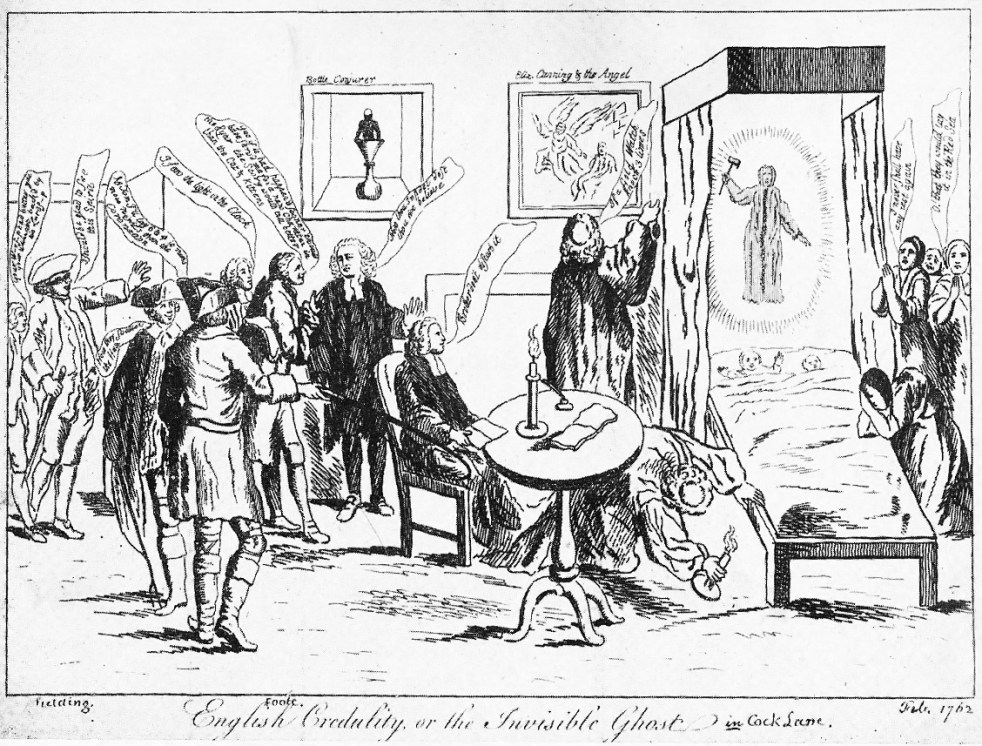
Pye Corner: Flames, poltergeists and bodysnatchers

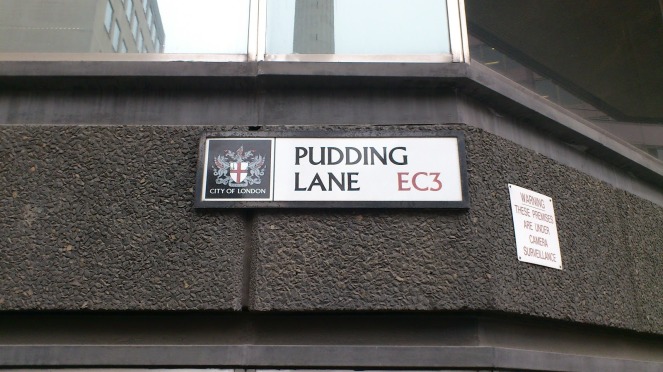
Pye Corner, the site where the Great Fire of London famously came to an end in 1666, has a long and grisly history of which the Great Fire is only one chapter.  Accounts of the Great Fire tell us that the Fire began at a bakery in Pudding Lane and ended three days later (having consumed 13,000 houses and 87 churches) at Pye Corner.  Christopher Wren’s towering Monument to the Great Fire of London is close to Pudding Lane, but where is Pye Corner?

DSC_0382

Continue reading “Pye Corner: Flames, poltergeists and bodysnatchers”

16th Century · 20th Century · Clerkenwell

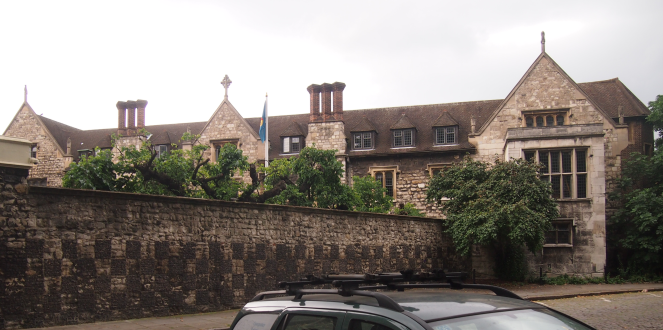
Behind the high walls of London’s Charterhouse

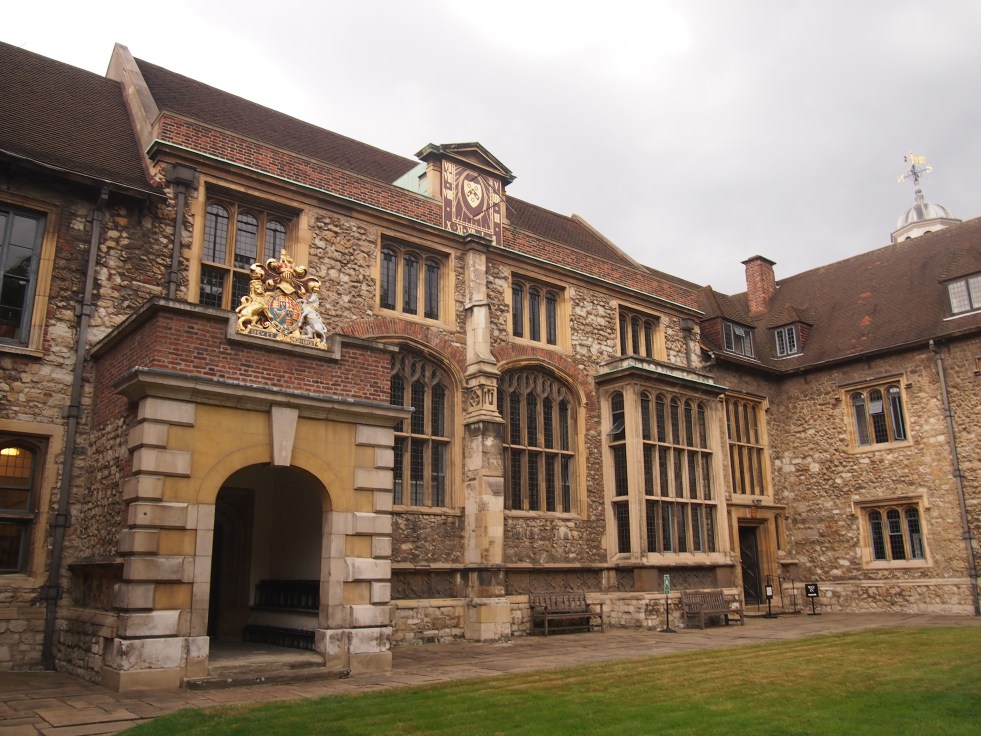
Hidden behind high walls, the Charterhouse in Clerkenwell exudes an air of mystery – at least to those who, like me, spend their lunchbreaks wandering around the interesting old places close to their place of work.  The Charterhouse is only open to the public for pre-booked guided tours, but a few weeks ago I was fortunate enough to be able to visit the Charterhouse to attend a wonderful lecture about the history of the site by the Charterhouse’s head archivist, Dr Stephen Porter.

P7207517crop
The view from Charterhouse Square

Continue reading “Behind the high walls of London’s Charterhouse”

20th Century · Barnes

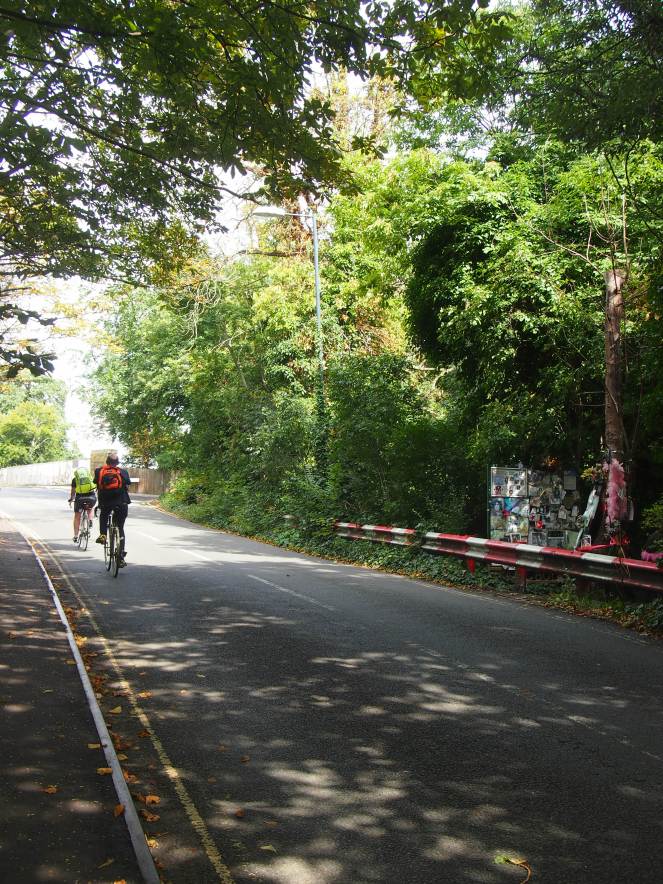
Marc Bolan’s rock shrine – a place of modern-day pilgrimage

Scenes of tragic road traffic accidents are very often turned into temporary shrines – loved ones of the unfortunate individual killed leave flowers and other tributes at the site.  Sometimes, these little shrines are maintained for years – in my hometown of Preston I still often go past a regularly replenished floral tribute at a set of traffic lights where a lady was killed in an accident in 2004.  One such shrine in south west London has become a permanent fixture and a place of pilgrimage for fans of man it commemorates, the musician Marc Bolan, most famously the frontman of glam rock band T. Rex, who was killed in a car crash on Queen’s Ride in Barnes in 1977.

OLYMPUS DIGITAL CAMERA

Continue reading “Marc Bolan’s rock shrine – a place of modern-day pilgrimage”

17th Century · 18th Century · Wandsworth

Mount Nod: the almost forgotten resting place of Wandsworth’s Huguenots

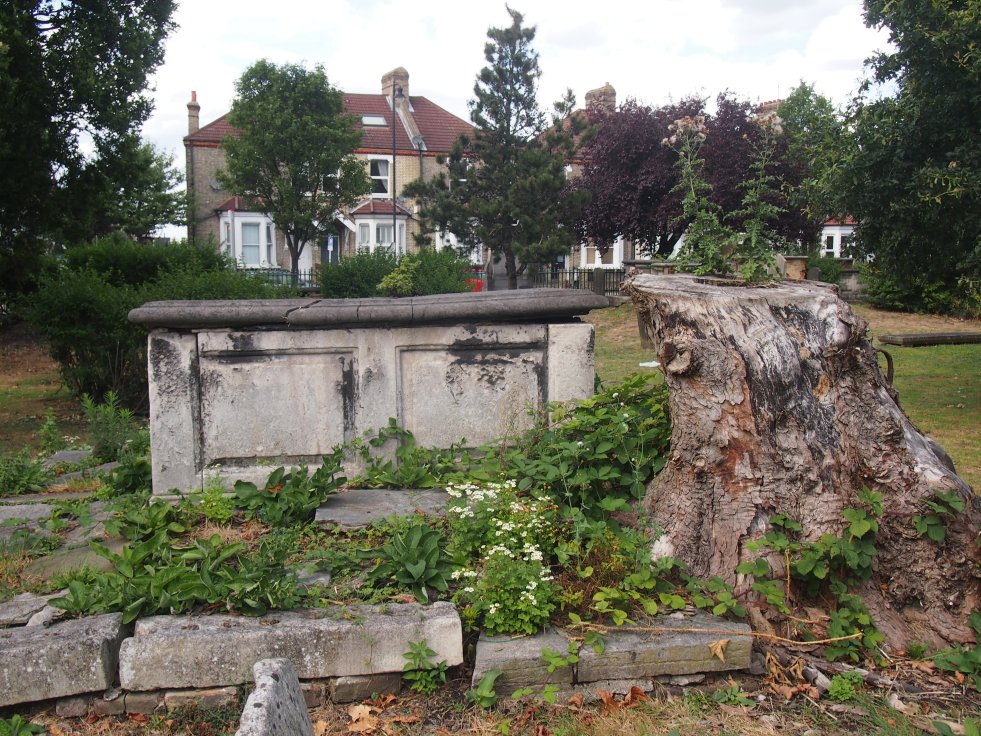
Marooned on an island between two busy stretches of road in south west London is a little known burial ground that tells a small part of the long and complex story of London’s immigrants.  The name of one of the adjoining streets gives away this connection: Huguenot Place.

OLYMPUS DIGITAL CAMERA

Continue reading “Mount Nod: the almost forgotten resting place of Wandsworth’s Huguenots”

1st-5th Centuries · City of London

A Roman house and baths hidden under the streets of London

Lower Thames Street isn’t exactly a promising-looking place when it comes to searching for relics of Roman-era London.  The wide, busy road cuts through the City, and the buildings that line it are mostly modern, concrete and uninspiring.  Yet underneath one of these buildings something wonderful has been preserved: the ruins of a Roman bath house.

OLYMPUS DIGITAL CAMERA

Continue reading “A Roman house and baths hidden under the streets of London”

19th Century · City of London

The Postman’s Park and the Memorial to Heroic Self-Sacrifice

London’s Square Mile is notoriously short of green space.  A crowded maze of winding streets for many centuries, the City of  London was originally bound by the ancient Roman walls and as the city expanded open spaces became further and further away for those living in the dirty and overcrowded centre of town.  Although the Royal Parks of London have a longer history, it was the Victorians who first advocated a wider movement for open spaces in Britain’s industrialising towns and cities.  Much of the reasoning behind the parks movement came from the belief that the widespread disease in urban areas came from dirty air – or ‘miasma’ – and parks were seen as a way to improve the health of those who could not afford gardens or country retreats of their own.

100_1348

Continue reading “The Postman’s Park and the Memorial to Heroic Self-Sacrifice”

19th Century · Barnes

Barnes Old Cemetery: an abandoned graveyard being reclaimed by nature

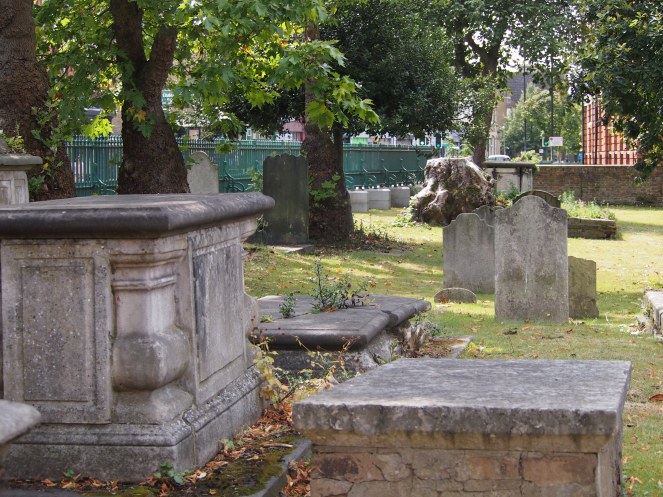
Barnes Old Cemetery is elusive.  There’s not much information about it to be found online, and it hides amongst the trees close to the tennis courts on Rocks Lane – most people using the courts or passing in the car or on the bus probably have no idea that it’s there.

OLYMPUS DIGITAL CAMERA

Continue reading “Barnes Old Cemetery: an abandoned graveyard being reclaimed by nature”

20th Century · Stoke Newington

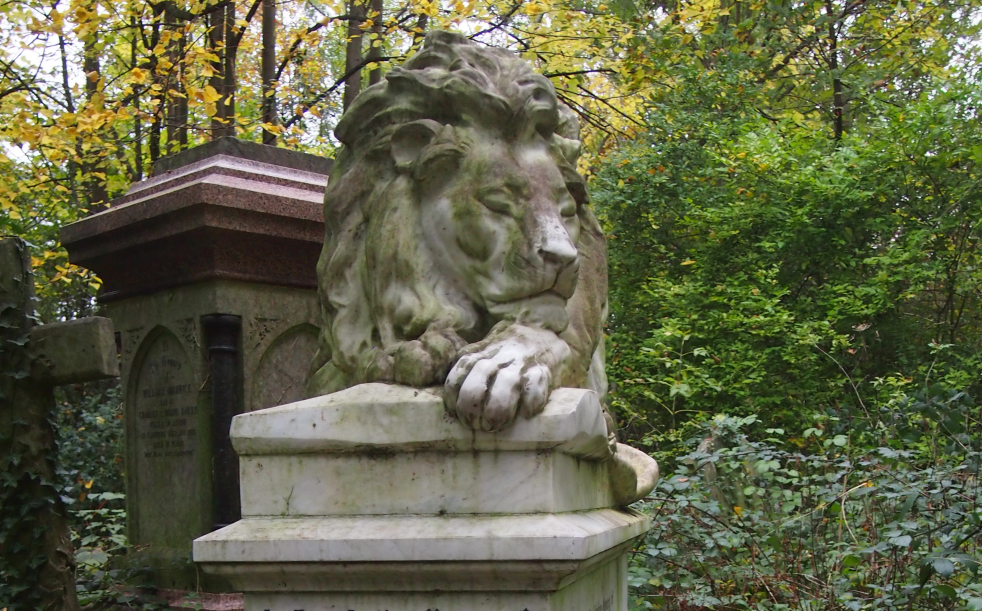
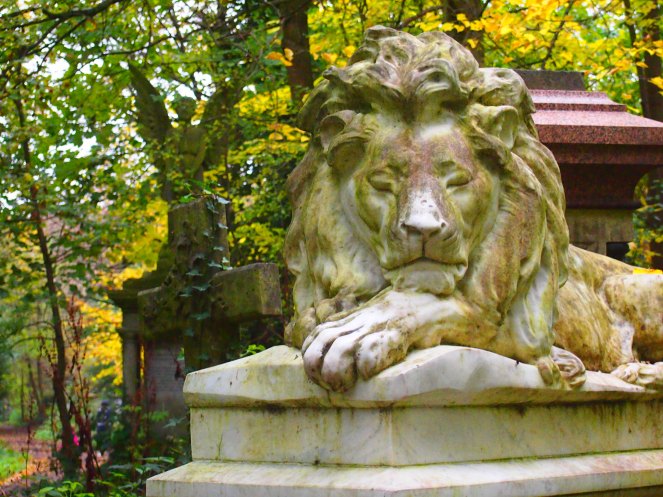
The menagerist’s memorial: the story behind Abney Park’s marble lion

Among the trees and memorials of Abney Park cemetery in Stoke Newington, a huge white marble lion sleeps peacefully.  This beautiful tomb marks the final resting place of one of the great showmen from the turn of the 20th century, “The Animal King” Frank C Bostock.  By the time of his death in 1912, Frank’s wildly popular menageries had toured all over Europe and America.

OLYMPUS DIGITAL CAMERA

Continue reading “The menagerist’s memorial: the story behind Abney Park’s marble lion”