20th Century · East Sheen

East Sheen Cemetery and the “Angel of Death”

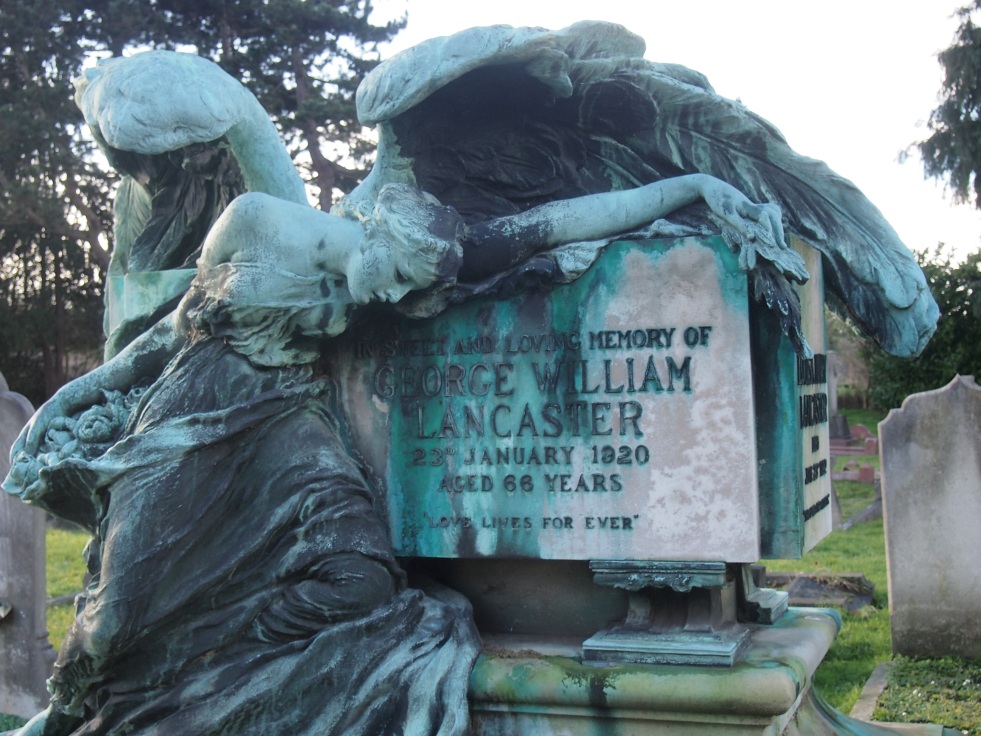
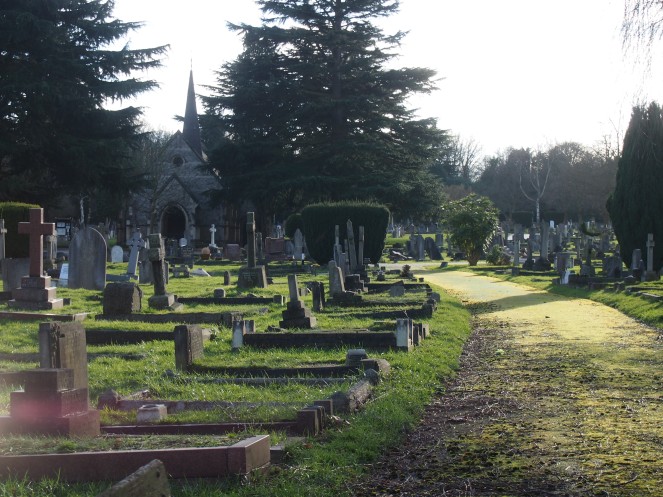
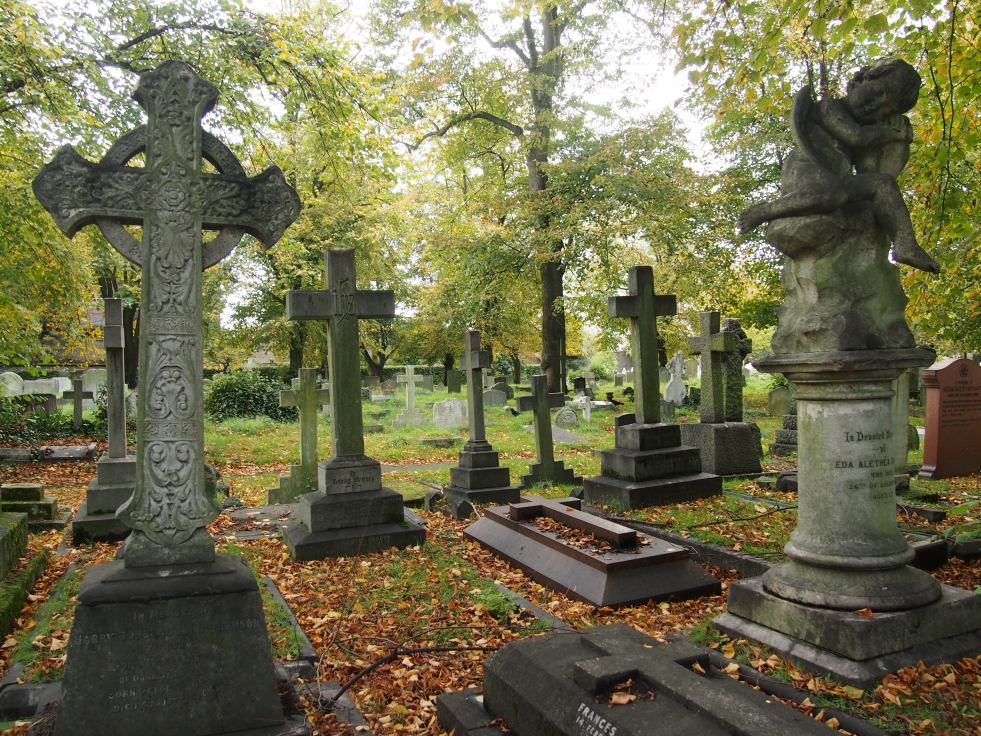
Opened in the early 1900s in a well-heeled area on the edge of Richmond Park, East Sheen Cemetery seems at first to be an entirely typical 20th Century burial ground, its paths lined by stone and marble monuments, sheltered by pine trees.  Sadly, it’s suffered from vandalism over the years and a number of crosses and headstones have fallen or been pushed over.

OLYMPUS DIGITAL CAMERA

However, there is a dramatic surprise waiting for visitors to this otherwise unassuming cemetery.

Continue reading “East Sheen Cemetery and the “Angel of Death””

12th Century · 17th Century · Southwell

Pepperpot towers, Gothic splendour and Parisian stained glass: exploring Southwell Minster

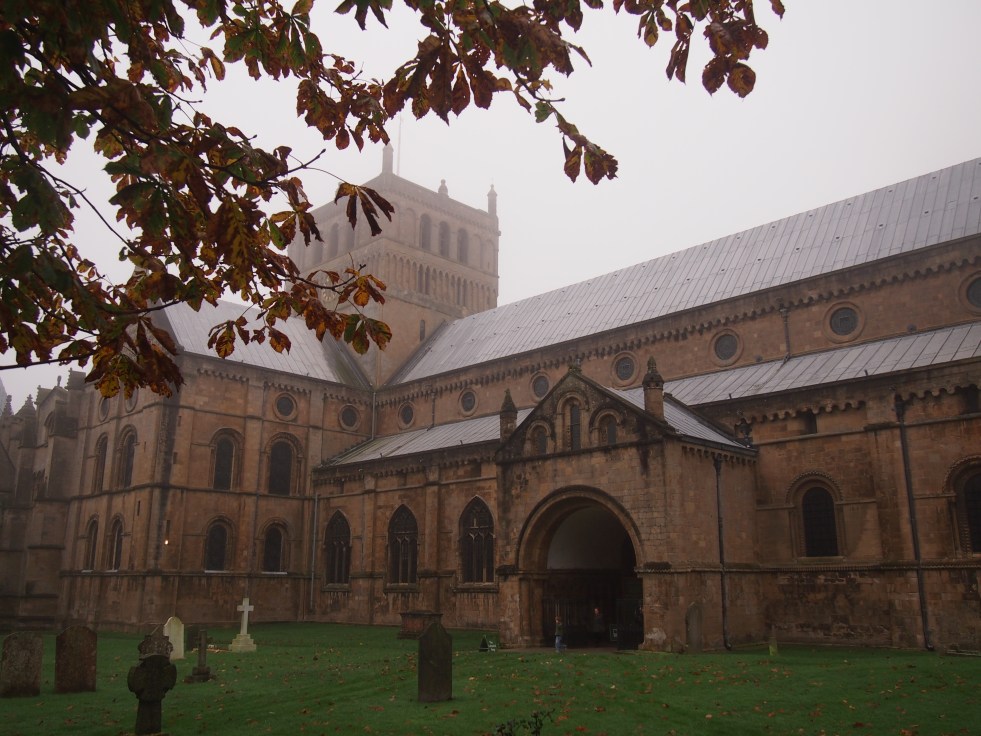
A few weeks ago, I was spending the weekend with old friends in Sheffield, and on the Saturday afternoon we drove out to Southwell, a pretty little town in Nottinghamshire.  I wasn’t sure what to expect – my friend had sold Southwell to me as a beautiful and interesting historic town, but I had no idea of the magnificent gem at the heart of Southwell – the Minster.

OLYMPUS DIGITAL CAMERA

Continue reading “Pepperpot towers, Gothic splendour and Parisian stained glass: exploring Southwell Minster”

13th Century · Pennygown

Pennygown: the ruined chapel and medieval effigies of a Hebridean burial ground

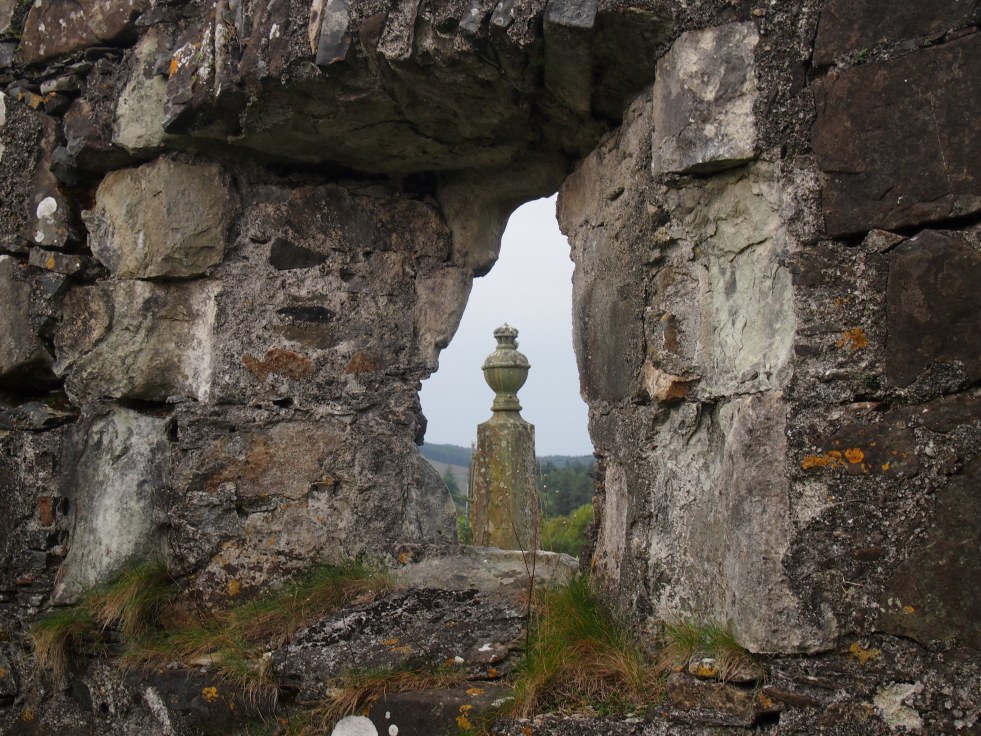
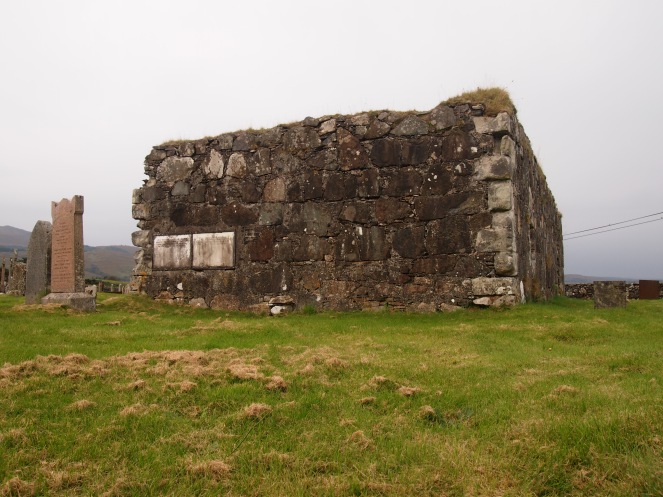
I first came across the ruined chapel whilst on a wildlife trek – we had stopped near the little town of Salen to watch harbour porpoises in the Sound of Mull.  Intrigued as I was by the ruined chapel and its surrounding burial ground, there wasn’t time to stop and explore and I had to return a few days later to get a good look around the site.  My stay on the beautiful Scottish island of Mull had been blessed with warm sunshine, but on the final day of my trip – when I finally had time to visit the chapel and the burial ground surrounding it – the clouds had arrived.

OLYMPUS DIGITAL CAMERA

This is Pennygown burial ground, and it is still used by the people of the Mull today.

Continue reading “Pennygown: the ruined chapel and medieval effigies of a Hebridean burial ground”

19th Century · 20th Century · Stoke Newington

Autumn comes to Abney Park

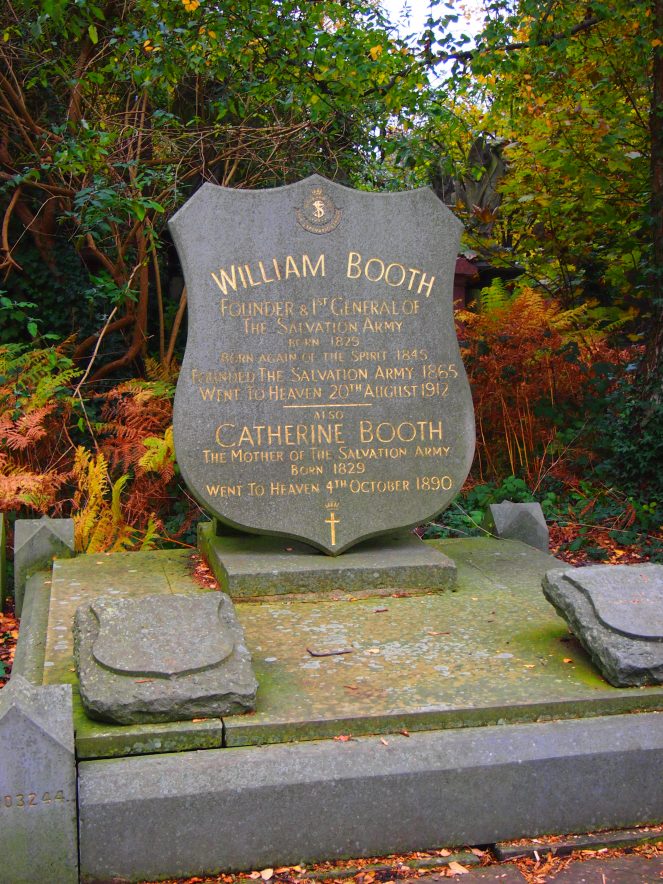
What better thing to do on a chilly Sunday afternoon than explore a beautiful old cemetery?  Abney Park in Stoke Newington is one of London’s gems – as well as being one of the city’s “Magnificent Seven” Victorian cemeteries, it’s a peaceful space that members of the local community have worked hard to make into a welcoming place for visitors.  It was founded in 1840 as the first completely non-denominational burial ground in England and is the final resting place of many well-known nonconformists.  Bunhill Fields, which for nearly two centuries had been the main site for nonconformist burials in London, closed in 1854, and Abney Park took over as the most prominent burial place of nonconformists.  Probably the most famous people to be buried at Abney Park are William and Catherine Booth, founders of the Salvation Army.

OLYMPUS DIGITAL CAMERA

Continue reading “Autumn comes to Abney Park”

19th Century · 20th Century · Reykjavik

“The largest and oldest museum in Reykjavik” – Hólavallagarður cemetery

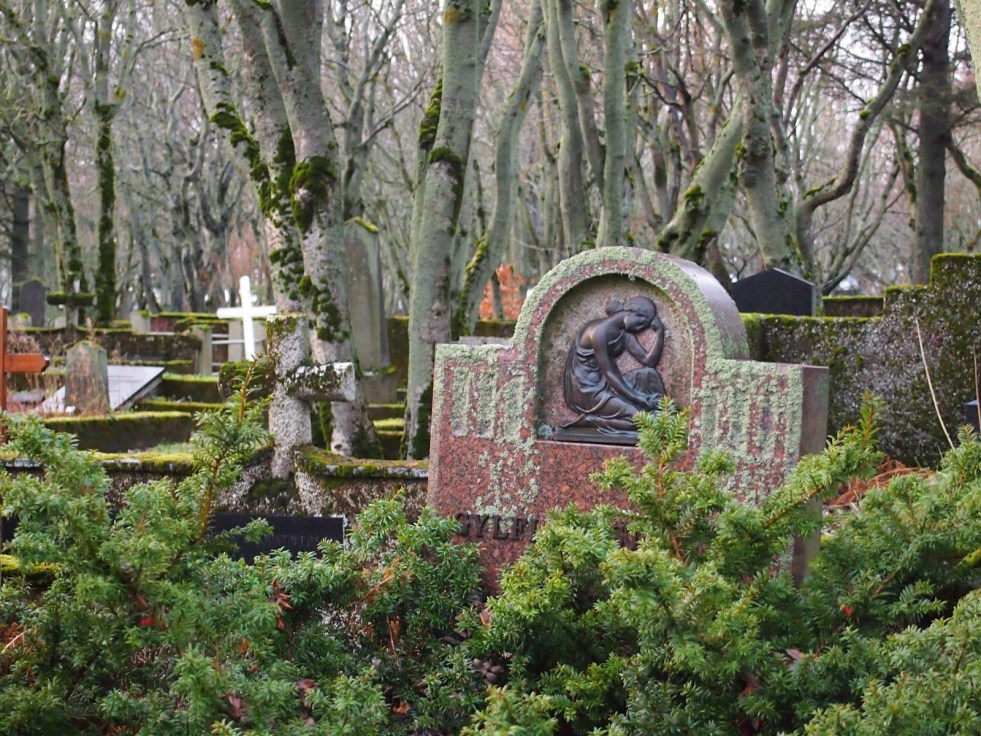
A number of posts I’ve written for this blog so far have focused on graveyards, particularly the grand Victorian graveyards of London.  However, the graveyard featured in this post lies 1,000 miles from London, on a quiet hillside in Reykjavik, the capital of Iceland.

PB141064

Unlike Britain, Iceland has no long history of cities as we would recognise them.  Settled by the Vikings in the late 9th Century, Iceland has always had a small population (today it is around 300,000) and settlements tended to be small.  Reykjavik has long been settled – today, one can visit the remains of a 10th Century longhouse discovered during demolition works in the 20th Century – but it only began life as a town in the mid-18th Century.  The oldest buildings in the city are on Aðalstræti (“main street”), close to where the Viking longhouse is situated.

Continue reading ““The largest and oldest museum in Reykjavik” – Hólavallagarður cemetery”

19th Century · Chelsea

Brompton Cemetery, an open-air cathedral of remembrance

A couple of weekends ago, I was invited to attend an event being held as part of the London Month of the Dead at Brompton Cemetery in west London.  The main cemetery entrance is on Old Brompton Road, not far from Earl’s Court station, in that slightly ragged edge of town where Chelsea, Fulham and Kensington meet, and where genteel houses make way for seedy hotels and dreary bedsits with grimy windows.  Behind high railings, and through an imposing gateway, is one of London’s Magnificent Seven cemeteries.

OLYMPUS DIGITAL CAMERA

Continue reading “Brompton Cemetery, an open-air cathedral of remembrance”

19th Century · Clerkenwell

Among the rioters and resurrectionists: the turbulent history of Spa Fields

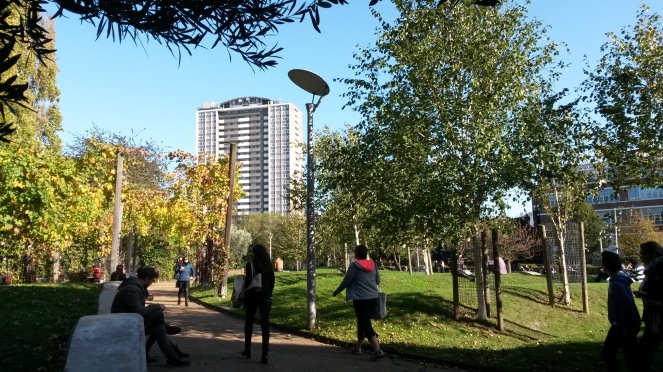
Situated just to the south of trendy Exmouth Market, Spa Fields in Clerkenwell is today a park that is enjoyed by locals and office workers alike, a rare green space in an area filled with offices, tower blocks and retail units. Only a couple of plaques installed by Islington Council give any indication of the area’s raucous and sometimes dark history.

20141027_124133

Continue reading “Among the rioters and resurrectionists: the turbulent history of Spa Fields”

17th Century · 19th Century · Stanmore

The ruin next door: exploring the Brick Church of St John the Evangelist, Stanmore

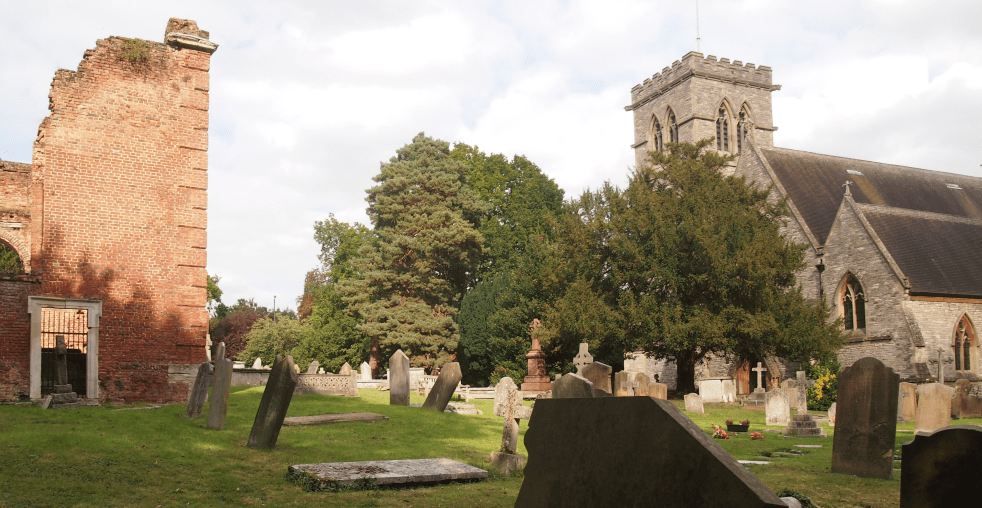
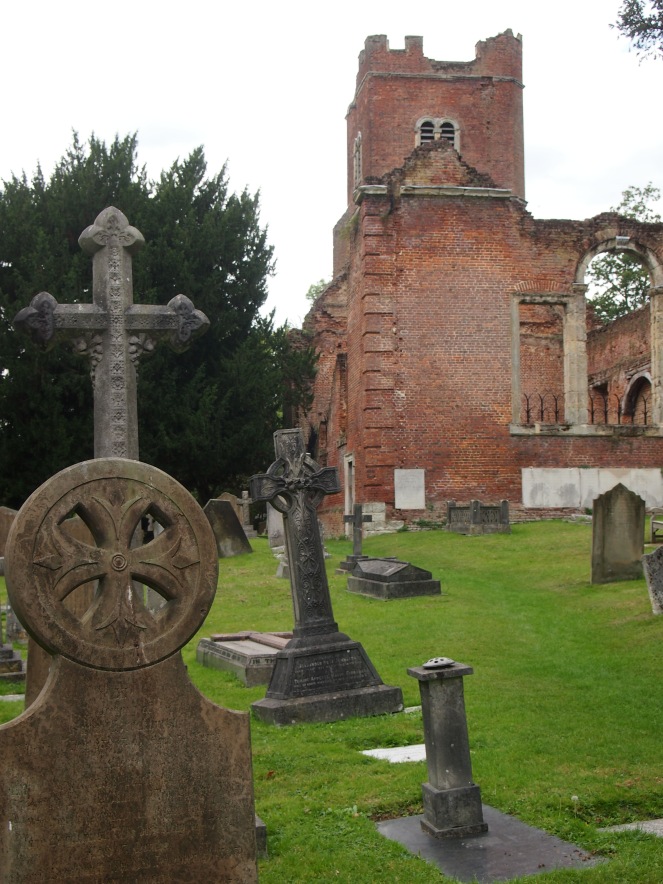
London is home to a number of ruined churches – in the City of London alone there are several, victims of the bombing raids of the Luftwaffe in the Second World War.  However, not all of the ruined churches of Greater London are victims of the Blitz.  In Stanmore, a comfortable suburb at the top of the Jubilee Line, another ruined church can be found alongside its Victorian successor.  The current parish church of St John the Evangelist was built in the mid-19th Century, but the picturesque ruins of the 17th Century church it replaced still survive in the church’s large burial ground.

The burial ground is a tranquil place, despite being close to a busy main road. Numerous squirrels darted in and out of the gravestones and a pair of magpies strutted around, while pigeons cooed softly, hidden from sight.  It was a humid September day when I visited, with shafts of sunlight shining through the clouds.  For an hour or so I had the place to myself, before the ruin was opened for the afternoon.
OLYMPUS DIGITAL CAMERA

Continue reading “The ruin next door: exploring the Brick Church of St John the Evangelist, Stanmore”

18th Century · 7th Century · Isle of Iona

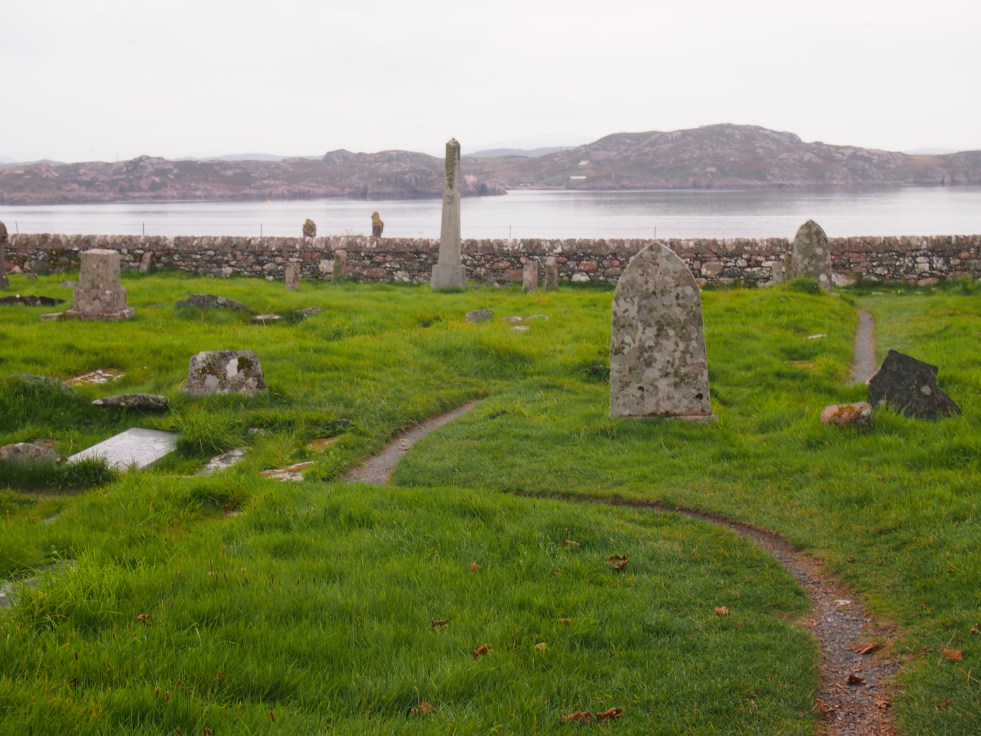
Rèilig Odhrain, the ancient cemetery on the edge of the world

Today, the tiny Scottish island of Iona is not the easiest of places to get to.  It’s a long drive across the Isle of Mull to Fionnphort from the main ferry link with the Scottish mainland at Craignure.  However, in the past Iona was the centre of Christianity in the region, as well as being a site of political significance.  Travelling by boat, it was easier to reach than its geographical isolation suggests.

I visited the island on a mild September day, after a long drive from the eastern coast of Mull.  The sea was clear and calm and made for a smooth passage on the short ferry trip from Fionnphort; later on a pod of dolphins could be seen in the Sound of Iona.  It is a peaceful place, with beaches of white sand and outcrops of pink granite.  Since the 7th Century it has been a place of pilgrimage, and it continues to welcome thousands of visitors every year.

OLYMPUS DIGITAL CAMERA

Continue reading “Rèilig Odhrain, the ancient cemetery on the edge of the world”

17th Century · 18th Century · Wandsworth

Mount Nod: the almost forgotten resting place of Wandsworth’s Huguenots

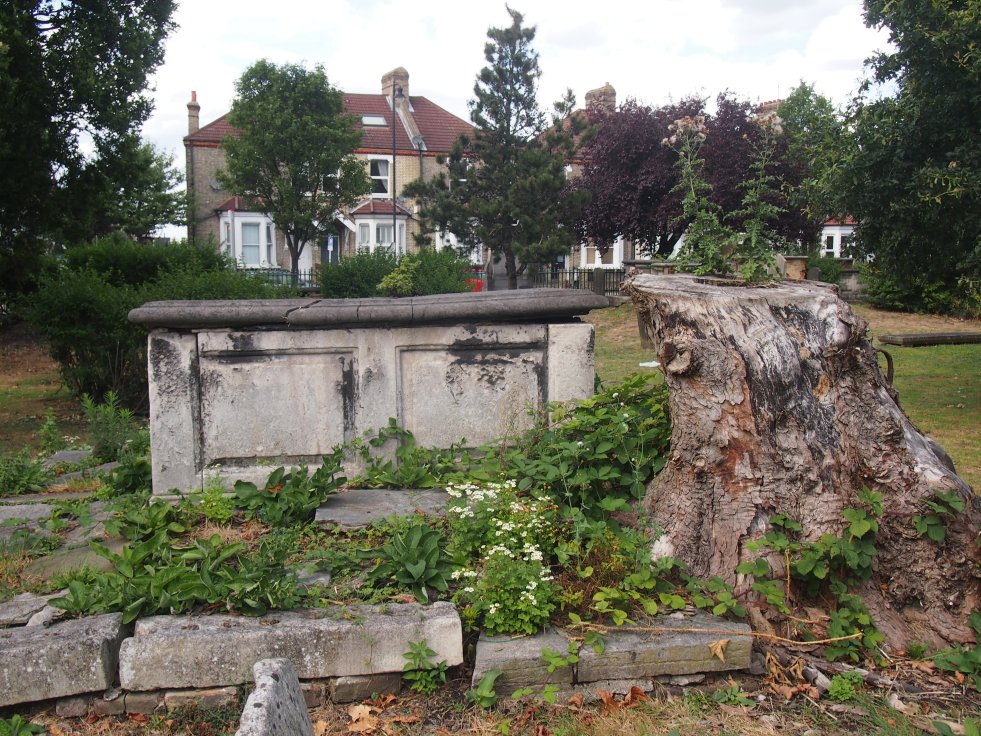
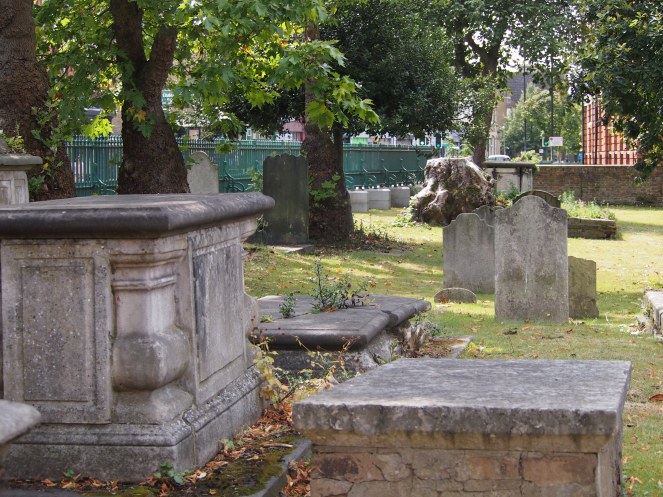
Marooned on an island between two busy stretches of road in south west London is a little known burial ground that tells a small part of the long and complex story of London’s immigrants.  The name of one of the adjoining streets gives away this connection: Huguenot Place.

OLYMPUS DIGITAL CAMERA

Continue reading “Mount Nod: the almost forgotten resting place of Wandsworth’s Huguenots”