18th Century · 19th Century · 20th Century · Calgary · Dervaig · Lochdon

Graves with a view: exploring the Isle of Mull’s picturesque burial grounds

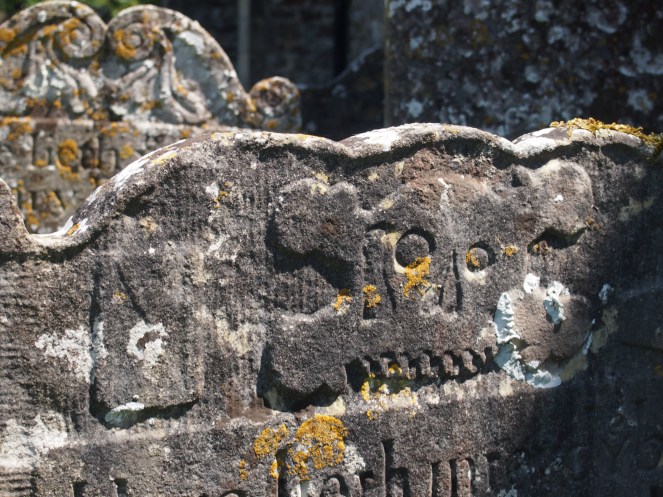
The beautiful landscape of the Isle of Mull is dotted with tiny burial grounds, each of them with their own stories to tell.  We’ve already visited Pennygown, with its ruined chapel and graves ranging from the medieval period to the present day.  Some of these cemeteries are close to settlements, others seemingly in the middle of nowhere.  They are all in stunningly beautiful locations.  The words and symbols preserved on the gravestones offer us a glimpse into the history of the island, and of the lives of the people who have lived and died there over the centuries.

OLYMPUS DIGITAL CAMERA

Continue reading “Graves with a view: exploring the Isle of Mull’s picturesque burial grounds”
18th Century · Ribchester

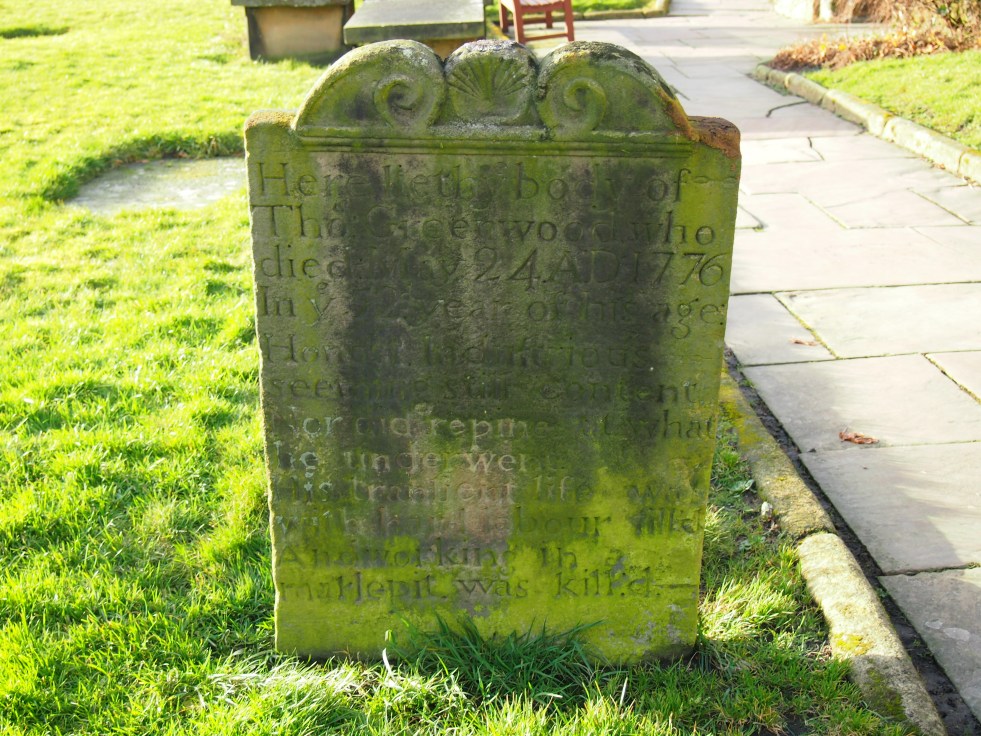
The lonesome grave of a travelling labourer

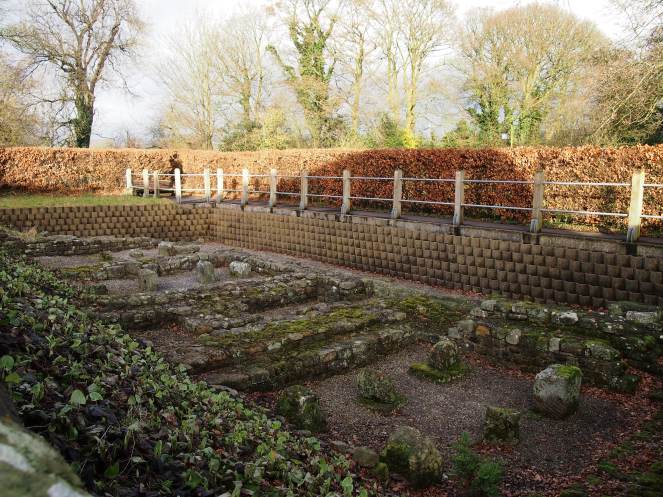
As a native of Lancashire, I always return to my hometown of Preston to visit my family at Christmas, and one bright Sunday morning I visited the nearby village of Ribchester, probably best known as an old Roman fort. I often visited this place as a child, as there was (and still is) an excellent children’s playground there. We would also inevitably visit the ruins of the Roman bath house, which were not fenced off and to a small child presented an exciting labyrinth of tumbled stones and low walls to clamber over. In Roman times, Ribchester was called Bremetenacum Veteranorum – a possible translation of this is “the hilltop settlement of the veterans.” Some ruins of the fort, including the bath house and granaries, can still be seen today, and many buildings in the village are built with reused Roman stones and columns.

OLYMPUS DIGITAL CAMERA
Ruins of Ribchester’s Roman granaries

Continue reading “The lonesome grave of a travelling labourer”

19th Century · 20th Century · Leytonstone

The stories behind the statues at St Patrick’s cemetery

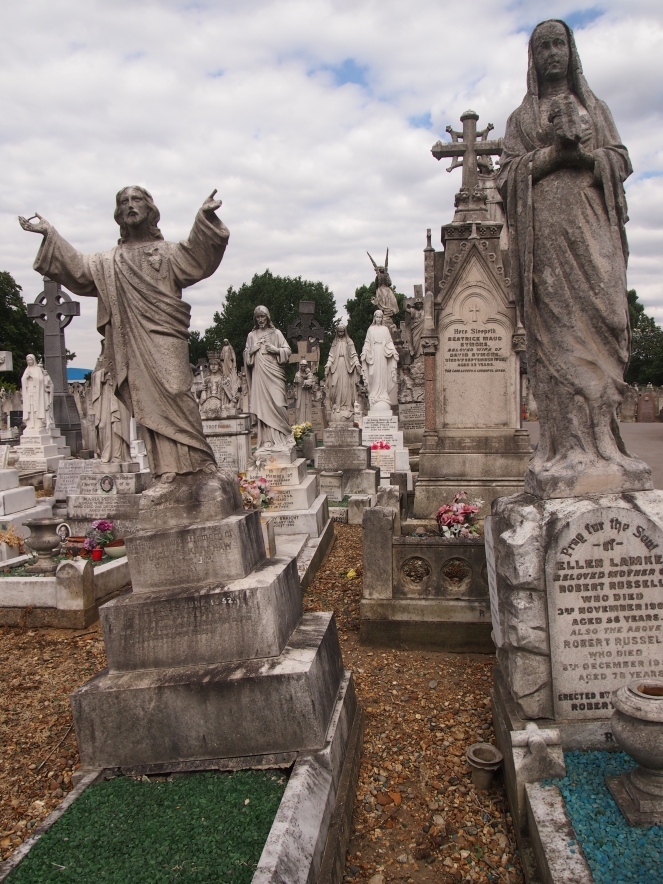
If you’ve ever travelled east of Stratford on the London Underground’s Central Line, you’ve probably seen the vast graveyard of St Patrick as the train clatters between Leyton and Leytonstone.  It is the final resting place of around 170,000 residents of East London.  On a pleasant Saturday afternoon, I explored this fascinating cemetery with my friend and fellow graveyard enthusiast Sharon and we discovered so many stories about the people buried there – stories of war, of love, of immigration, of the faith that united all of those buried at St Patrick’s.  Along with St Mary’s at Kensal Green, which Flickering Lamps visited earlier this year, St Patrick’s is one of only two cemeteries in London to cater exclusively to Catholics.

OLYMPUS DIGITAL CAMERA

Continue reading “The stories behind the statues at St Patrick’s cemetery”

19th Century · Isleworth

The centenarian in Brentford’s workhouse: piecing together the life of Mary Hicks

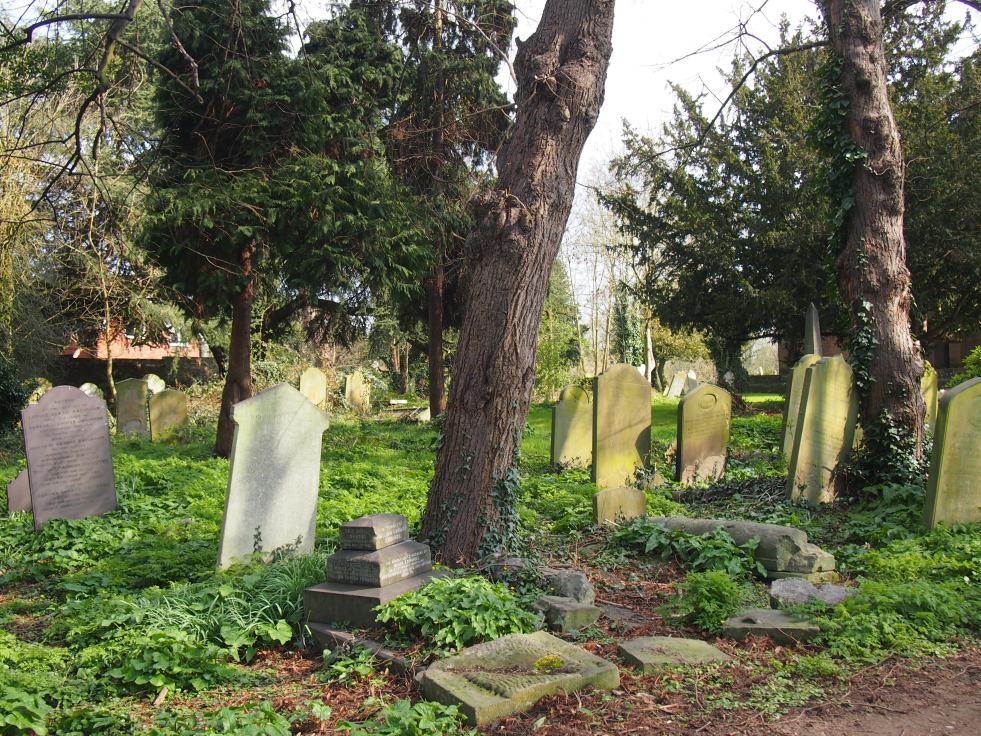
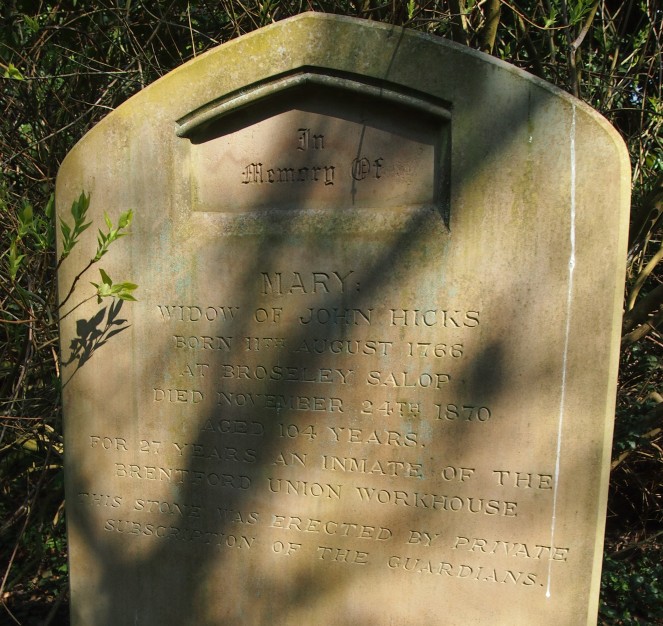
When I visited the churchyard of All Saints, Isleworth, earlier in the year, I’d gone in search of the plague pit there.  However, whilst exploring the burial ground, I also came across a headstone that commemorated a person who would probably have disappeared into an unmarked paupers’ grave were it not for the great age she lived to.  Mary Hicks, who died in 1870 at the grand old age of 104, spent the last twenty-seven years of her life as an inmate of the Brentford Workhouse.

OLYMPUS DIGITAL CAMERA

Continue reading “The centenarian in Brentford’s workhouse: piecing together the life of Mary Hicks”

14th Century · 17th Century · 18th Century · 20th Century · Lochdon

Duart Castle: the turbulent history of the ancestral home of Clan MacLean

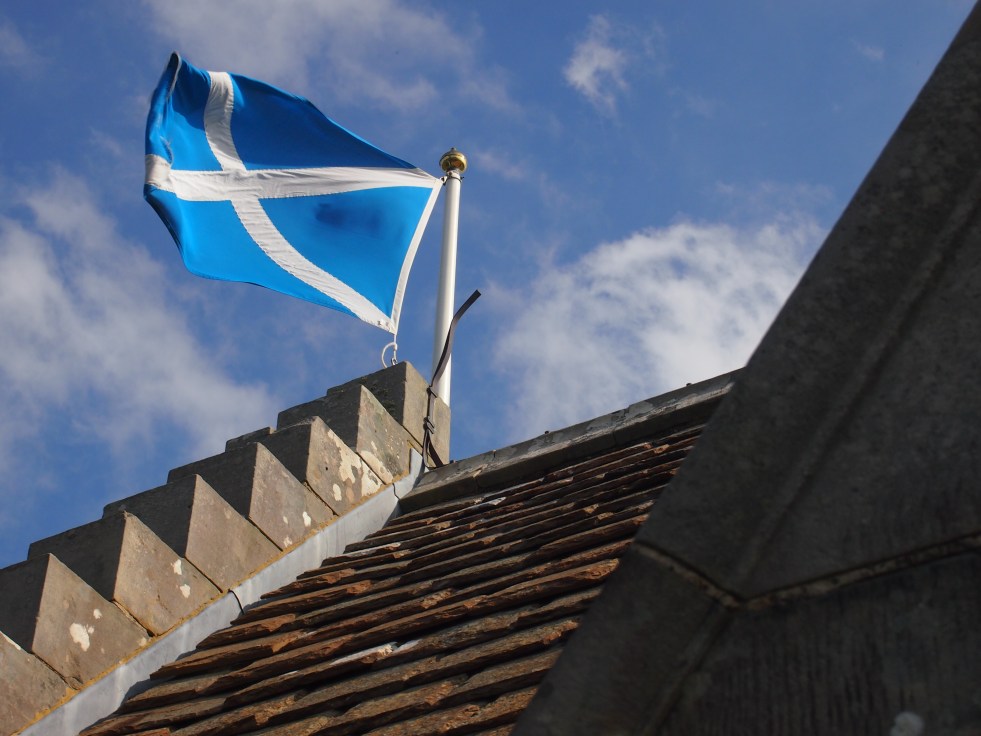
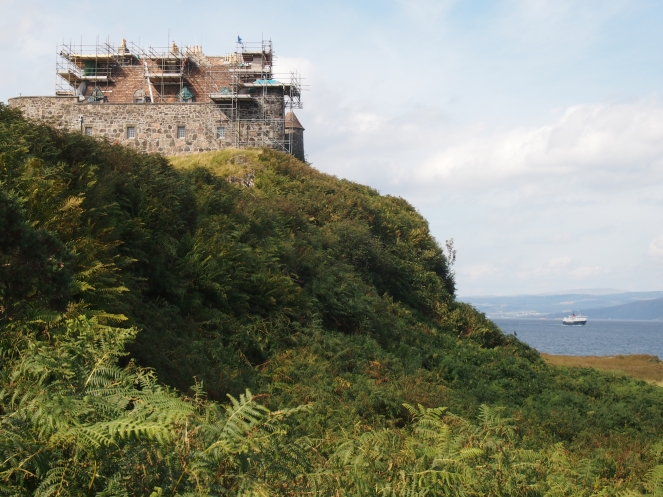
It’s impossible to miss Duart Castle.  It stands proudly on a spur of land reaching out into the Sound of Mull, and it’s a familiar sight to people who travel through those waters.  The powerful MacLean clan have controlled Duart Castle for much of its history, using the castle’s prominent location as a symbol of the clan’s power and prestige.  In common with other Scottish castles, Duart has a fascinating, turbulent and sometimes bloody history, from medieval clan wars to the Jacobite uprisings of the 18th Century.  Today, the Chief of Clan MacLean welcomes visitors from all over the world to his family seat, so that they can learn about the history of the castle and the clan that made it their home.

OLYMPUS DIGITAL CAMERA

Continue reading “Duart Castle: the turbulent history of the ancestral home of Clan MacLean”

17th Century · Lambeth

The spectacular Tradescant tomb: “a world of wonders in one closet shut”

Tucked away in a pretty garden that was once an old churchyard near the River Thames is an extraordinary, richly-carved tomb.  Decorated with exotic scenes and creatures, it marks the resting place of members of the Tradescant family, who made a name for themselves in the 17th Century collecting plants and other curiosities from all over the world.

OLYMPUS DIGITAL CAMERA

Continue reading “The spectacular Tradescant tomb: “a world of wonders in one closet shut””

13th Century · New Romney

New Romney: a thriving medieval port devastated by a storm

It’s easy to look at a map of the British Isles and assume that the outline of land that’s so familiar to us has been that way for millennia.  However, the coastline – particularly in the east – has changed dramatically over the centuries, partly due to human intervention (such as the draining of marshy areas) and partly due to the forces of nature.  Often, these changes are quite gradual and happen over many years (for example, towns on the Norfolk coast that have been gradually disappearing into the sea over many decades and centuries), but sometimes, a storm or other natural disaster could change the fortunes of coastal towns overnight.  New Romney in Kent is one of these places.  Once a thriving and important port, a terrible storm in 1287 cut off the town’s lifeline.

OLYMPUS DIGITAL CAMERA

Continue reading “New Romney: a thriving medieval port devastated by a storm”

19th Century · Highgate

The Victorian splendour of Highgate’s Western Cemetery

Highgate is London’s famous cemetery – it’s the one that most people think of first when Victorian cemeteries are mentioned and it’s the most well known of the “Magnificent Seven” cemeteries that date from the early Victorian period.  Its location on a hillside overlooking the towers of central London draws thousands of visitors, and the overgrown western cemetery has inspired quite a few chilling tales over the years.  Although it retains the glamour and prestige it commanded in its heyday, Highgate looks quite different now compared to its Victorian beginnings.  Despite the many years of neglect (now being remedied by the Friends of Highgate Cemetery), this wonderful burial ground is still one of the finest locations of Victorian funerary architecture in Britain.

OLYMPUS DIGITAL CAMERA

Continue reading “The Victorian splendour of Highgate’s Western Cemetery”

18th Century · Woodplumpton

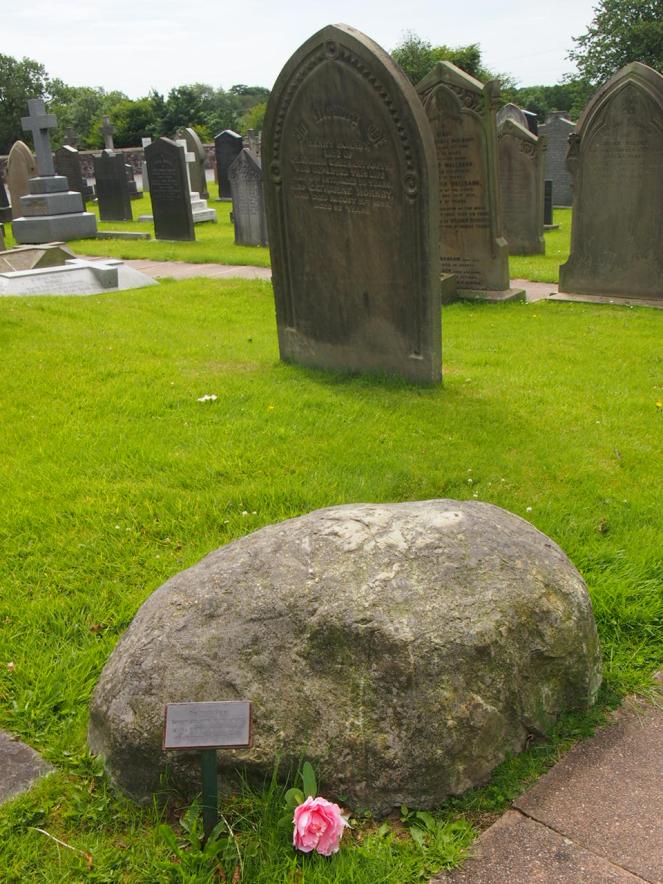
Buried under a boulder: the grave of a Lancashire “witch”

In a pretty churchyard in Woodplumpton, a village not far from Preston in Lancashire, is a mysterious old grave with many dark tales attached to it.  A large boulder – terribly out of place among smart Victorian and Edwardian headstones – is said to cover the grave of a witch.

OLYMPUS DIGITAL CAMERA

Continue reading “Buried under a boulder: the grave of a Lancashire “witch””

17th Century · City of London

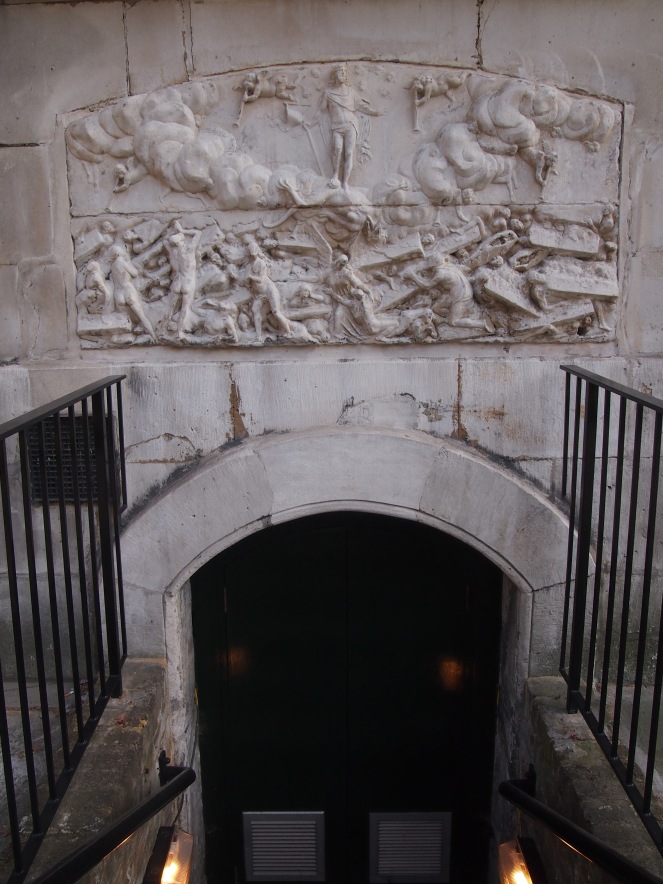
Deciphering a spectacular resurrection stone at St Andrew, Holborn

Over a doorway on one of the City of London’s many Wren churches is something really quite special.  A large but intricate carving depicts the Last Day – the figure of Christ presides over the dead, who are rising up from their coffins in preparation for the final judgement.

OLYMPUS DIGITAL CAMERA

Continue reading “Deciphering a spectacular resurrection stone at St Andrew, Holborn”